Why Sewer Repair Methods Matter
Selecting the appropriate plumbing solution is essential for minimizing disruption while controlling expenses. Property owners must evaluate multiple considerations when deciding between no-dig versus conventional sewer repair approaches.
Compare the two methods for your own project: use the interactive sewer line replacement cost calculator above — enter your line length and switch between trenchless and open trench to see the cost difference instantly.
Factors Determining Sewer Repair Methods
Dense Urban Environment
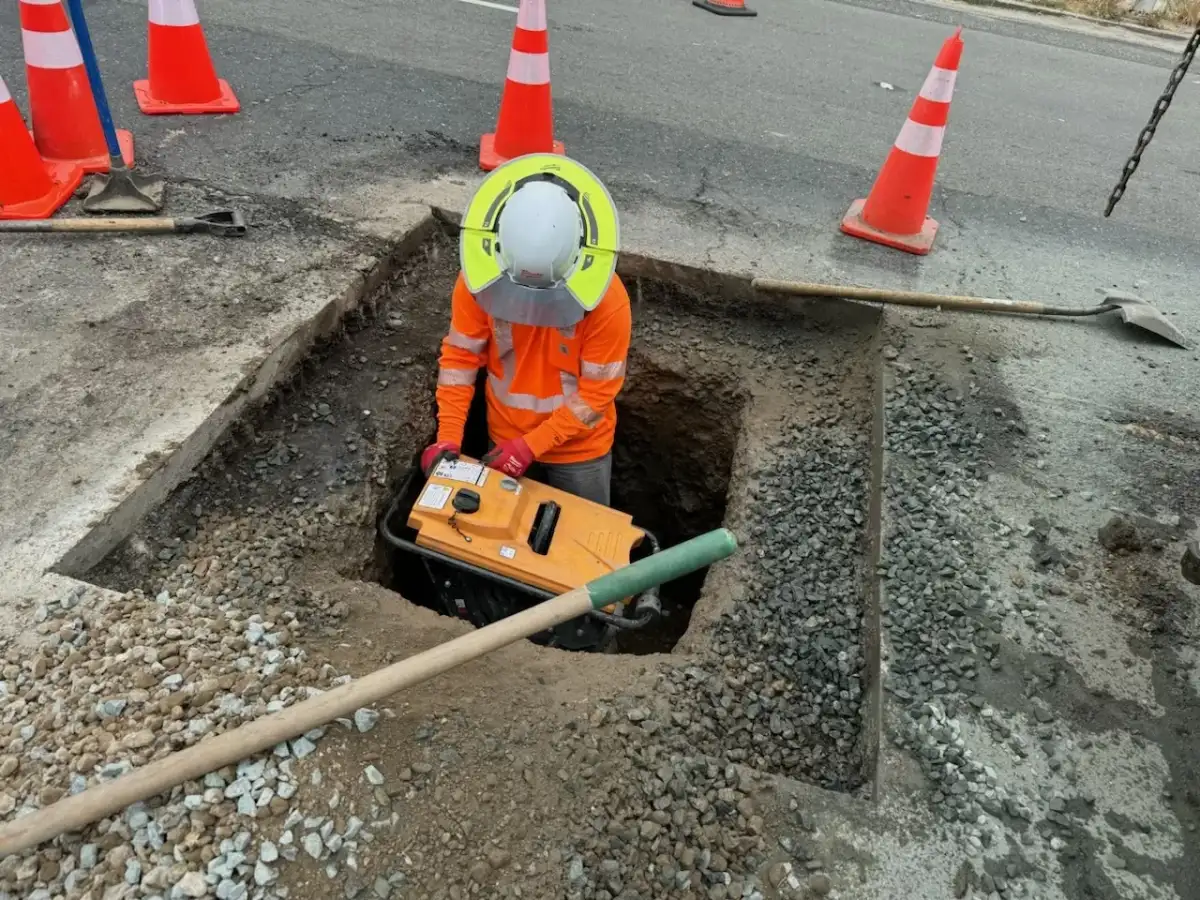
The Bay Area contains numerous metropolitan centers with limited space and extensive concrete infrastructure. Dense development makes traditional excavation disruptive and expensive, as plumbers must navigate adjacent utility lines while managing trench refilling and restoration costs.
Aging Infrastructure
“The Bay Area is a hub for 20th-century buildings” with deteriorated sewer systems. Structural compromise from corrosion and wear may collapse under no-dig techniques, making complete replacement necessary.
Damage Degree
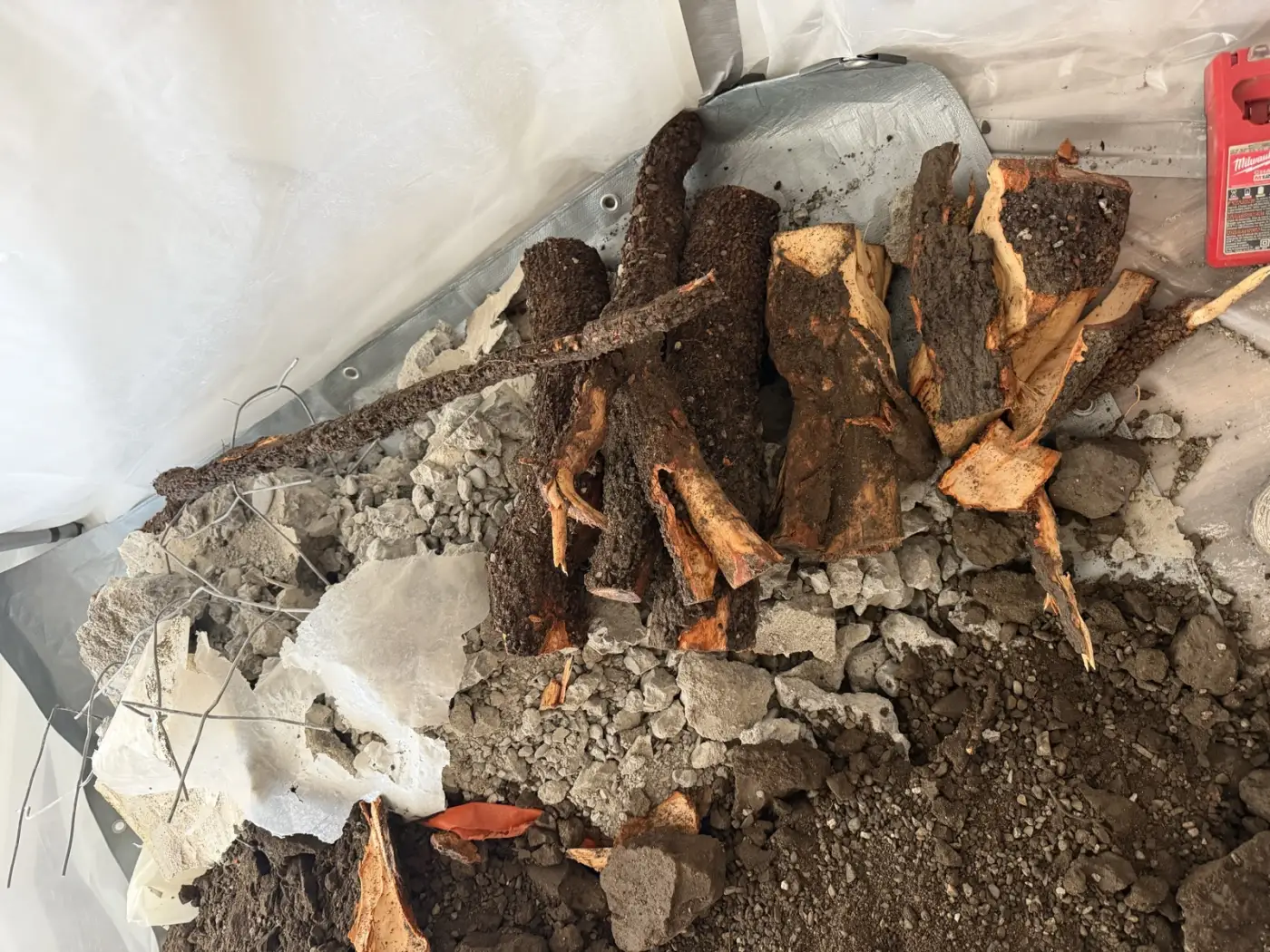
Minor issues like buildup or backflows respond well to trenchless solutions, while severe root invasion or pipe bursts typically require traditional methods.
Accessibility
Access points determine feasibility; traditional approaches work when underground lines lack entry points.
Trenchless Sewer Repair Benefits
- Environmentally Friendly: Minimal excavation eliminates chemical use and ground disturbance
- Minimal Disruption: Reduces risks to utilities and surrounding infrastructure
- Cost Effectiveness: Quick completion reduces labor costs and eliminates restoration expenses
- Quick Completion: Requires only access points, avoiding lengthy trenching processes
Traditional Sewer Repair Overview
Advantages
- Comprehensive solutions for extensive damage
- Cost-effective for complete line replacement
Disadvantages
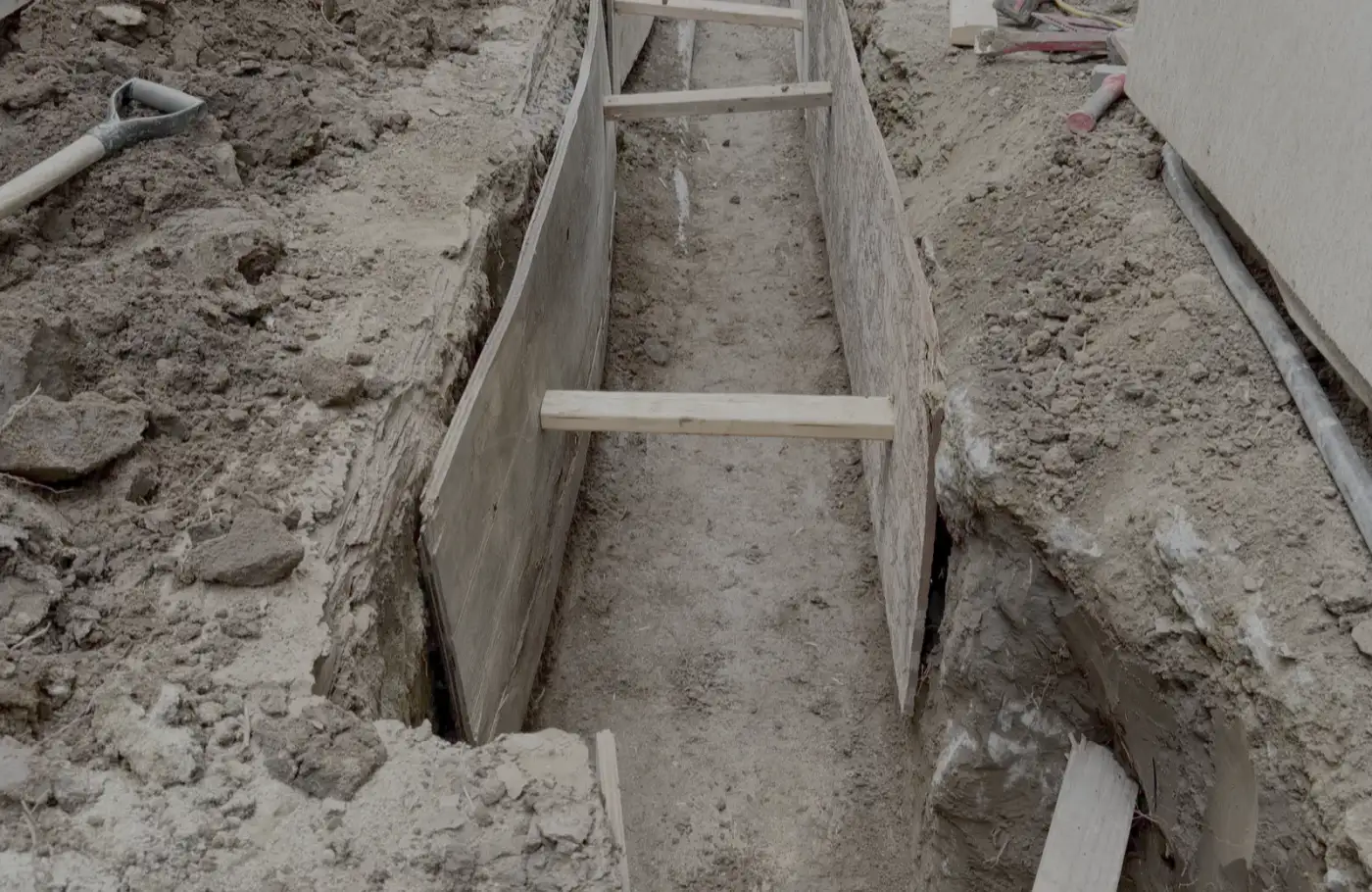
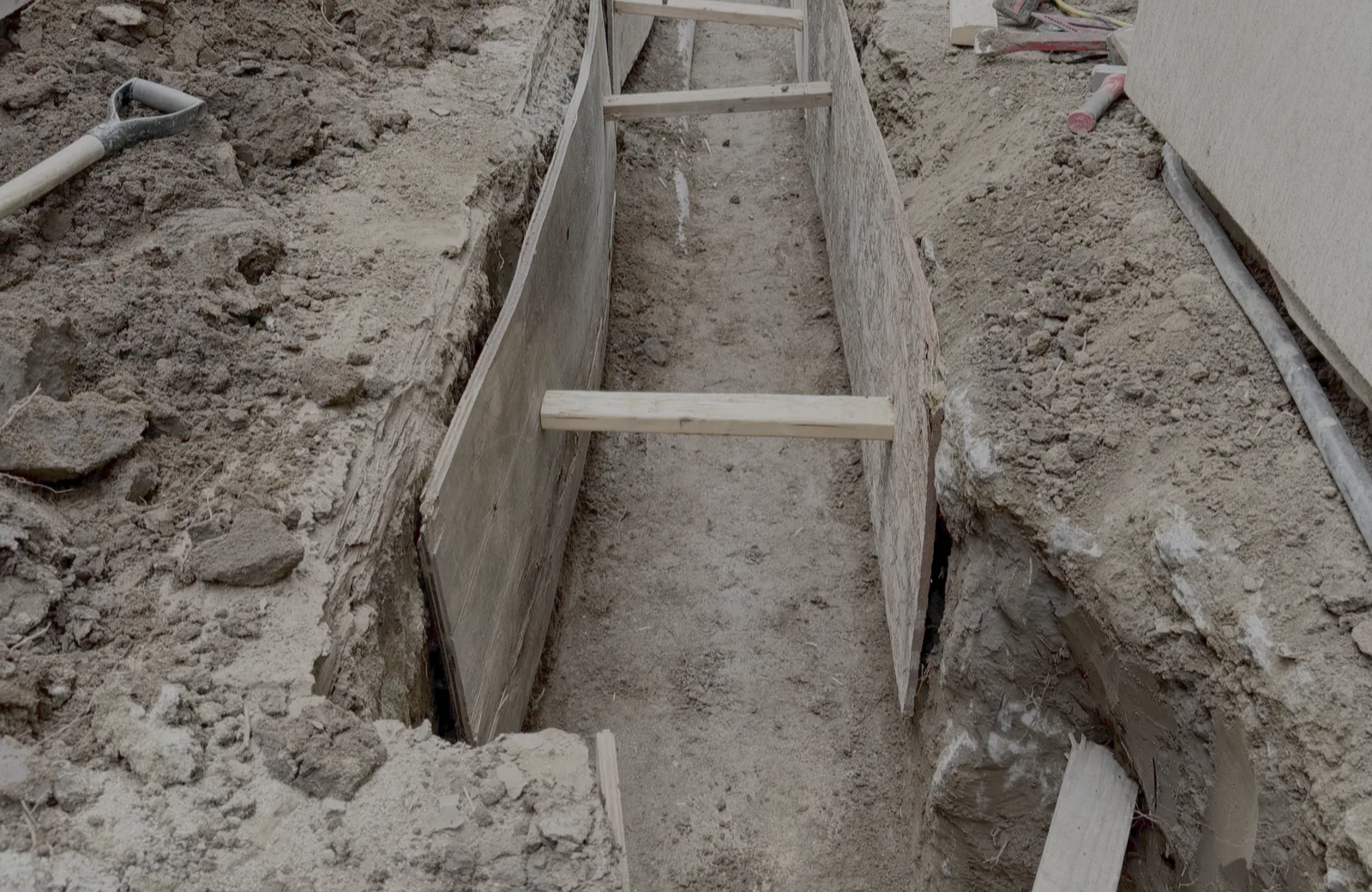
- Time-consuming excavation requirements
- Additional expenses from digging and landscaping
- Higher labor intensity increases costs
Cost Comparison
There is no standard per linear foot price for this work, because the cost is set by conditions rather than by a rate card: pipe size and footage, sewer depth, whether the surface above is asphalt, concrete or dirt, traffic control, public right of way requirements, permits and inspections, existing utilities in the way, and the excavation, disposal, backfill and restoration each job needs.
Total UC’s minimum for a smaller project is approximately $4,500, depending on scope, location, access and mobilization requirements. Permits, traffic control, mobilization and surface restoration are quoted as project specific costs rather than folded into a single rate.
Trenchless typically costs less per project because there is far less excavation and far less to restore, though open trench can be the more economical choice on large scale replacements.
When to Choose Each Method
Professional assessment determines optimal solutions. Traditional techniques suit extensive damage scenarios, while trenchless repairs excel in space-constrained urban settings.
FAQs
Timeline for trenchless repair?
“Hours to a day,” contrasting sharply with traditional methods.
Durability comparison?
Modern HDPE pipe offers durability comparable to conventionally installed lines. Total UC replaces pipe rather than lining it, so we do not offer epoxy or CIPP lining systems.
Best for urban areas?
Trenchless solutions minimize disruption in space-constrained environments.