
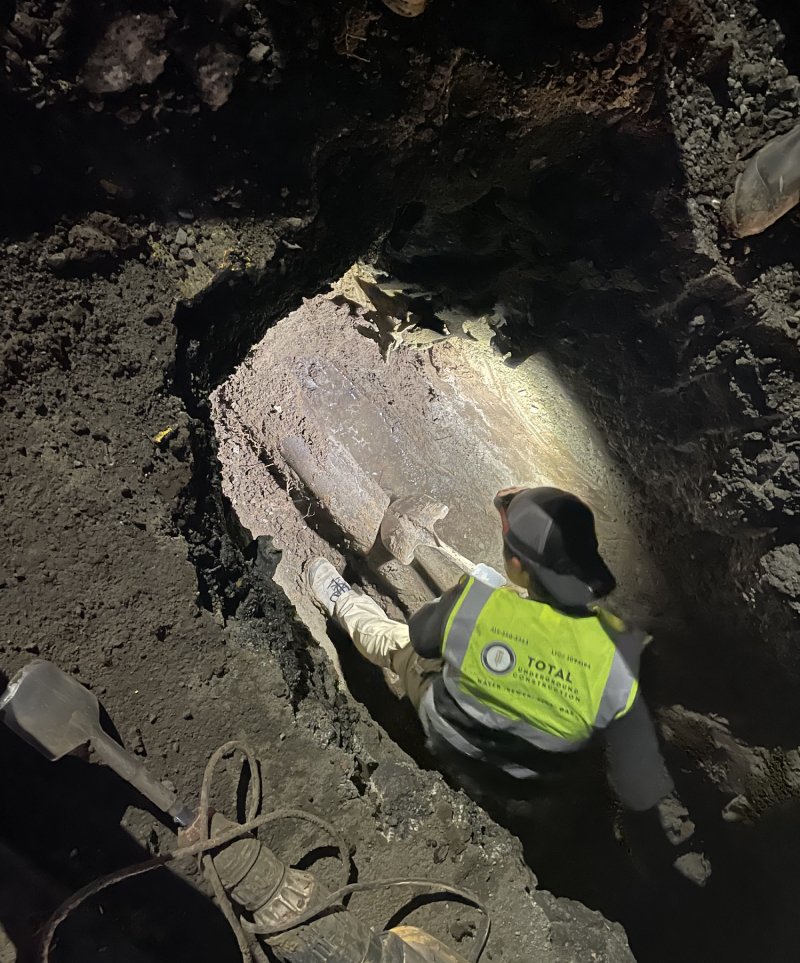
"They installed a 100 foot pipe, 15 feet down with a 45 degree turn. It was an incredibly huge job. The job was done professionally, fast, efficiently and successfully. Joe and Orlando were professional, helpful and always there to answer my questions."
Licensed & Insured — LIC # 1094194 A – General Engineering
PG&E Gas Line Inspection Services
PG&E-qualified gas line inspection and OQ-certified technicians serving the Bay Area.
Licensed & insured — LIC # 1094194 A – General Engineering
24/7 emergency response
Free estimates with transparent pricing
15+ years of experience
Free Estimate
Request a Service
Describe your project and we'll get back to you within 24 hours.
Gas line safety is not something to take chances with. Total UC provides PG&E-qualified gas line inspection services throughout the Bay Area, performed by Operator Qualification (OQ)-certified technicians who understand the regulations and infrastructure standards that govern Bay Area gas systems. Whether you're a homeowner, property manager, or commercial operator, our licensed team (LIC # 1094194) ensures your gas lines are safe, code-compliant, and functioning efficiently.
Gas Line Inspection Services We Provide
Our gas line inspection services include visual inspection of exposed gas piping and connections, pressure testing and leak detection, corrosion and damage assessment for underground lines, meter and regulator evaluation, compliance review against PG&E and California state standards, and detailed reporting with recommendations for repair or replacement. We work directly with PG&E and local utilities to coordinate necessary work and permitting.
OQ-Certified Gas Line Inspectors Serving the Bay Area
Serving San Francisco, Oakland, San Leandro, Hayward, San Mateo, and surrounding Bay Area communities, Total UC brings the qualifications and experience to handle gas line inspections for residential properties, commercial buildings, and large industrial facilities. Call 415-350-3363 to schedule a gas line inspection or request a safety assessment.
Understanding the PG&E Gas Line Inspection Process
A PG&E gas line inspection is a systematic evaluation of the gas piping, connections, and components on your property. In the Bay Area, where aging infrastructure, seismic activity, and soil conditions can accelerate gas line deterioration, regular inspections are one of the most important steps you can take to protect your property and the people inside it. Total UC's OQ-certified technicians follow a detailed, multi-step process designed to identify every potential issue before it becomes a safety hazard.
If you are a homeowner with a pre-1990 Bay Area home, a property manager responsible for tenant safety across multiple units, or a buyer doing due diligence on a property with older gas infrastructure, this inspection is for you. The Bay Area sits on active faults, including the Hayward Fault, which runs through the East Bay. Ground movement loosens threaded joints, shifts buried piping, and can create small leaks that are undetectable by smell alone. A professional inspection catches these issues before they become safety hazards.
Step 1: Visual Inspection of Exposed Gas Piping
The inspection begins with a thorough visual assessment of all accessible gas piping, including lines running to furnaces, water heaters, stoves, dryers, and any outdoor appliances such as pool heaters or barbecue hookups. Our technicians check for signs of corrosion, improper fittings, damaged supports, and code violations. We also verify that all gas appliance connectors are approved, flexible connectors and not the older uncoated brass type that was recalled due to failure risk.
Step 2: Electronic Leak Detection
Using combustible gas detectors and electronic sniffers, we test every joint, valve, connection, and fitting in the gas system. Even small leaks that produce no detectable odor can be identified with this equipment. Gas leaks — even minor ones — waste energy, increase your utility bills, and present a cumulative safety risk over time.
Step 3: Pressure Testing
We perform a static pressure test on the gas system to confirm it holds pressure without loss. This test reveals leaks in underground or concealed piping that cannot be reached with electronic detectors. Pressure testing is particularly important for properties with buried gas lines running beneath driveways, patios, or landscaping — common in Bay Area residential construction.
Step 4: Meter and Regulator Evaluation
Your gas meter and pressure regulator are the control points for your entire gas supply. We inspect the meter for damage, corrosion, and proper venting, and verify that the regulator is delivering gas at the correct pressure for your appliances. A malfunctioning regulator can deliver too much pressure (creating a fire or explosion risk) or too little (causing incomplete combustion and carbon monoxide production).
Step 5: Reporting and Recommendations
After the inspection, you receive a detailed written report documenting the condition of your gas lines, any issues found, and prioritized recommendations for repair or replacement. If immediate gas line repair is needed, we provide a transparent estimate on the spot. For non-urgent findings, we outline a timeline and cost range so you can plan ahead.
When to Schedule a Gas Line Inspection
Bay Area soils cycle between a wet winter and a long dry season. That cycle of soil saturation and contraction puts direct stress on buried gas piping — especially the older steel and iron lines found under homes built before the 1980s.
Several factors affect when to have your gas lines inspected:
- Seismic activity: The East Bay sits on the Hayward Fault. Even if you did not feel a quake, minor ground shifts can loosen threaded joints and stress buried connections.
- Soil transition: In spring, the ground shifts from its winter-saturated state to drier summer conditions. This contraction phase pulls soil away from buried pipes, reducing support and potentially opening gaps at joints.
- PG&E's Greenbook: PG&E periodically updates its Greenbook, the service requirements guide for gas and electric installations. An inspection before your next remodel, appliance replacement, or property transaction helps confirm any needed upgrades align with current standards.
- Favorable scheduling: Emergency calls spike during winter heating season and after major seismic events. Scheduling a routine inspection outside those peaks means shorter wait times and more flexibility.
Common Issues Found During Bay Area Gas Line Inspections
Bay Area properties present unique challenges for gas line integrity. The combination of older construction, diverse soil types, seismic activity, and decades of utility system expansion means that gas line problems are more common than many homeowners realize. During inspections across San Leandro, Oakland, Hayward, San Mateo, and surrounding communities, our technicians frequently identify the following issues:
- Corroded underground gas piping — Especially in properties built before the 1980s with uncoated steel or iron gas lines buried in corrosive Bay Area clay soils.
- Improper connections and fittings — DIY gas line work or unlicensed installations that do not meet current California Plumbing Code or PG&E standards.
- Outdated flexible connectors — Older uncoated brass connectors that are prone to cracking and have been recalled by the CPSC.
- Leaking threaded joints — Pipe thread sealant breaks down over time, especially at joints subject to vibration or thermal cycling.
- Insufficient gas line sizing — Lines that were adequate for the original appliance load but undersized after remodels added new gas appliances.
- Earthquake damage to buried lines — Shifted or cracked underground piping caused by ground settlement or seismic events.
- Tree root interference — Roots growing around or against buried gas piping, creating pressure points that lead to cracks over time.
- Missing or non-functional gas shutoff valves — Valves that are seized, inaccessible, or missing entirely, which is a significant safety code violation.
Many of these issues are invisible from the surface. Homeowners often tell us they had no idea there was a problem until our inspection uncovered corroded joints, loose fittings, or gas escaping at levels below what the nose can detect. That is precisely why routine inspections exist — they find the problems you cannot see, hear, or smell before those problems become emergencies.
The Hidden Costs of Skipping a Gas Line Inspection
Many homeowners put off gas line inspections because nothing seems wrong. But the costs of an undetected gas line issue extend well beyond the repair itself:
- Wasted energy: Even small gas leaks increase your PG&E bill month after month. A leak losing just 1 cubic foot per hour costs roughly $50-$100 per year in wasted gas — and many leaks are larger.
- Safety liability: Gas leaks are the leading cause of residential explosions in California. Property managers with multi-unit buildings face particular liability exposure if a gas incident injures a tenant and routine inspections were not performed.
- Transaction delays: Buyers increasingly request gas line inspections during due diligence. Discovering a problem during escrow — when you are under time pressure — limits your repair options and negotiating position. A proactive inspection with a clean report on file eliminates this risk.
- Code violations: Outdated connectors, missing shutoff valves, or undersized piping discovered during a building permit inspection can halt your renovation project and require expensive remediation before work can continue.
A routine inspection costs $150-$400 and takes 1-2 hours. The problems it catches can cost thousands — or, in the worst case, cause irreversible harm. The math is straightforward.
PG&E Compliance Requirements and Bay Area Gas Regulations
Gas line systems in PG&E's service territory must comply with a layered set of regulations enforced at the state, utility, and local levels. Understanding these requirements is critical for homeowners and property managers in the Bay Area — failure to comply can result in service disconnection, fines, or liability in the event of an accident.
- California Public Utilities Commission (CPUC) General Order 112-F — Sets construction, testing, and maintenance standards for gas transmission and distribution systems throughout the state.
- California Plumbing Code (Title 24, Part 5) — Governs the installation and modification of gas piping within buildings, including pipe sizing, materials, support, and testing requirements.
- PG&E Gas Service Requirements — PG&E maintains specific standards for the connection between their system and your private gas piping, including meter set assembly specifications and approved pipe materials.
- Local building department requirements — Cities like San Leandro, Oakland, and Hayward may impose additional permitting and inspection requirements for gas line work. Total UC handles all local permit coordination.
- Operator Qualification (OQ) rules — Federal pipeline safety regulations under 49 CFR Part 192 require that technicians performing covered gas pipeline tasks hold current OQ certification. Total UC maintains active OQ credentials on file: OQ 02-15 (Installation of Pipe, Backfill, Compacting) and OQ-0507 (Damage Prevention During Excavation), plus the PG&E Applicant Installer assessment. See our PG&E qualifications and OQ numbers.
When you hire Total UC for a PG&E gas line inspection, you are working with a team that understands these overlapping requirements and ensures your property's gas system meets every applicable standard.
Emergency vs. Routine Gas Line Inspections
Not all gas line inspections are the same. Understanding the difference between a routine maintenance inspection and an emergency response can help you make the right call when a problem arises.
Routine Gas Line Inspections
A routine inspection is a proactive, scheduled assessment of your gas system. It is recommended every 3 to 5 years for residential properties and annually for commercial and industrial buildings. Routine inspections are ideal when purchasing a property, after a major remodel, before selling a home, or as part of a property management maintenance program. Total UC offers flexible scheduling for routine inspections, including same-week availability for most Bay Area locations.
Emergency Gas Line Inspections
An emergency inspection is warranted when there is an immediate safety concern: the smell of natural gas (rotten eggs/sulfur), a hissing sound near gas piping, a gas appliance that will not ignite properly, visible damage to a gas line from construction or impact, or following an earthquake. If you suspect a gas leak, leave the building immediately, do not operate light switches or electronics, and call 911. Then call Total UC at 415-350-3363 — we provide 24/7 emergency gas line inspection and repair services throughout the Bay Area. For more on responding to a gas emergency, see our guide on how to handle a gas line emergency.
Gas Leak Warning Signs Every Bay Area Homeowner Should Know
Natural gas is odorless in its raw form, but PG&E adds mercaptan — a chemical that smells like rotten eggs or sulfur — so that leaks can be detected by smell. However, not all leaks produce a noticeable odor, especially small leaks or leaks in underground piping. Watch for these additional warning signs:
- Dead or dying vegetation in an otherwise healthy yard, particularly in a line pattern that follows the path of a buried gas line.
- Bubbling in standing water — puddles, ponds, or wet soil that appears to bubble near where gas lines are buried.
- A white cloud or dust blowing from the ground, which can indicate gas escaping from a cracked underground line.
- Unusually high gas bills without a corresponding increase in gas usage.
- Hissing, whistling, or roaring sounds near gas pipes, appliances, or the gas meter.
- Physical symptoms — headaches, dizziness, nausea, or fatigue when inside the building, which may indicate a gas leak reducing oxygen levels or producing carbon monoxide from incomplete combustion.
If you notice any of these signs, do not ignore them. Even small gas leaks can escalate. Learn more about identifying and responding to leaks in our detailed article on how to repair a gas leak.
Who Needs a PG&E Gas Line Inspection?
Gas line inspections are not only for properties with obvious problems. Many Bay Area property owners benefit from proactive inspections in situations they may not have considered:
- Homebuyers — A gas line inspection should be part of your due diligence before closing, especially on homes built before 1990 with older gas piping materials.
- Home sellers — A clean inspection report reassures buyers and prevents last-minute negotiation surprises.
- Property managers — Multi-unit residential and commercial properties carry increased liability and should be inspected annually.
- After a remodel or addition — Any time new gas appliances are added or gas lines are extended, an inspection verifies the work was done to code.
- Following an earthquake — The Bay Area sits on multiple active fault lines. Even moderate earthquakes can shift underground gas piping and loosen connections.
- Older homes with original gas piping — Properties in San Leandro, Oakland, and surrounding cities built in the 1950s through 1970s often have galvanized steel or iron gas lines nearing the end of their service life.
- After nearby construction or excavation — Trenching, grading, or foundation work on an adjacent property can disturb or damage your buried gas lines.
Which Situation Sounds Like Yours?
Different property owners come to gas line inspections for different reasons. See which scenario matches your situation.
"I smell gas occasionally near my water heater or stove, but it goes away."
Intermittent gas odors are not normal and should never be dismissed. They often indicate a slow leak at a threaded joint or appliance connector that releases gas under certain pressure or temperature conditions. These leaks can worsen over time or accumulate in enclosed spaces. A professional inspection with electronic detection equipment can identify leaks too small for the nose to catch consistently. Do not wait for the smell to become constant — schedule an inspection now.
"I am buying a home built in the 1960s and want to know the condition of the gas lines."
You are making the right call. Homes from the 1950s through 1970s across San Leandro, Oakland, and Hayward typically have galvanized steel or iron gas piping that is 50-70 years old. A pre-purchase gas line inspection can reveal corroded piping, outdated connectors, missing shutoff valves, and other issues that vary widely in cost to address depending on scope and access. Knowing this before you close gives you negotiating leverage or the ability to walk away from a property with hidden infrastructure problems.
"I manage several rental units and want to make sure we are meeting safety requirements."
Property managers carry significant liability for tenant safety, and gas systems are one of the highest-risk areas. Annual gas line inspections across your portfolio give you documented proof of diligence, catch problems before they become emergencies, and help you budget for needed repairs proactively rather than reactively. Total UC provides multi-property inspection scheduling and volume pricing for property management companies.
"We just had an earthquake and I want to make sure nothing shifted."
This concern is well founded. Seismic events — even moderate ones — can loosen threaded joints, crack buried piping, and shift connections enough to create leaks. A post-earthquake gas line inspection is one of the most important safety steps you can take. If you are anywhere in the East Bay, schedule an inspection now rather than waiting for symptoms to appear.
Your Next Steps
Here is what to do depending on your situation:
- If you smell gas or suspect an active leak: Leave the building immediately, do not operate switches or electronics, call 911, then call Total UC at 415-350-3363 for emergency response.
- If you want a routine inspection: Call Total UC or request a free estimate online. We offer same-week scheduling for most Bay Area locations. A routine inspection takes 1-2 hours and gives you a clear picture of your gas system's condition.
- If you are buying or selling a property: Schedule a gas line inspection as part of your transaction timeline. We provide written reports suitable for real estate transactions and can expedite scheduling for time-sensitive deals.
- If you are a property manager: Contact us about multi-property inspection scheduling. Annual inspections keep your portfolio safe, compliant, and documented.
Do not wait for symptoms. Seismic activity, seasonal soil movement, and PG&E's service requirements all point to the value of verifying your gas system's integrity before a small leak becomes a safety hazard.
What to Expect: Outcomes of a Professional Gas Line Inspection
Immediate Outcomes
You receive a clear, written report on the condition of every component of your gas system. If everything passes, you have documented proof of safety for your records, your insurance, or a real estate transaction. If issues are found, you have a prioritized list of repairs with transparent cost estimates — and in many cases, Total UC can perform the repair the same day.
Long-Term Outcomes
Regular gas line inspections prevent the slow accumulation of risk that leads to emergencies. Corroded piping caught early is a planned repair, not a middle-of-the-night emergency. A leaking joint found during routine inspection is a contained repair, not a gas-related incident that shuts down your property and triggers regulatory scrutiny. For property managers, documented inspections reduce liability exposure and support insurance renewals. For homeowners, they provide peace of mind that your family is safe and your property is protected.
Why Choose Total UC for PG&E Gas Line Inspection in the Bay Area
Total UC is not a general handyman service or a plumbing company that does gas work on the side. Underground construction and utility infrastructure are our core expertise. When you hire Total UC for a PG&E gas line inspection, you get:
- OQ-certified technicians — Every gas technician on our team holds current Operator Qualification certification as required by federal pipeline safety regulations.
- Licensed and insured — California Contractor License # 1094194, with full general liability and workers' compensation coverage.
- 15+ years of Bay Area experience — We know the local soil conditions, building construction styles, and utility infrastructure specific to San Leandro, Oakland, Hayward, San Mateo, San Francisco, and surrounding communities.
- Complete service capability — If we find a problem during inspection, we can perform the gas line repair or replacement immediately. No need to hire a second contractor.
- Transparent pricing — Free estimates, upfront costs, and no hidden fees. You approve all work before we start.
- 24/7 emergency availability — Gas emergencies do not wait for business hours. Neither do we.
Call Total UC at 415-350-3363 to schedule a PG&E gas line inspection, request a free estimate, or get immediate emergency assistance anywhere in the Bay Area.
PG&E Applicant Installer Qualified Current OQ credentials on file: OQ 02-15 & OQ-0507
Customer Reviews
What Our Clients Say
Trusted by homeowners, developers, and municipalities across the Bay Area.
"I failed an inspection required by City of San Mateo's lateral sewer line ordinance. Joe gave me a quote with a few contingencies for what he could not see until excavating, and the contingent items were not necessary, so the quote held. Permits and all phases were perfectly sequenced, and we passed inspection."
"An excellent experience working with Joe on my water service, city side upgrade. He went above and beyond to push the project through, even as the city changed the sequence and timing of several technical and administrative steps. His communication and follow through were exceptional."
"Joe was up front about cost and schedule, and was careful to make sure that the job was truly necessary. His crew was thorough, prompt, and great to interact with. They rolled with some unexpected hiccups on our end."
"We needed a pipe dug out of a concrete driveway in order to clear the sewer line. Joe explained everything and the work was done in one day."
"They came out to assess the situation and proposed a cost effective solution. They drove out that night to get the sewer line into a passable condition so we would not be without water, free of charge. During the project they had four guys working and completed the sewer line replacement in a single day."
"I had a leak under my house and Joe came out within hours. They replaced galvanized pipes within 24 hours, very professional."
"Our old galvanized water lines were badly corroded and needed replacing with copper. They were prompt and knowledgeable, got the work done with minimal inconvenience, and constantly kept us advised what was being done."
FAQ
Frequently Asked Questions
A standard residential PG&E gas line inspection in the Bay Area typically costs between $150 and $400, depending on the size of the property and accessibility of the gas lines. Commercial inspections for multi-unit buildings or industrial facilities range from $500 to $1,500 or more. Total UC provides free estimates before any work begins — call 415-350-3363 for exact pricing on your property.
A typical residential gas line inspection takes 1 to 2 hours. This includes a visual assessment of all exposed piping and connections, electronic leak detection, pressure testing, and a review of your meter and regulator. Larger commercial or multi-building properties may take half a day or longer depending on the complexity of the gas distribution system.
Common warning signs include the smell of rotten eggs or sulfur near gas appliances or in your yard, a hissing or whistling sound near gas pipes, dead vegetation in a line pattern over buried gas pipes, higher-than-normal gas bills without increased usage, and appliances that produce yellow or orange flames instead of blue. If you notice any of these signs, contact Total UC immediately at 415-350-3363.
PG&E is responsible for maintaining and inspecting the gas main and service line up to your gas meter. However, everything past the meter — the gas piping inside your property — is the homeowner or building owner's responsibility. PG&E will respond to reported gas leaks at no charge, but routine inspections of your private gas lines require a licensed contractor like Total UC.
The California Public Utilities Commission recommends gas line inspections at least every 3 to 5 years for residential properties, and annually for commercial and industrial facilities. Properties with older steel or iron gas piping, or those located in areas with seismic activity or soil corrosion issues common in the Bay Area, should be inspected more frequently.
If our OQ-certified technicians detect a gas leak during inspection, we follow strict safety protocols: the affected section is immediately isolated, the area is ventilated, and we coordinate with PG&E if needed. We then provide you with repair options and a detailed estimate. Total UC is fully equipped to perform gas line repairs on the spot in many cases, minimizing downtime and risk.
While California does not require a gas line inspection for home sales, it is strongly recommended and many buyers request one during due diligence. A clean gas line inspection report can prevent deal delays, reduce liability, and demonstrate that the property's gas system is safe and code-compliant. Total UC provides written inspection reports suitable for real estate transactions.
A routine inspection is a scheduled assessment performed to verify the ongoing safety and compliance of your gas lines — typically part of regular property maintenance. An emergency inspection is conducted immediately in response to a suspected gas leak, the smell of gas, an appliance malfunction, or after an earthquake or nearby construction that may have damaged underground piping. Total UC offers both routine scheduling and 24/7 emergency gas line inspection response.
Our Process
How It Works
Three straightforward steps from first call to finished project.
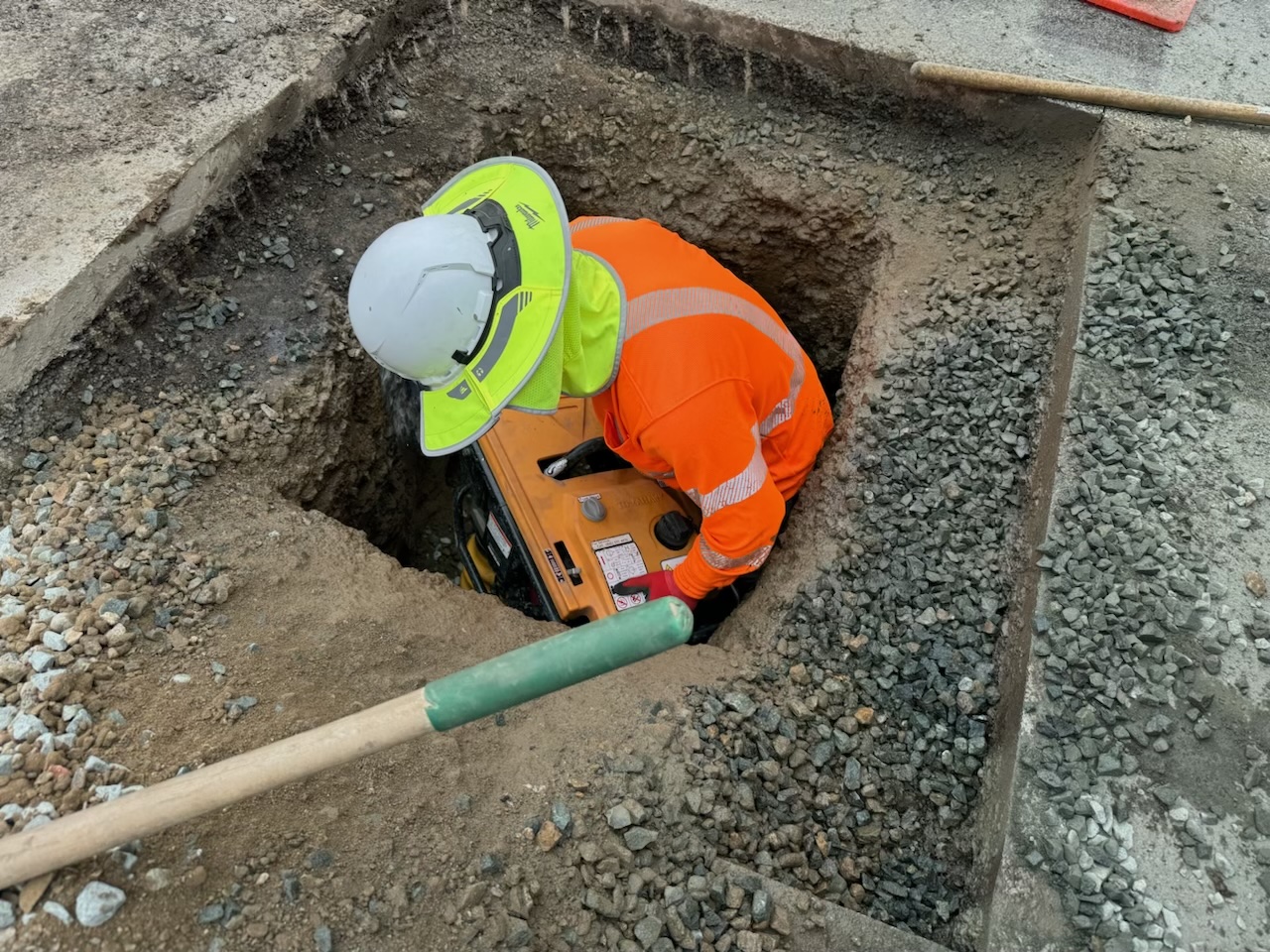
Diagnose & Inspect
We assess the project site, review plans, and use camera inspection or utility locating to understand exactly what's underground before we touch anything.
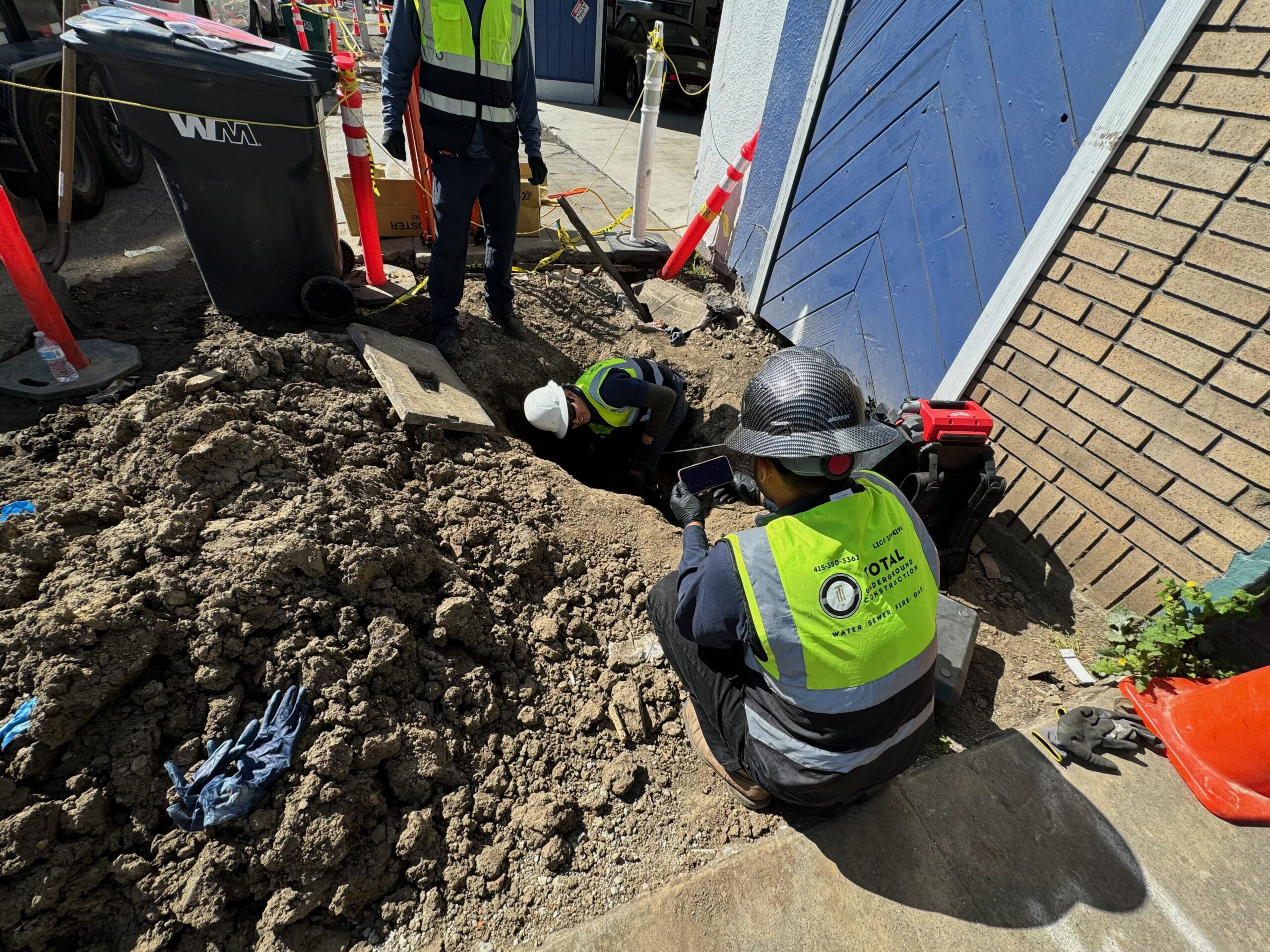
Quote & Plan
You receive a clear, itemized estimate with no surprises. We handle permits, coordinate with utilities, and schedule the crew around your timeline.
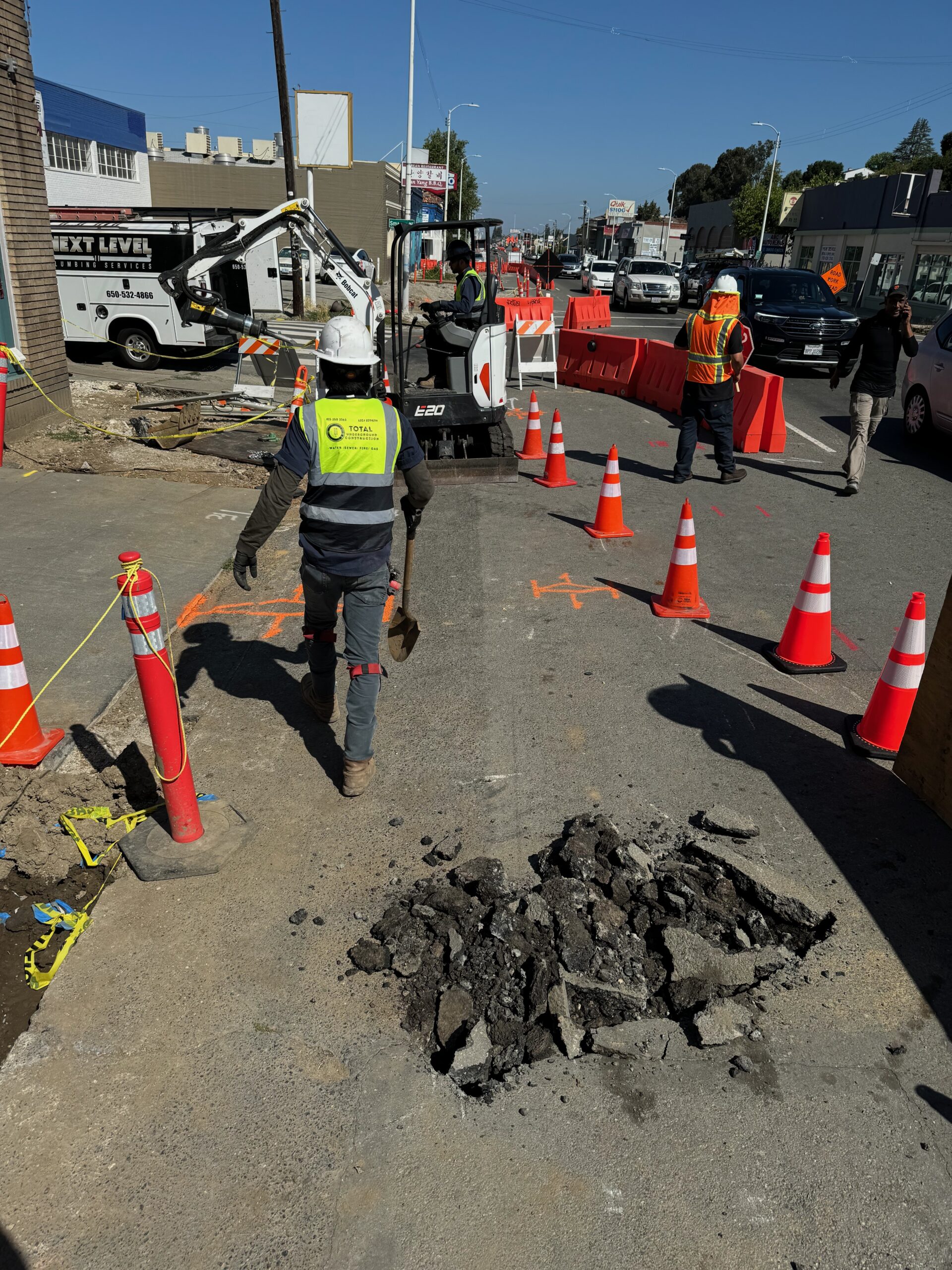
Service & Cleanup
Our self-performing crews complete the work to spec and code. Site is restored and cleaned up — we don't leave until the job looks right.
Coverage
Service Areas
Serving 10+ Bay Area counties from our San Leandro headquarters.
Alameda County
San Leandro · Oakland · Fremont · Hayward · Berkeley + 8 more
Contra Costa County
Walnut Creek · Concord · Richmond · Antioch · Pittsburg + 5 more
San Francisco
San Francisco
San Mateo County
Daly City · San Mateo · Redwood City · South San Francisco · Burlingame + 4 more
Santa Clara County
San Jose · Santa Clara · Sunnyvale · Mountain View · Palo Alto + 5 more
Napa County
Napa · American Canyon · St. Helena · Calistoga
Solano County
Vallejo · Fairfield · Vacaville · Benicia · Suisun City + 1 more
Sonoma County
Santa Rosa · Petaluma · Rohnert Park · Windsor · Healdsburg + 1 more
Get Started Today
Ready to Get Started?
Whether it's an emergency repair or a planned infrastructure project, Total UC is ready to mobilize. Call us now or submit your project details for a free estimate.
LIC # 1094194 A – General Engineering — Licensed, Bonded & Insured
Free Estimate
Request a Service
Describe your project and we'll get back to you within 24 hours.