Smell gas right now? Leave first, read later. Take everyone with you. Don’t flip a switch, use your phone or light anything on the way out. Once you’re well away from the building, call 911, then PG&E at 1-800-743-5000.
A gas line emergency is any sign that natural gas is escaping: the smell, a hissing sound, or damage to a gas line or meter. The right response is the same every time, and it starts with getting out, not with finding the leak. An earlier version of this page told readers to shut off the main gas valve and open windows first. We’ve corrected it to match what PG&E and federal pipeline safety guidance say to do.
What to do in a gas line emergency
PG&E’s gas safety guidance says to leave the area and call 911, then call PG&E. That order doesn’t change with how strong the smell is.
- Get everyone out, including pets. Don’t stop to open windows, shut off valves or look for the source on your way.
- Don’t make a spark. No light switches, no garage door opener, no matches, and don’t start the car. The federal pipeline safety agency, PHMSA, warns that phones and electrical switches can ignite gas in the air.
- Call from a safe distance. PHMSA says to call 911 from a neighbor’s house or somewhere well away from the leak. Then call PG&E at 1-800-743-5000.
- Stay out until you’re told it’s safe. PG&E sends someone to investigate and make the situation safe. Don’t go back inside before then.
Signs of a gas leak
The most reliable sign is the smell. PG&E adds a sulfur-like, rotten egg odor to natural gas so even a small leak is noticeable. PG&E also lists:
- A hissing, whistling or roaring sound from a gas appliance or from underground
- Dirt spraying into the air
- Continual bubbling in a pond or creek
- Dead or dying vegetation in an area that’s usually moist
If you notice any of these, treat it as an emergency and follow the steps above.
Headaches or dizziness indoors may be carbon monoxide
Carbon monoxide (CO) is a different danger. It’s colorless and odorless, so you won’t smell it. The U.S. Consumer Product Safety Commission lists headache, dizziness, weakness, nausea, vomiting, sleepiness and confusion as symptoms of CO poisoning. If you suspect it, get outside to fresh air immediately, then call 911.
After the emergency: who repairs the line?
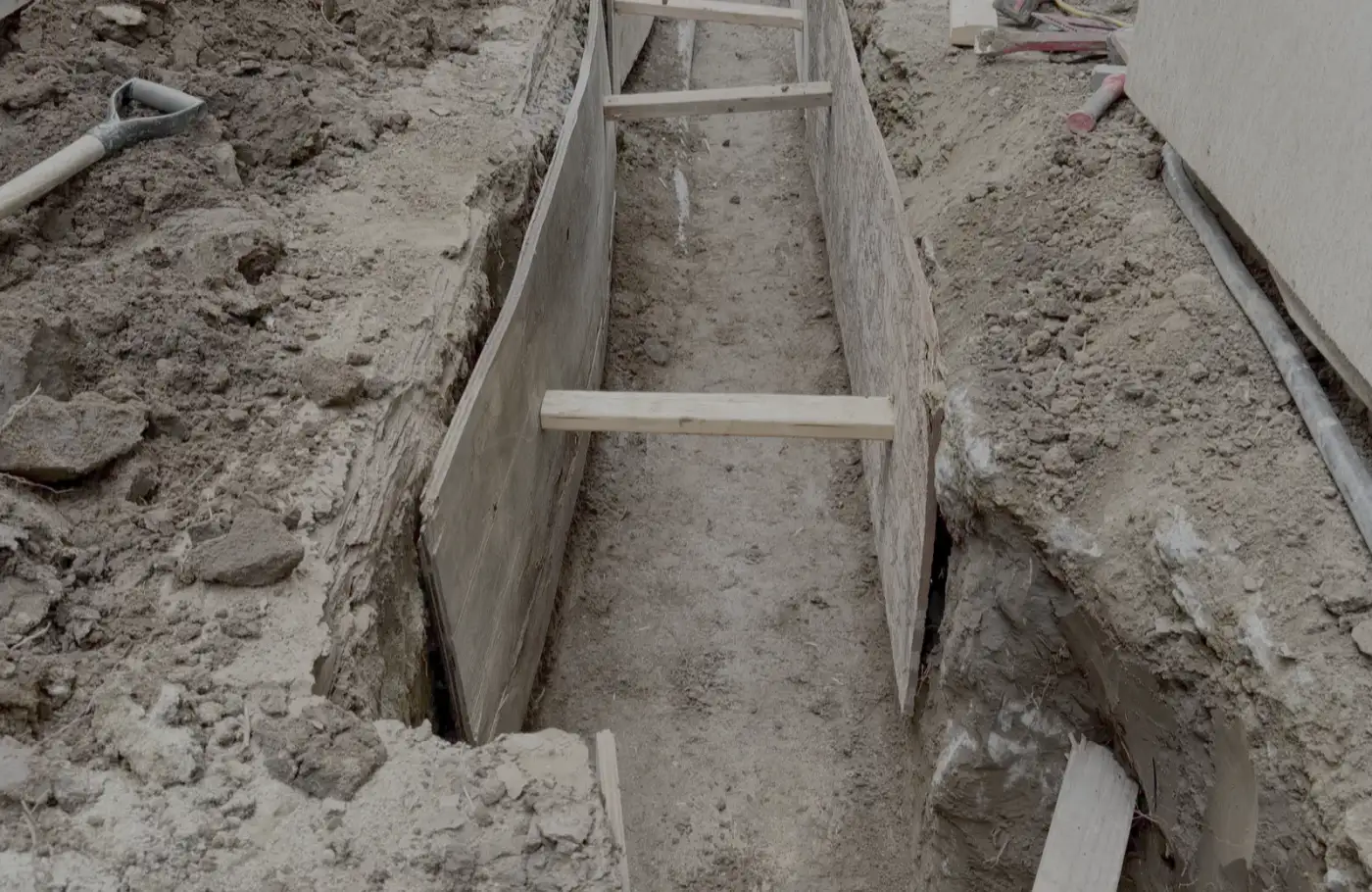
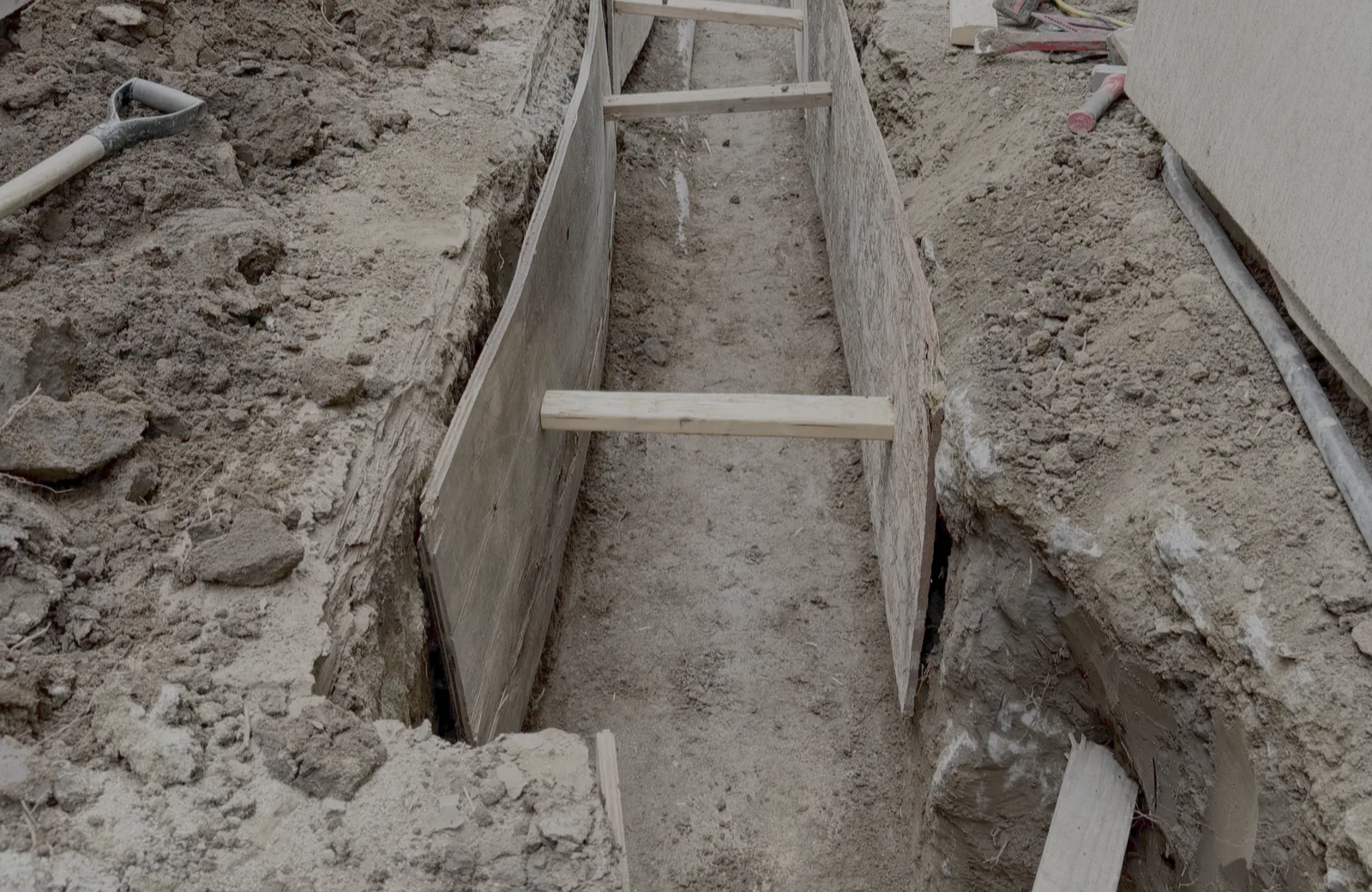
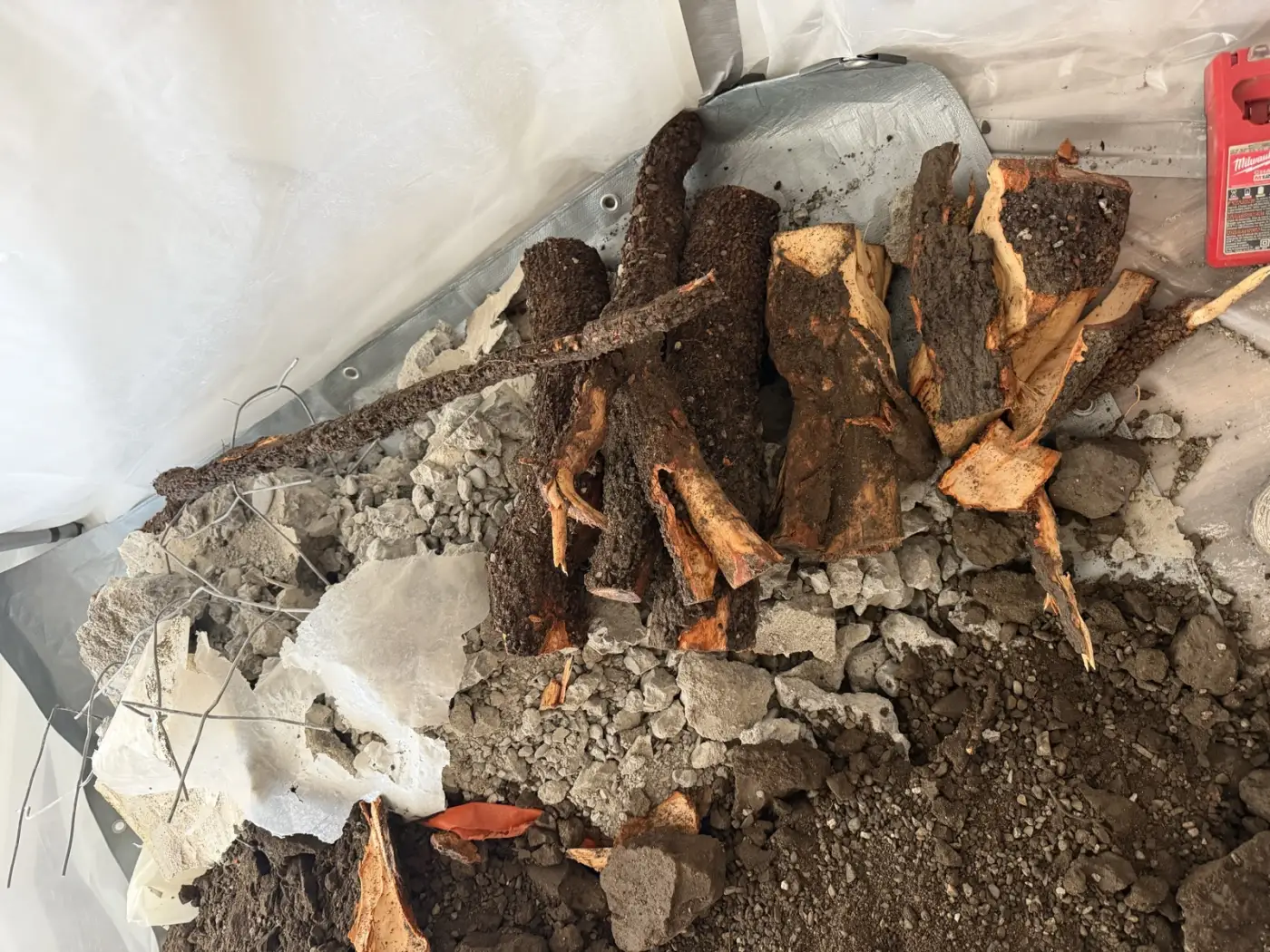
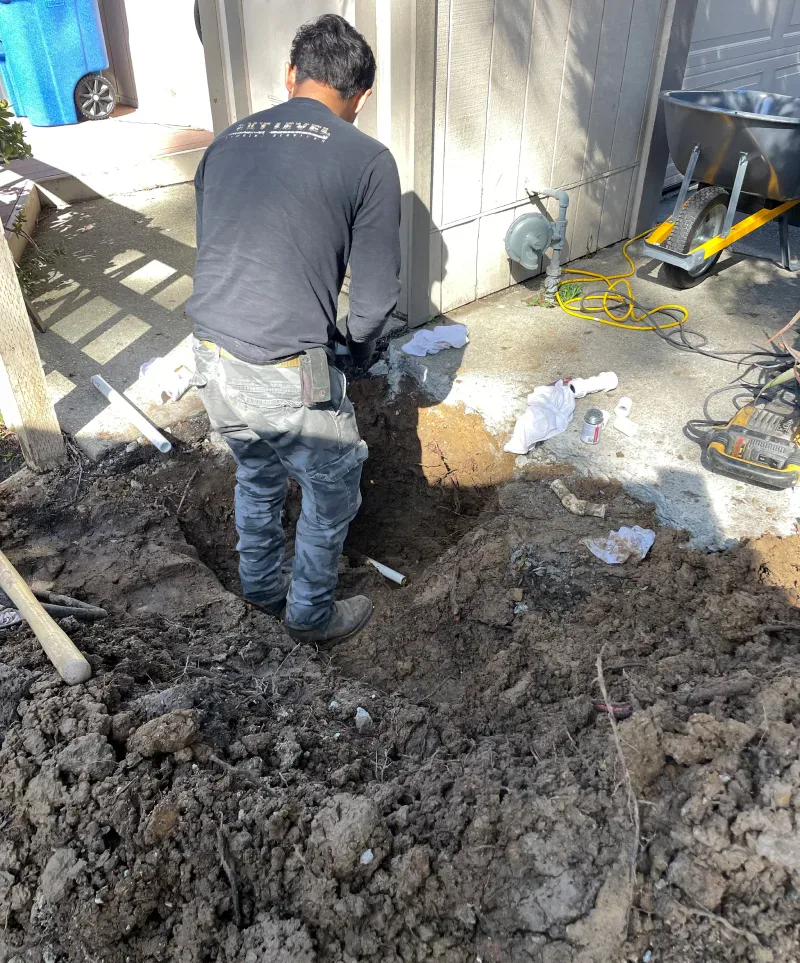
It depends on which side of the gas meter the problem is on. PG&E maintains the system up to and including the meter. Everything past the meter, including buried pipe from the meter to your building and the piping inside it, is customer-owned, according to PG&E’s notice on customer-owned gas lines. PG&E recommends a licensed plumber or contractor to locate, inspect and repair those lines.
Don’t attempt the repair yourself, and don’t turn the gas back on yourself. PG&E says a PG&E representative or another qualified professional should restore service and relight pilots. Our gas leak repair guide walks through who fixes what and how a proper repair is done, and our gas line repair page covers buried lines on your side of the meter.
Lowering the risk of a gas emergency
- Put CO alarms on every level of your home and outside sleeping areas, as CPSC recommends.
- Have customer-owned gas lines inspected periodically by a licensed plumber or contractor. PG&E recommends it, and it doesn’t maintain or inspect those lines for you.
- Call 811 before you dig, and know its limit: PG&E notes that 811 does not locate customer-owned gas lines, so a buried line from your meter to your house won’t be marked. Have it located before any excavation.
- Know where your gas meter is so you can tell PG&E and emergency crews where to find it. Leave the valves to them.
If a buried gas line on your property needs locating, inspection or repair, call Total Underground Construction at (415) 350-3363.