How Much Does Trenchless Sewer Line Replacement Cost?
There is no standard per linear foot price for commercial trenchless sewer replacement, and any published figure that claims otherwise is describing a residential job. Total UC’s minimum for a smaller project is approximately $4,500, depending on scope, location, access, and mobilization. Beyond that, cost is set by site conditions rather than by a rate card.
Most published pricing for this work is written for homeowners replacing a lateral under a lawn. Commercial and multi tenant properties are a different job. The line is usually longer, deeper, and under something that has to be put back: a parking lot, a loading area, a public sidewalk, or a street that needs a permit and traffic control before anyone breaks ground. Those conditions, not the pipe itself, are what move a commercial quote.
This guide covers what actually drives the number on a commercial job, what the line items should look like on a real quote, and the situations where trenchless is the more expensive choice rather than the cheaper one.
What Drives the Cost on a Commercial Job
Five variables account for most of the difference between a modest job and one several times its size: linear footage, pipe diameter, depth, what sits above the line, and how many access pits the method requires. Footage and diameter set the baseline. Everything else is site conditions, and site conditions are where commercial work separates from residential.
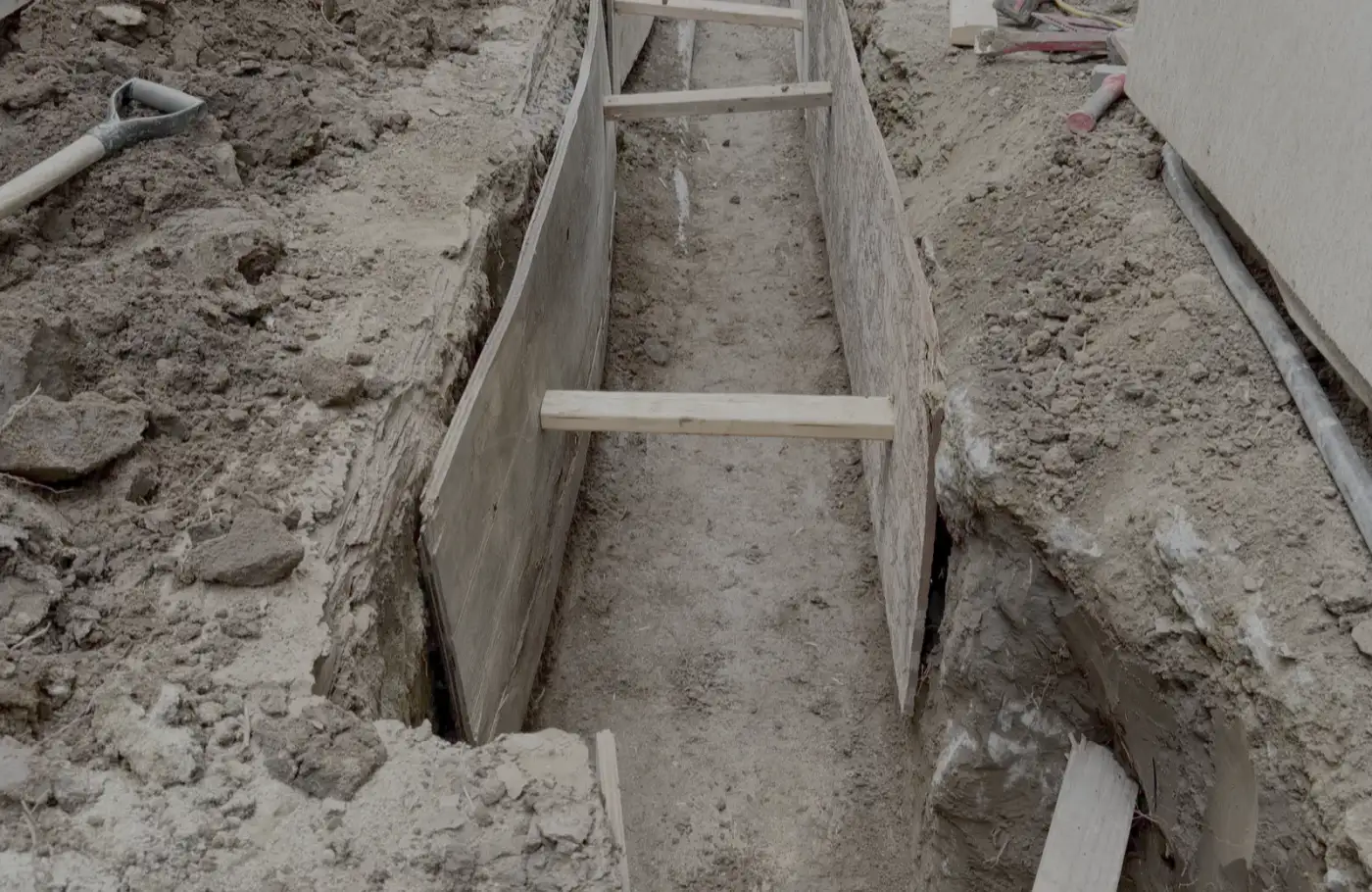
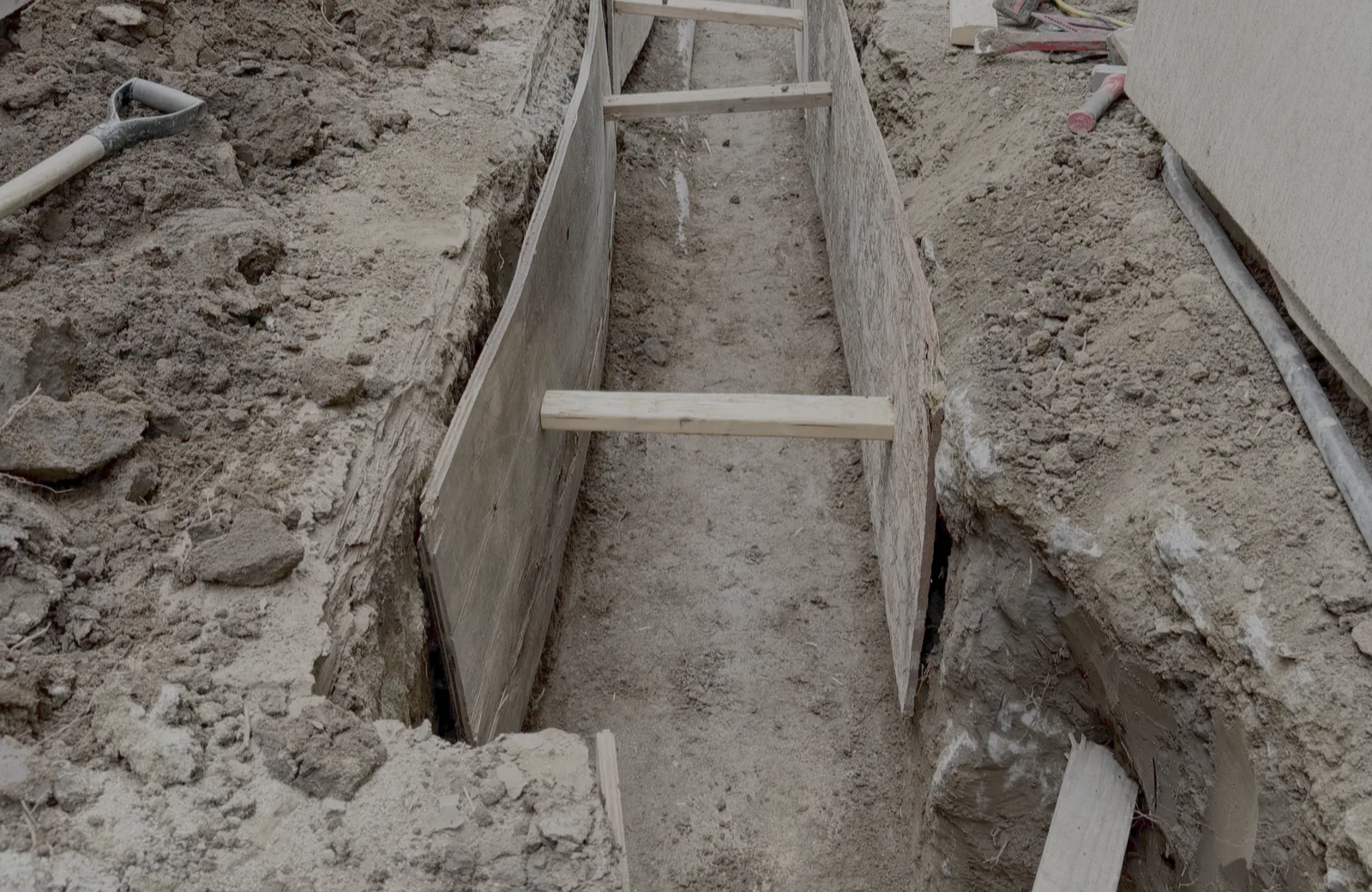
Depth matters more than most property owners expect. Once an excavation passes five feet, California requires a protective system, which means shoring, a trench box, or benching the walls, and that adds equipment, labor, and time to every access pit. Cal/OSHA’s excavation standards set the requirement, and it applies whether the pit is in a lawn or a loading dock.
Picture a property manager with a 120 foot lateral running under a striped parking lot at a strip center in San Leandro. The pipe itself is ordinary six inch clay. But the run crosses two drive aisles, the tenants need access through the whole job, and the lot has to be usable each evening. That job gets priced on staging and phasing as much as on footage, and it is the reason two contractors can quote the same pipe very differently.
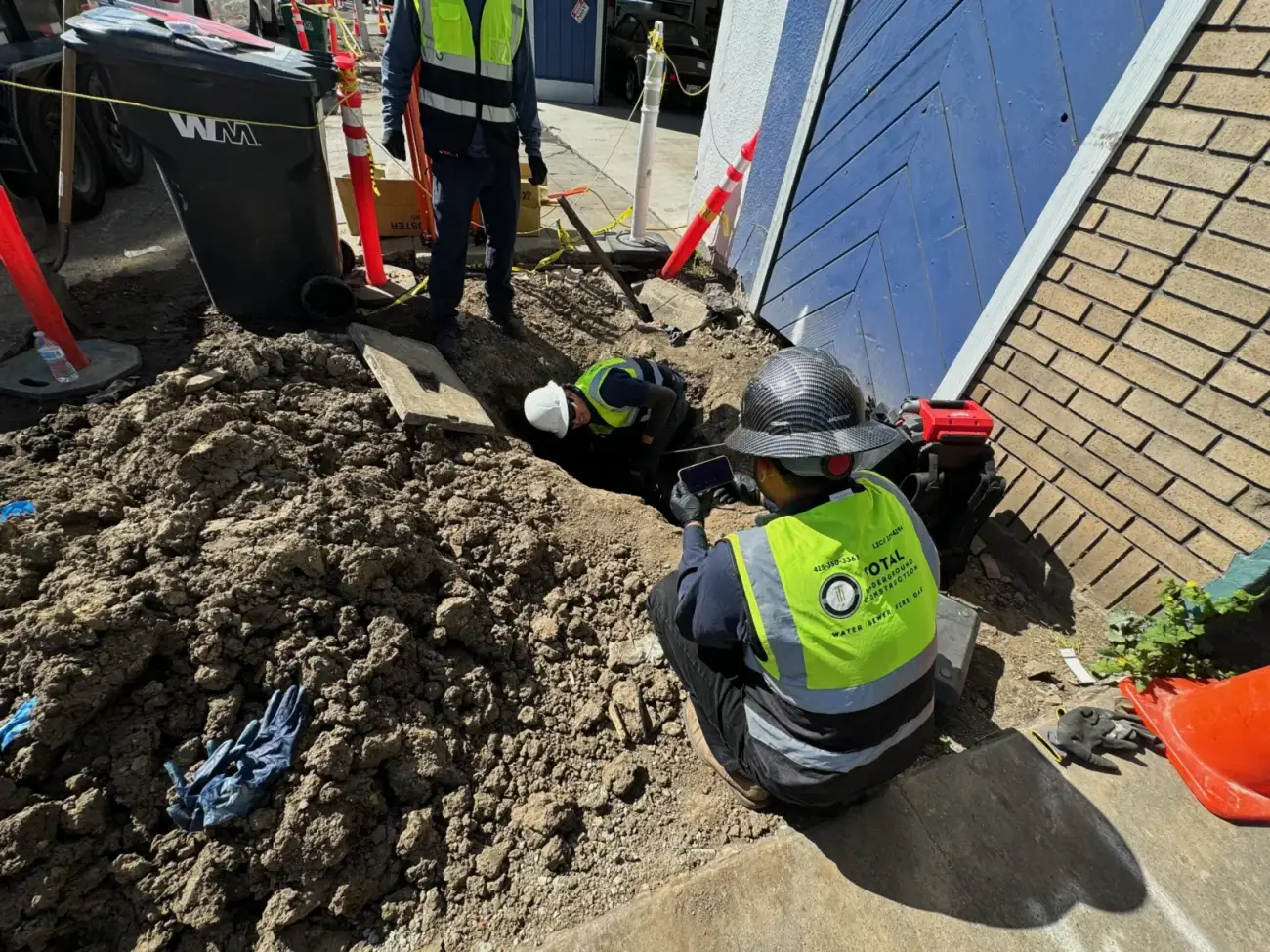
Diagnosis is billed separately and it should be. Camera inspection, locating, and cleanout access are hourly work, and Total UC bills plumbing labor at $150 per hour. Expect that step to precede any fixed quote, because no contractor can price a replacement responsibly without seeing the condition, the slope, and the connection point first.
Trenchless Versus Open Cut: What Each Actually Costs
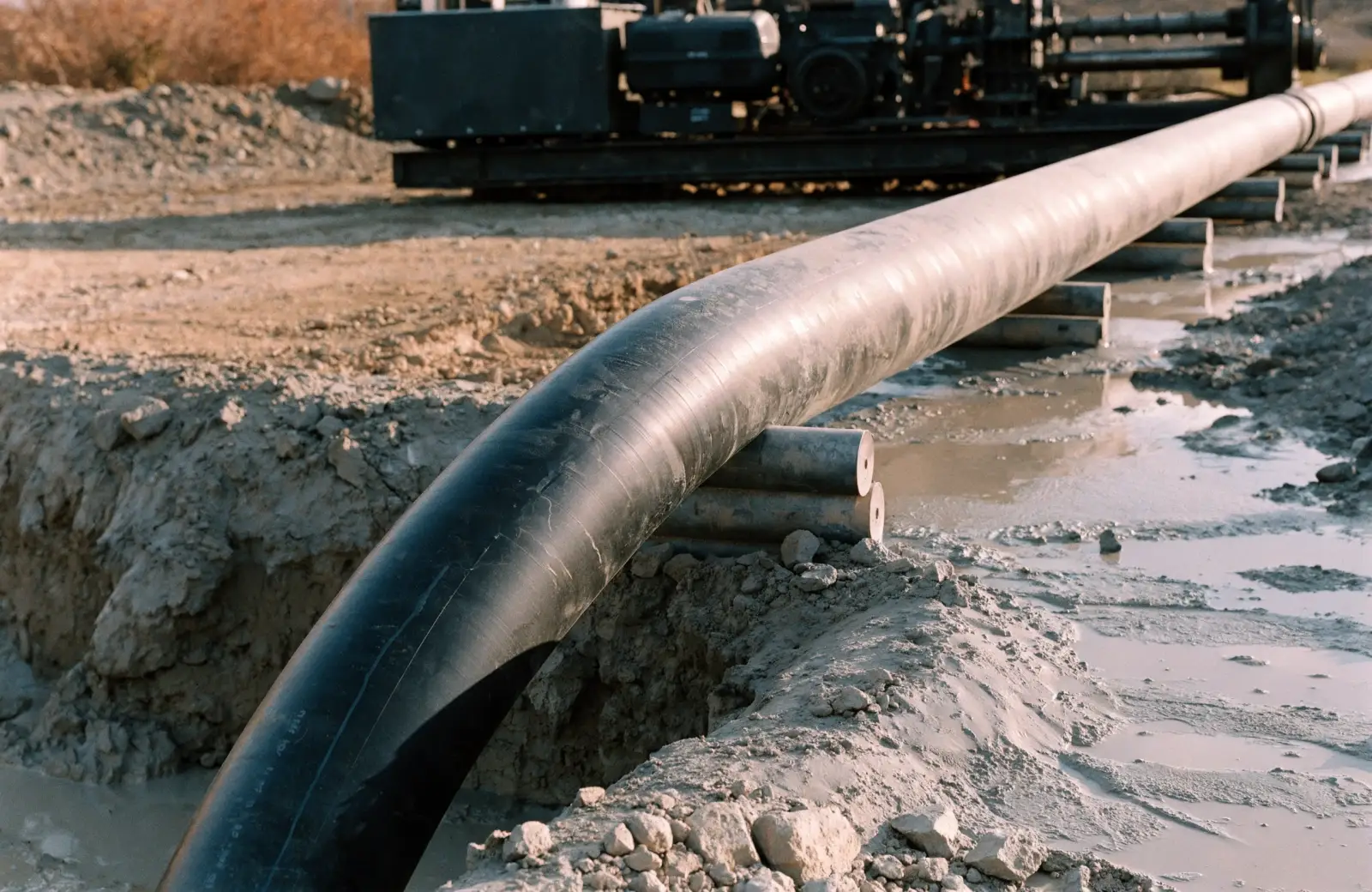
Trenchless usually costs less per project than open trench, even though the excavation equipment is more specialized. Total UC performs trenchless replacement by pipe bursting, which needs only a launching pit and a receiving pit, so there is far less excavation and far less to put back afterwards.
The comparison only makes sense at the project level. A trenchless job needs two access pits and leaves the ground between them intact. An open cut job opens the entire run, which on a paved commercial site means saw cutting, spoil hauling, backfill, compaction, and repaving the full length. That is where a job that looked cheaper per foot ends up costing more in total. Our trenchless versus traditional sewer repair breakdown covers the method differences in more depth.
Say a restaurant has 80 feet of failed lateral running from the building, under a rear alley, to the main. Open cut prices out lower on pipe and labor. Then the alley has to be trench plated overnight for a week, the city wants it restored to spec, and the restaurant loses its delivery access for the duration. The trenchless quote that looked higher on paper is the cheaper outcome once the restoration and the lost access are counted.
What Permits, Traffic Control, and Restoration Add
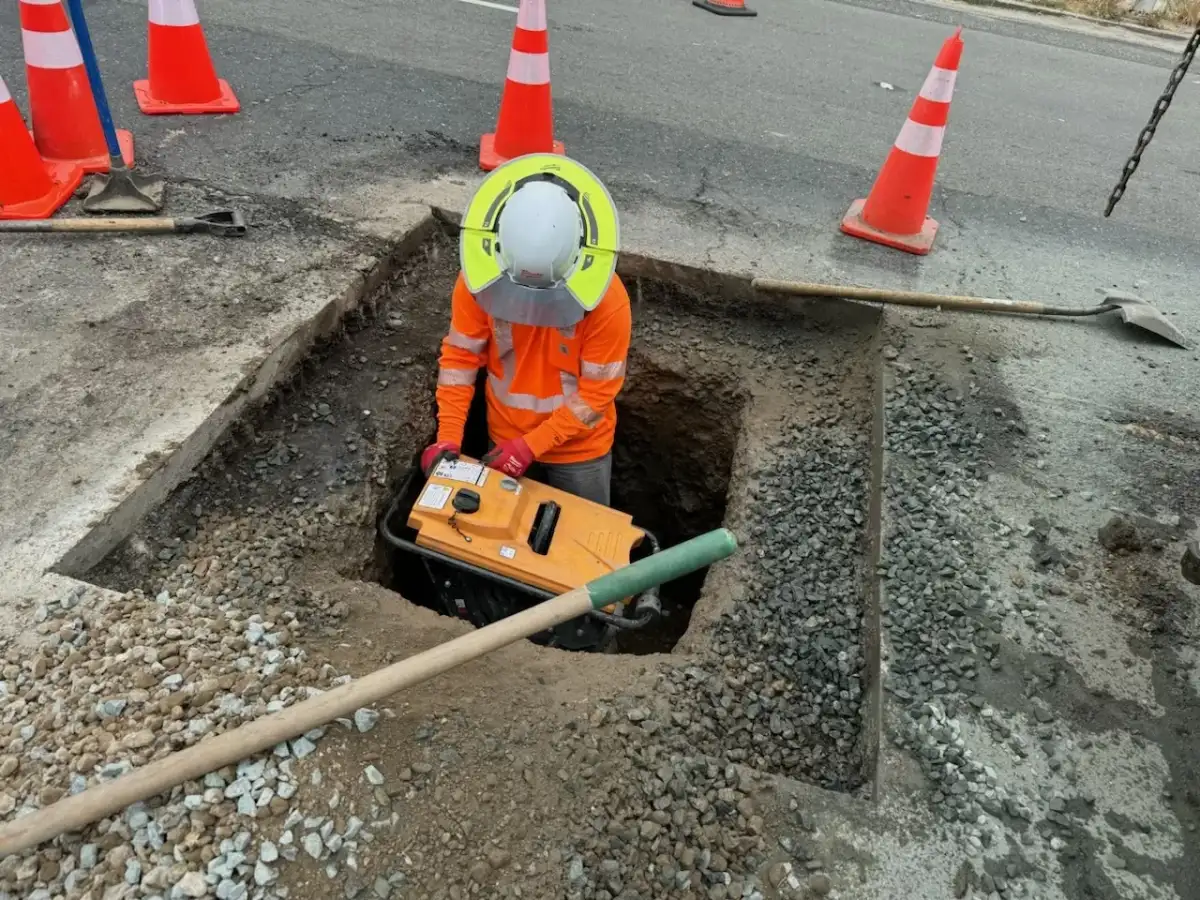
Permits, traffic control, mobilization, and surface restoration are project specific costs and should be quoted separately, not folded into a per foot rate. On a street cut they can rival the cost of the pipe work itself. This is the single biggest gap between residential pricing guides and what a commercial property actually pays.
The variables are jurisdictional. An encroachment permit for work in the public right of way, a traffic control plan when a lane closes, inspection fees, and restoration to the city’s specification are all separate from the replacement itself. Cities differ on how much pavement they require you to restore: some accept a patch, others require a full lane grind and overlay across the cut.
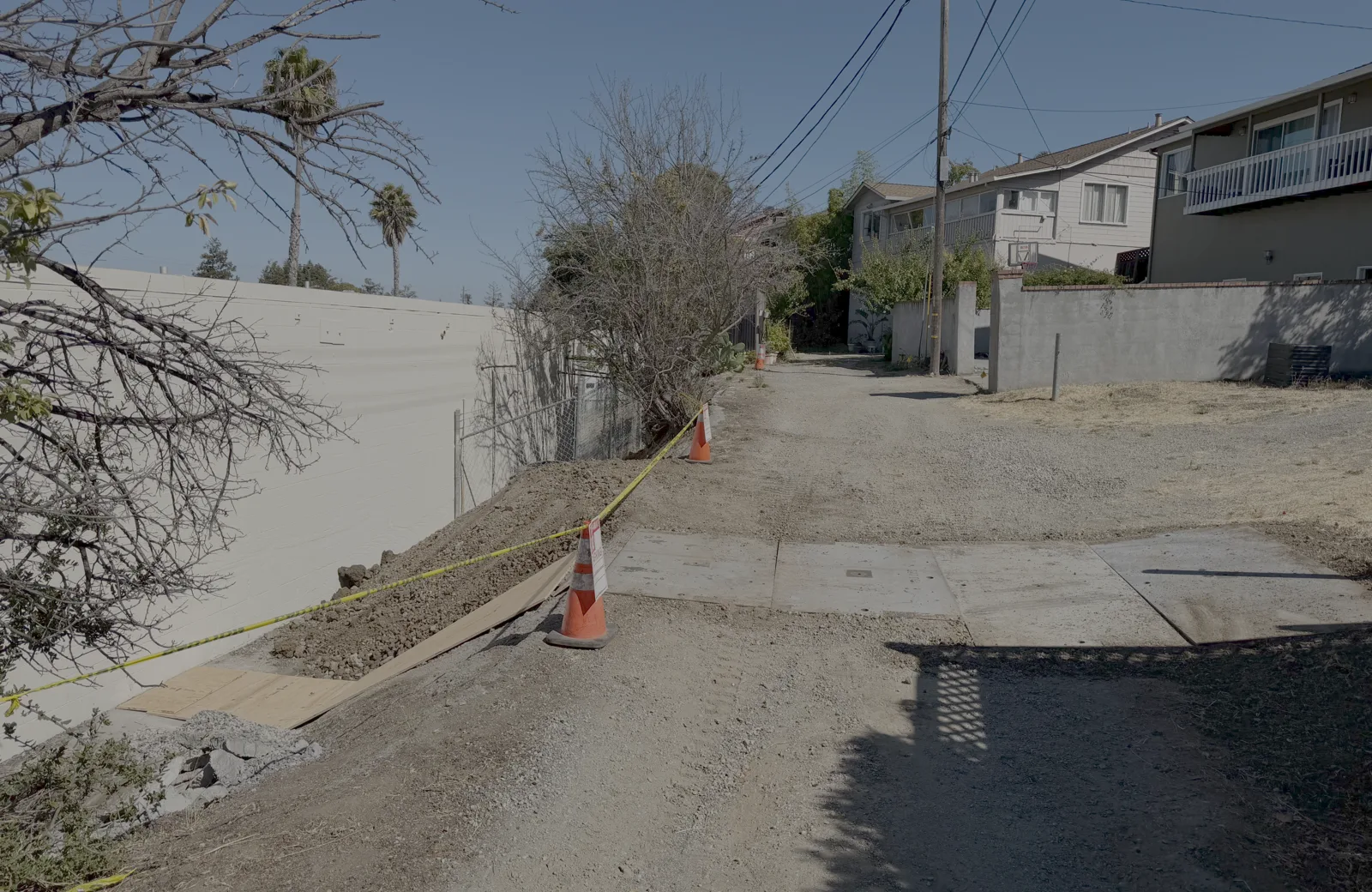
Consider a general contractor on a tenant improvement with a certificate of occupancy date. The sewer connection is 40 feet from the main, across an easement. The replacement is two days of work. The encroachment permit takes three weeks. On that job the permit timeline, not the trenchless method, is the thing that decides the schedule, and pricing the job without accounting for it is how projects miss their dates.
When Trenchless Is the Wrong Call
Trenchless is the wrong choice when the existing line has collapsed, has lost grade, or needs to change route. Pipe bursting follows the path of the pipe it replaces, so it will not correct a line that was installed at the wrong slope or has sagged into a belly holding water.
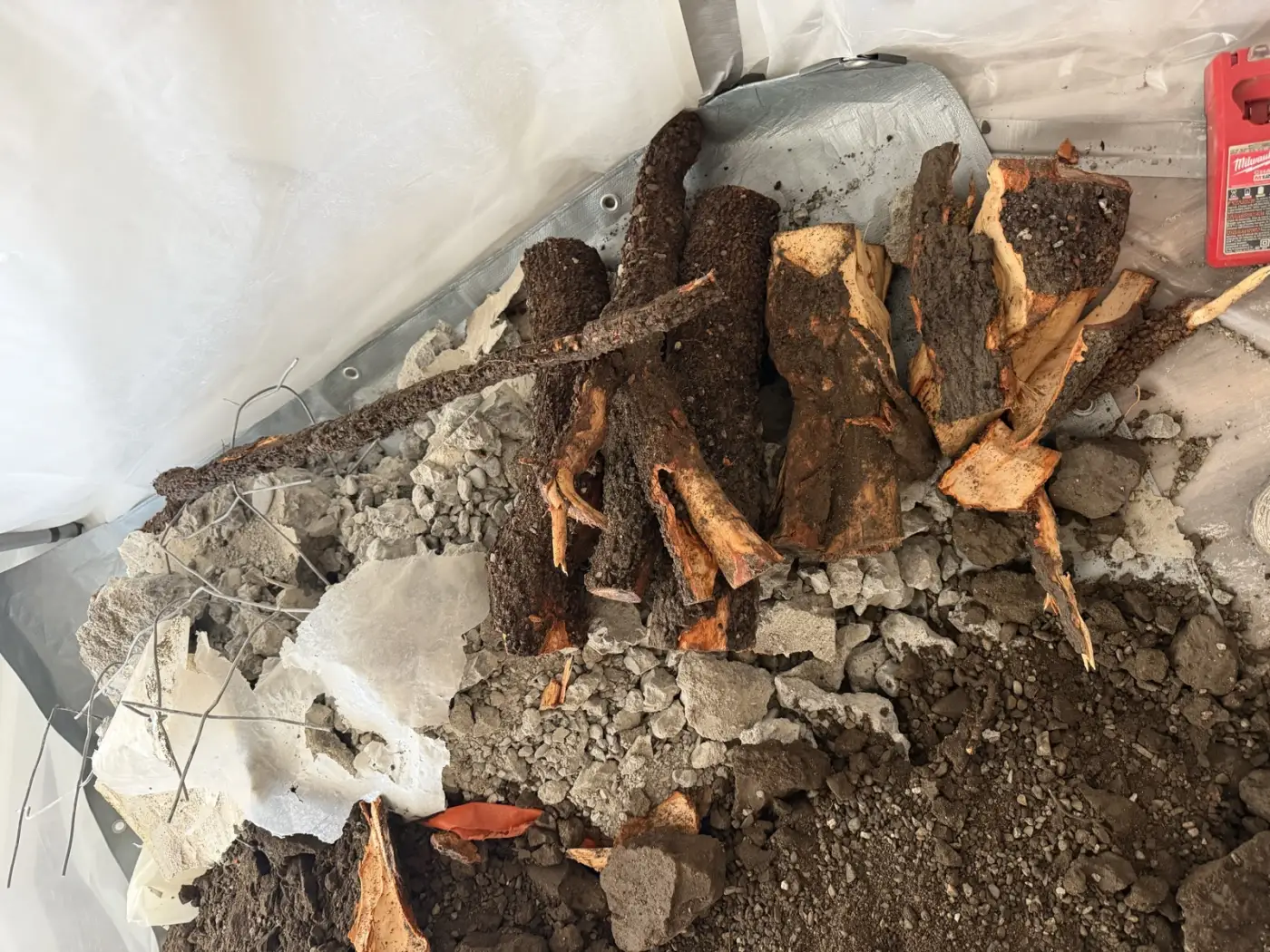
This is the part most cost guides leave out, because it argues against the method that sounds more advanced. A camera inspection showing standing water in a low section means the line has to be re dug and re graded. The same applies when a building’s use changes and the existing four inch lateral has to carry a heavier load: bursting can upsize somewhat, but a routing change means open cut.
Access is the other limit. Trenchless needs a pit at each end and room to set up the rig. On a tight urban parcel with no side yard and a line running under the building footprint, there may be nowhere to put the equipment, and the method that saves money on an open site becomes impractical on a constrained one.
What a Real Quote Should Itemize
A commercial trenchless quote should break out at least six line items: camera inspection and locating, mobilization, the replacement itself with the method named, access pit excavation including shoring, permits and traffic control, and surface restoration. A single lump sum is not a quote, it is a number you cannot compare against anyone else’s.
Ask specifically whether restoration is to the city’s specification or to a patch, because that one distinction can swing the total by thousands. Ask what happens if the camera finds a belly mid job, since that changes method. And ask who pulls the encroachment permit, because if it is you, the timeline is yours to manage.
The Environmental Protection Agency’s guidance on sanitary sewer overflows is worth reading if you own the line: a failed lateral that discharges is the property owner’s liability, and deferred replacement tends to get more expensive rather than less.
Talk to Total UC About Your Sewer Line Replacement
Total UC self performs open trench and trenchless sewer replacement across California, including the permitting, shoring, traffic control, and restoration that commercial jobs require. We do not offer epoxy sewer lining; we replace pipe rather than rehabilitate it. We start with a camera inspection so the quote reflects what is actually in the ground rather than an assumption about it. If you are budgeting a replacement or comparing quotes that do not line up, our trenchless sewer repair and replacement team can walk the site and itemize what the work involves.