
"They installed a 100 foot pipe, 15 feet down with a 45 degree turn. It was an incredibly huge job. The job was done professionally, fast, efficiently and successfully. Joe and Orlando were professional, helpful and always there to answer my questions."
Licensed & Insured — LIC # 1094194 A – General Engineering
Sewer Line Testing & Inspection
Video camera sewer inspections and pressure testing for accurate diagnoses.
Licensed & insured — LIC # 1094194 A – General Engineering
24/7 emergency response
Free estimates with transparent pricing
15+ years of experience
★★★★★ 5.0 on Google
★★★★★ 5.0 on Yelp
Free Estimate
Request a Service
Describe your project and we'll get back to you within 24 hours.
A sewer line inspection is the most reliable way to assess the condition of your underground sewer system — whether you're buying a home, planning a repair, or experiencing recurring drain problems. Total UC provides professional video camera sewer line inspections and pressure testing throughout the Bay Area. Our licensed team (LIC # 1094194) uses high-definition CCTV camera equipment to deliver accurate, real-time footage of your sewer line's interior condition.
What Our Sewer Inspections Include
Our sewer line inspection service covers full-length camera assessment of the sewer line from the cleanout to the city main, identification of root intrusion, pipe cracks, joint offsets, bellied sections, grease buildup, and collapsed sections, pressure testing to identify leaks and confirm system integrity, a recorded video and written report of findings, and a clear repair or replacement recommendation with upfront pricing.
Pre-Purchase Sewer Inspections Across the Bay Area
Total UC serves homebuyers, homeowners, property managers, and contractors throughout San Leandro, Oakland, Hayward, San Mateo, San Francisco, and surrounding Bay Area communities. A pre-purchase sewer inspection can reveal costly hidden problems before you close on a home. Call 415-350-3363 to schedule a sewer camera inspection today.
Sewer Line Testing Methods: How We Inspect Your Sewer System
Not every sewer problem is visible from the surface, and not every inspection method reveals the same information. Total UC uses multiple sewer line testing and inspection techniques to build a complete picture of your underground sewer system's condition. The method — or combination of methods — we recommend depends on the symptoms you are experiencing, the age and material of your sewer pipe, and the purpose of the inspection.
Whether you are a homeowner dealing with recurring drain problems, a property manager responsible for aging infrastructure across multiple buildings, or a homebuyer who wants to know what is underground before you sign, this page walks you through exactly what a sewer line inspection involves, what it costs, and when an East Bay sewer lateral certificate is required.
Video Camera Sewer Inspection
Video camera inspection is the foundation of modern sewer diagnostics. We insert a high-definition, waterproof CCTV camera into your sewer line through the cleanout access point and advance it through the entire length of the pipe to the city main connection. The camera transmits real-time footage to a monitor, allowing our technicians to visually identify root intrusion, pipe cracks, joint offsets and separations, bellied (sagging) sections where water and debris collect, grease and scale buildup, and partial or full pipe collapses. Every inspection is recorded so you receive a permanent video record of your sewer line's condition alongside a written report with findings and recommendations. This footage is also invaluable for real estate transactions, insurance claims, and contractor bids for sewer line repair.
Smoke Testing
Smoke testing is used to detect cracks, breaks, and faulty connections in sewer lines that allow inflow and infiltration — meaning stormwater or groundwater entering the sewer system through defects in the pipe. During a smoke test, non-toxic, artificially generated smoke is blown into the sewer line under low pressure. The smoke follows the path of the pipe and escapes through any cracks, openings, or improper connections, becoming visible at the surface. Smoke testing is particularly effective for identifying illegal stormwater connections, broken cleanout caps, cracked pipe sections, and foundation drain connections that should not be tied into the sanitary sewer. Many Bay Area municipalities use smoke testing results as part of their inflow and infiltration reduction programs.
Dye Testing
Dye testing involves flushing a brightly colored, non-toxic dye into specific fixtures or drain lines to trace where the water goes. This method is used to confirm connections between fixtures and the sewer main, identify cross-connections between the sanitary sewer and storm drain systems, verify that downspouts and area drains are properly routed, and locate the source of unexplained water entering a sewer line. Dye testing is often used in combination with video camera inspection for a comprehensive assessment, especially during sewer and drain service evaluations on older properties.
Hydrostatic Pressure Testing
A hydrostatic pressure test (also called a water test or static test) measures the leak-tightness of a sewer line. The pipe section being tested is plugged at both ends and filled with water to a specific level. If the water level drops over a set period, it indicates that the pipe is leaking. This test is required by many Bay Area building departments for new sewer line installations and major repairs, and it is the definitive method for confirming whether a sewer lateral meets compliance standards. Total UC performs hydrostatic testing as part of sewer lateral compliance inspections and post-repair verification.
When to Schedule a Sewer Line Inspection
Several factors shape when Bay Area property owners should inspect their sewer lines:
- EBMUD sewer lateral certificate: In Oakland, Alameda, Albany, Emeryville, Piedmont, El Cerrito, Kensington and the Richmond Annex, EBMUD requires a Compliance Certificate when you sell the property, build or remodel for more than $100,000, or change your water meter size. There is no single deadline for homeowners; the certificate is due at the trigger. If a sale cannot wait for the work, EBMUD's Time Extension Certificate gives 180 days on a $4,500 refundable deposit. The July 2026 and July 2029 dates you may have seen apply only to properties with more than 1,000 feet of private sewer lines, such as campuses, business parks and large complexes.
- Post-rain season ground conditions: Most Bay Area rain falls between October and April. Once the ground dries and stabilizes after the wet season, conditions are good for both camera inspections (clearer pipe visibility with less standing water) and any repair work that may be needed (soil is workable but not waterlogged).
- Seismic activity: The Hayward Fault runs through the East Bay. Even minor ground shifts can separate sewer pipe joints, crack clay and cast iron sections, and create new entry points for root intrusion, so a camera inspection after any noticeable earthquake is a sensible check.
- Spring root growth: Trees coming out of winter dormancy are aggressively sending roots toward moisture sources. Sewer lines with existing hairline cracks or joint gaps are prime targets. A camera inspection in spring catches root intrusion before it becomes a full blockage by midsummer.
When Do You Need a Sewer Line Inspection?
Many homeowners only think about their sewer line when something goes wrong — a backup, a foul odor, or sewage surfacing in the yard. But proactive sewer inspections can save thousands of dollars by catching problems early. Here are the most common situations that call for a professional sewer line testing and inspection:
Buying a Home
A pre-purchase sewer inspection is one of the smartest investments you can make as a homebuyer in the Bay Area. Sewer line replacement is priced per project, not per foot, and depends on length, depth, surface conditions, permits and restoration. Many older homes in San Leandro, Oakland, Hayward, and surrounding cities were built with clay, Orangeburg (tar paper), or cast iron sewer laterals that have a limited lifespan and may already be failing. A camera inspection before closing reveals the true condition of the pipe and gives you negotiating leverage — or saves you from buying a property with a hidden five-figure repair bill.
If you are buying in Oakland, Berkeley, Alameda, or Piedmont, a sewer lateral inspection is not optional — it is required by local ordinance at point of sale. Do not wait until the last week of escrow to schedule it. Total UC can typically accommodate inspections within days, but lead times extend as demand increases in late spring and summer.
Older Properties (40+ Years)
If your home was built before the mid-1980s, the sewer lateral is likely made of clay, cast iron, or in some cases Orangeburg pipe. These materials degrade over time — clay pipes crack and allow root intrusion through the joints, cast iron corrodes from the inside out, and Orangeburg pipes collapse under soil pressure. Even if you are not currently experiencing problems, a camera inspection on an older property establishes a baseline condition and helps you plan for eventual repair or replacement before an emergency forces the issue.
Recurring Drain Backups
If you have had your drains cleaned more than once in the past year, the issue is likely deeper than a simple clog. Recurring backups often indicate structural problems in the sewer line — such as root intrusion through cracked joints, a bellied section collecting debris, or a partial collapse restricting flow. A video camera inspection identifies the root cause so the actual problem can be fixed, rather than repeatedly treating the symptom. For immediate backup issues, our drain cleaning service in San Leandro can restore flow while we diagnose the underlying cause.
Sewer Lateral Compliance Requirements
Several Bay Area municipalities have adopted Private Sewer Lateral (PSL) ordinances that require property owners to inspect and, if necessary, repair or replace their sewer lateral at certain trigger points — typically when the property is sold, when a building permit over a certain value is issued, or when a water or sewer connection permit is requested. Cities with active PSL programs include Oakland, Berkeley, Piedmont, Alameda, and others in Alameda County. Total UC performs sewer lateral compliance inspections that meet all local requirements and provides the documentation you need to satisfy city ordinances.
After a Remodel or Addition
Major renovations that add bathrooms, kitchens, or laundry facilities increase the load on your sewer system. A post-remodel inspection verifies that new connections were properly made and that the existing sewer lateral can handle the increased flow without issues.
The Real Cost of Waiting: Why Not to Delay a Sewer Inspection
Sewer line problems do not improve on their own. Understanding the true cost of delay puts the $150-$500 inspection fee in perspective:
- A root intrusion caught early can often be cleared and the joint sealed. Left for another year, the roots expand, crack the pipe further, and the fix becomes a full replacement by pipe bursting or open trench excavation, at several times the cost.
- A bellied section collecting debris causes chronic slow drains and backups that damage your home's interior. The average sewer backup cleanup in the Bay Area costs $2,000-$8,000 per incident, on top of the eventual pipe repair.
- A certificate that is not ready at sale can hold up escrow or push you into a rushed repair. Checking the lateral early in the transaction leaves time to plan the work.
- Foundation and property damage: A leaking sewer lateral erodes surrounding soil over time. In Bay Area clay soils, this erosion can undermine foundations, driveways, and walkways — turning a pipe repair into a much larger structural project.
What a Sewer Line Inspection Report Includes
After every sewer line inspection, Total UC provides a comprehensive report that gives you a clear understanding of your sewer system's condition and what — if anything — needs to be done. Our inspection reports include:
- Recorded HD video of the entire sewer line interior, from the cleanout to the city main connection.
- Pipe material identification — clay, cast iron, ABS, PVC, Orangeburg, or other materials, including transitions between materials.
- Pipe condition assessment with descriptions and timestamps for each defect or area of concern identified.
- Root intrusion severity rating — from minor root hairs to major root masses blocking flow.
- Joint condition evaluation — noting offset, separated, or infiltrating joints.
- Grade and alignment assessment — identifying bellied sections, backgraded areas, or channel wear.
- Obstruction documentation — grease deposits, scale buildup, debris accumulation, or foreign objects.
- Connection to city main verification — confirming the lateral ties into the municipal sewer system properly.
- Repair or replacement recommendations with estimated costs and method options, including trenchless sewer repair alternatives where applicable.
This report is suitable for real estate transactions, insurance claims, permit applications, and contractor bids. We provide digital copies for easy sharing with agents, lenders, and city inspectors.
Common Sewer Line Problems Found in the Bay Area
The Bay Area's mix of older housing stock, expansive clay soils, mature tree canopies, and variable water tables creates conditions that accelerate sewer line deterioration. Across thousands of inspections in San Leandro, Oakland, Hayward, San Mateo, and surrounding cities, Total UC's technicians consistently find the following issues:
- Tree root intrusion — The number one cause of sewer line blockages and damage in the Bay Area. Roots seek out the moisture in sewer lines and enter through joints and cracks, eventually filling the pipe and causing backups.
- Cracked and broken pipe — Clay and cast iron pipes develop cracks from age, ground movement, soil pressure, and surface loading (vehicles driving over shallow lines).
- Joint offsets and separations — Soil settlement and seismic activity shift pipe sections out of alignment, creating gaps where roots enter and debris accumulates.
- Bellied (sagging) pipe sections — When the soil beneath a sewer pipe settles unevenly, the pipe develops low spots where water pools and solids collect, leading to chronic slow drains and eventual blockages.
- Grease buildup — Particularly common in commercial properties and older residential lines, grease accumulates on pipe walls and progressively narrows the flow channel.
- Orangeburg pipe deterioration — This tar paper pipe material, commonly installed in the 1950s through 1970s, degrades and deforms over time. Total replacement is the only effective solution.
- Cast iron corrosion — Older cast iron sewer lines corrode from the inside, developing rough surfaces that catch debris and eventually losing structural integrity.
- Illegal or improper connections — Downspouts, sump pumps, or area drains connected to the sanitary sewer, which overload the system during rainstorms and may violate local codes.
Which Situation Sounds Like Yours?
See which scenario matches what you are dealing with, and what we recommend as your next step.
"My drains are slow and I have tried everything — snaking, chemicals, enzymes — but the problem keeps coming back."
Recurring drain issues after repeated clearing attempts almost always point to a structural problem in the sewer line itself, not just a clog. Roots may be growing back through a cracked joint, a bellied section may be collecting debris faster than you can clear it, or the pipe may have partially collapsed. A video camera inspection ends the guessing game — you see exactly what is happening inside the pipe and can make an informed decision about the right repair. Stop spending money on temporary fixes and get a diagnosis.
"I am buying a home in Oakland and my agent said I need a sewer lateral inspection for compliance."
Your agent is correct. In Oakland, EBMUD's regional sewer lateral program requires a Compliance Certificate before a sale closes, which means the lateral has to pass EBMUD's inspection and show it is leak-free. Schedule the inspection as early in the transaction as possible. If the lateral fails and needs repair, you need time to negotiate responsibility with the seller or plan the work. If time runs short, EBMUD's Time Extension Certificate lets the work finish within 180 days of issue on a $4,500 refundable deposit.
"We had a sewer backup last winter and the plumber cleared it, but I am worried it will happen again."
One backup is a warning. A second backup from the same cause is almost certain if the underlying issue is not addressed. The backup was a symptom — the cause (roots, a crack, a belly, a collapse) is still there. A camera inspection reveals what caused the backup and how extensive the damage is, so you can fix the actual problem rather than waiting for the next emergency. With the 2025-2026 rain season behind us and spring ground conditions ideal for repair work, now is the right time to move from reactive to proactive.
"I manage rental properties and want to get ahead of maintenance before tenants start reporting problems."
Property managers who inspect sewer lines proactively spend dramatically less on sewer-related issues than those who wait for emergencies. A camera inspection on each property every 2-3 years costs $150-$500 per unit and catches problems while they are still small repairs rather than emergency replacements that disrupt tenants and create liability. Total UC offers multi-property scheduling and volume pricing for property management companies across the Bay Area.
Your Next Steps
Here is exactly what to do depending on your situation:
- If you are experiencing active backups or sewer odors: Call Total UC at 415-350-3363 for emergency service. We can clear the immediate blockage and perform a camera inspection to diagnose the cause, often in the same visit.
- If you are buying or selling a property in the EBMUD area: Check the property's certificate status with EBMUD's property search at eastbaypsl.com. If there is no valid certificate, book the lateral inspection at the start of escrow so any repair fits the timeline.
- If your home is 40+ years old and has never had a sewer inspection: A baseline camera inspection gives you a clear picture of your pipe's condition and remaining useful life. This information helps you plan and budget rather than react to an emergency. The dry months after the rain season offer the best ground conditions for both inspection and any follow-up work.
- If you are a property manager planning seasonal maintenance: Contact us about multi-property inspection scheduling. Annual or biennial sewer inspections across your portfolio prevent emergencies, reduce long-term costs, and demonstrate due diligence.
The dry months after the rain season are the best window for sewer inspections and repair work in the Bay Area. The ground has stabilized, soil conditions suit trenchless repairs, and the work is done before winter storms put extra load on a weak line. If a sale or major remodel is coming up, book the inspection early so any repair fits your timeline.
What to Expect: Outcomes of a Sewer Line Inspection
Immediate Outcomes
You receive a clear picture of your sewer system's condition — on video and in a written report. If your lateral is in good shape, you have documented proof for compliance, real estate transactions, or your own records. If issues are found, you have specific, prioritized recommendations with cost estimates and repair method options. No guessing, no surprises, and no need to hire another contractor for a second opinion — what you see on the camera is what you get.
Long-Term Outcomes
A proactive inspection prevents the cascade of costs that comes from an undetected sewer problem. Root intrusion caught early stays a minor repair instead of becoming a full line replacement. A bellied section identified before it causes backups gets fixed on your schedule and your budget, not as a weekend emergency. For property managers, documented inspections reduce liability and support insurance renewals. For homebuyers, the inspection either gives you confidence or saves you from a money pit. Either way, you are making decisions based on facts, not guesses.
Bay Area Sewer Lateral Requirements by City
Understanding your city's sewer lateral requirements is important because non-compliance can delay property sales, trigger fines, or prevent building permits from being issued. Here is an overview of requirements in the communities Total UC serves most frequently:
- Oakland — Private Sewer Lateral (PSL) ordinance requires lateral inspection and repair/replacement at point of sale or when building permits exceed $100,000.
- Berkeley — Sewer lateral compliance required at point of sale. Laterals must pass a pressure test or be replaced.
- San Leandro — While San Leandro does not currently have a mandatory PSL ordinance, the city's sewer system rehabilitation program incentivizes voluntary lateral inspections and repairs.
- Hayward — Sewer lateral inspection may be required for building permits and major renovations. Check with the city's public works department for current requirements.
- Alameda — Mandatory sewer lateral testing and repair at point of sale.
- San Mateo County — Requirements vary by jurisdiction. Several cities require lateral inspections as part of the building permit process for major renovations.
EBMUD regional program note: In the EBMUD wastewater service area (Alameda, Albany, Emeryville, Oakland, Piedmont, El Cerrito, Kensington and the Richmond Annex), a Compliance Certificate is required when a property is sold, when building or remodeling work exceeds $100,000, or when the water meter size changes. Certificates last 20 years after a full replacement and 7 years after a repair or a passing test. Properties with more than 1,000 feet of private sewer lines follow separate rules, with work due by July 2026 or July 2029 depending on the property. Sources: EBMUD private sewer laterals and the East Bay PSL program FAQ, checked September 2026.
Why Choose Total UC for Sewer Line Testing and Inspection
Sewer line inspection is a specialized service that requires the right equipment, trained operators, and the experience to accurately interpret what the camera reveals. Total UC is not a drain cleaning company that bought a camera — we are underground construction specialists with 15+ years of experience diagnosing and repairing sewer systems throughout the Bay Area.
- HD camera equipment — Our high-definition, self-leveling sewer cameras produce clear, color footage that accurately shows pipe condition. We can inspect lines from 2 inches to 36 inches in diameter.
- Multiple testing capabilities — Video, smoke, dye, and pressure testing available in a single visit when needed.
- Licensed and insured — California Contractor License # 1094194, with full general liability and workers' compensation coverage.
- Complete repair capability — If inspection reveals a problem, we can perform sewer line repair, trenchless replacement, or traditional excavation and replacement. No need to hire a second contractor.
- Same-day reports — You receive your video recording and written report the same day in most cases, so you can make informed decisions quickly.
- Bay Area expertise — We know the pipe materials, soil conditions, tree species, and municipal requirements specific to San Leandro, Oakland, Hayward, San Mateo, San Francisco, and surrounding communities.
- Transparent pricing — Free estimates, clear costs, and no surprise charges. You know exactly what you are paying for before we begin.
Call Total UC at 415-350-3363 to schedule a sewer line inspection, request a free estimate, or get answers to your sewer line questions. We serve homeowners, homebuyers, property managers, real estate agents, and contractors throughout the Bay Area.
Customer Reviews
What Our Clients Say
Trusted by homeowners, developers, and municipalities across the Bay Area.
"I failed an inspection required by City of San Mateo's lateral sewer line ordinance. Joe gave me a quote with a few contingencies for what he could not see until excavating, and the contingent items were not necessary, so the quote held. Permits and all phases were perfectly sequenced, and we passed inspection."
"An excellent experience working with Joe on my water service, city side upgrade. He went above and beyond to push the project through, even as the city changed the sequence and timing of several technical and administrative steps. His communication and follow through were exceptional."
"Joe was up front about cost and schedule, and was careful to make sure that the job was truly necessary. His crew was thorough, prompt, and great to interact with. They rolled with some unexpected hiccups on our end."
"We needed a pipe dug out of a concrete driveway in order to clear the sewer line. Joe explained everything and the work was done in one day."
"They came out to assess the situation and proposed a cost effective solution. They drove out that night to get the sewer line into a passable condition so we would not be without water, free of charge. During the project they had four guys working and completed the sewer line replacement in a single day."
"I had a leak under my house and Joe came out within hours. They replaced galvanized pipes within 24 hours, very professional."
"Our old galvanized water lines were badly corroded and needed replacing with copper. They were prompt and knowledgeable, got the work done with minimal inconvenience, and constantly kept us advised what was being done."
FAQ
Frequently Asked Questions
A standard video camera sewer line inspection in the Bay Area typically costs between $150 and $500 for residential properties. The price depends on the length of the sewer line, accessibility of the cleanout, and whether additional testing such as pressure or smoke testing is needed. Commercial inspections for larger buildings or multi-unit properties range from $500 to $1,500. Total UC provides free estimates — call 415-350-3363 for exact pricing.
A standard video camera sewer inspection takes 30 minutes to 1 hour for a typical residential property. If additional testing methods are needed — such as smoke testing, dye testing, or hydrostatic pressure testing — the process may take 2 to 3 hours. You receive the recorded video and written report the same day in most cases.
Absolutely. A pre-purchase sewer inspection is one of the most important steps you can take when buying a home in the Bay Area. Sewer line replacement cost depends entirely on site conditions rather than a standard rate, and many older homes in San Leandro, Oakland, and Hayward have original clay or cast iron sewer pipes that may be damaged or near the end of their useful life. A sewer camera inspection reveals the true condition of the pipe before you close.
Common warning signs include recurring drain backups or slow drains throughout the house, gurgling sounds from drains or toilets, sewage odors inside or outside the property, wet or sunken spots in the yard, unusually green patches of grass over the sewer line path, and multiple drains backing up at the same time. If you notice any of these issues, a camera inspection can identify the root cause quickly.
Several Bay Area cities — including Oakland, Berkeley, and other Alameda County municipalities — require a sewer lateral compliance inspection when a property is sold or when a building permit is issued for major renovations. This inspection verifies that the private sewer lateral (the pipe from your home to the city main) is not leaking sewage into the ground, which can contaminate groundwater and overload the municipal treatment system. Total UC performs sewer lateral compliance inspections that meet local requirements.
Total UC uses multiple sewer testing methods depending on the situation: high-definition video camera inspection for visual assessment of the pipe interior, hydrostatic pressure testing to check for leaks in the system, smoke testing to locate cracks and openings where inflow or infiltration may occur, and dye testing to trace connections and verify that fixtures drain to the correct line. We recommend the appropriate method based on your specific situation.
Yes. Total UC is a full-service underground construction contractor. If our inspection reveals issues such as root intrusion, cracks, offsets, bellied sections, or collapses, we can provide an immediate repair estimate and perform the work — including trenchless replacement by pipe bursting, which minimizes property disruption. You do not need to hire a separate contractor.
For residential properties, we recommend a sewer line inspection every 3 to 5 years, or more frequently if your property has mature trees near the sewer line, the home is older than 40 years, or you have experienced previous sewer backups. Commercial properties and multi-unit buildings should be inspected annually. Regular inspections catch small problems before they become expensive emergencies.
Our Process
How It Works
Three straightforward steps from first call to finished project.
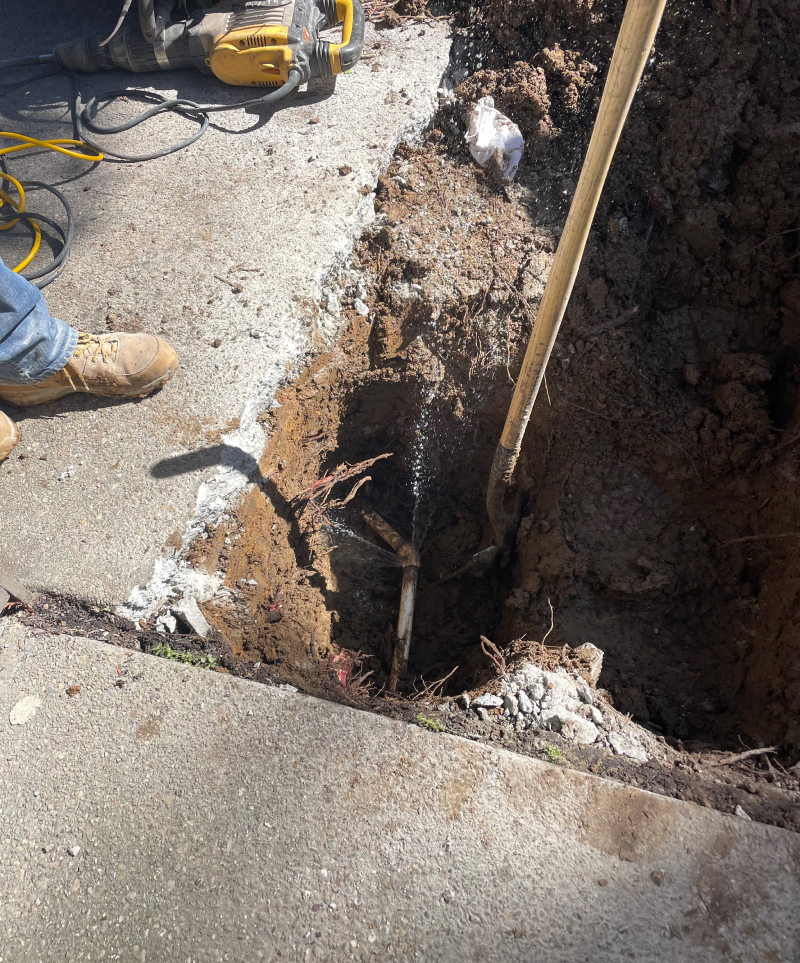
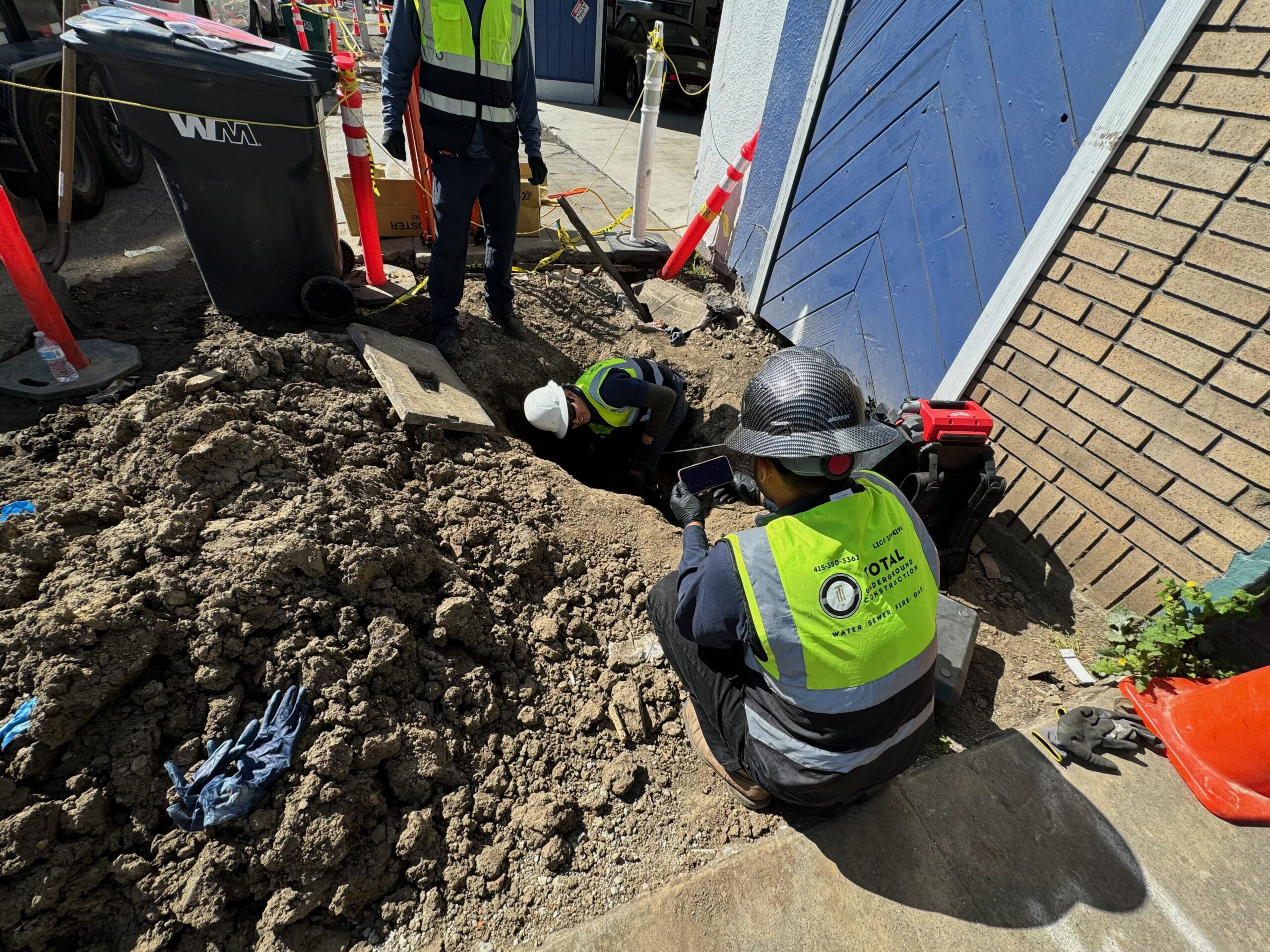
Diagnose & Inspect
We assess the project site, review plans, and use camera inspection or utility locating to understand exactly what's underground before we touch anything.
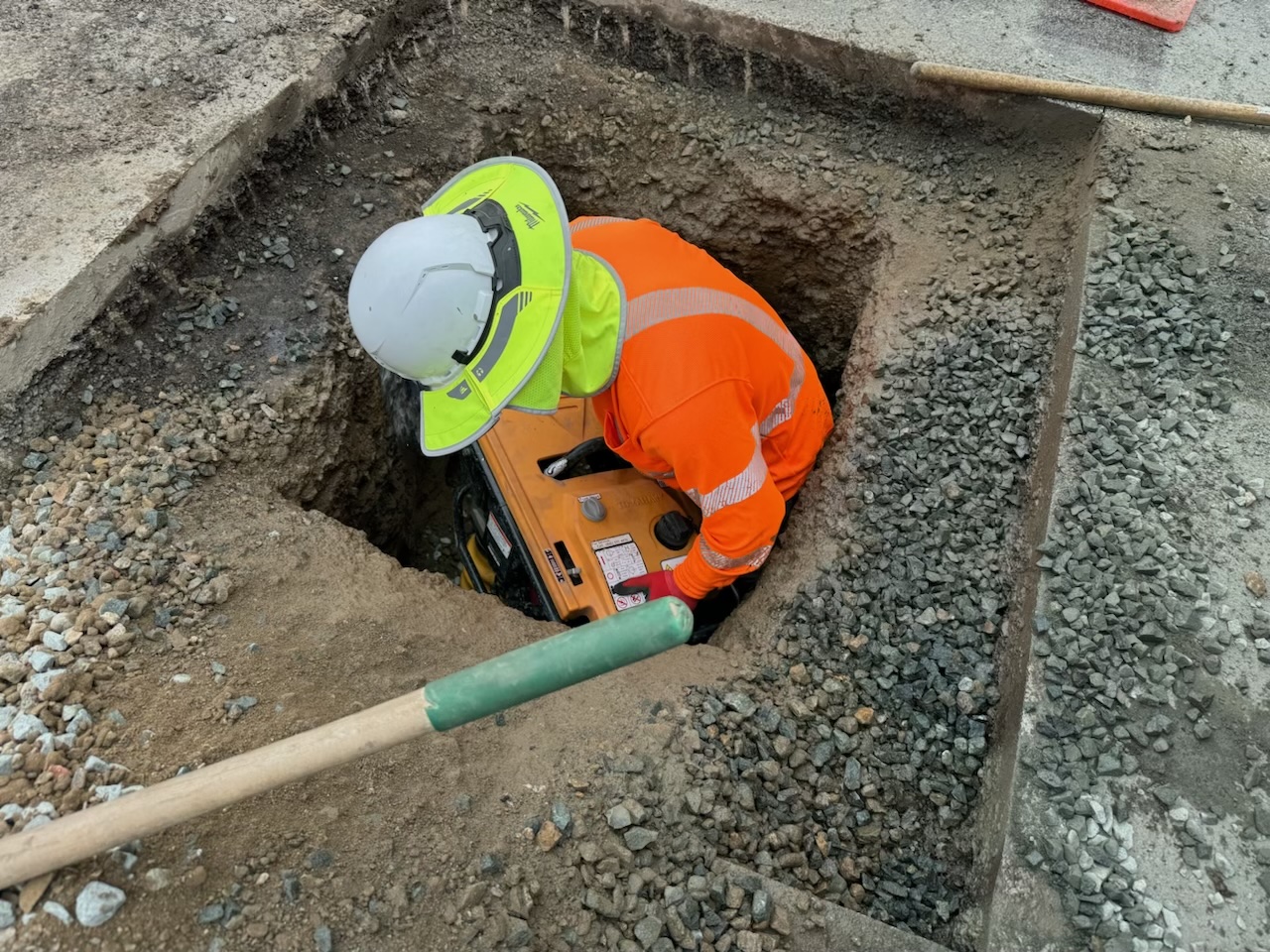
Quote & Plan
You receive a clear, itemized estimate with no surprises. We handle permits, coordinate with utilities, and schedule the crew around your timeline.
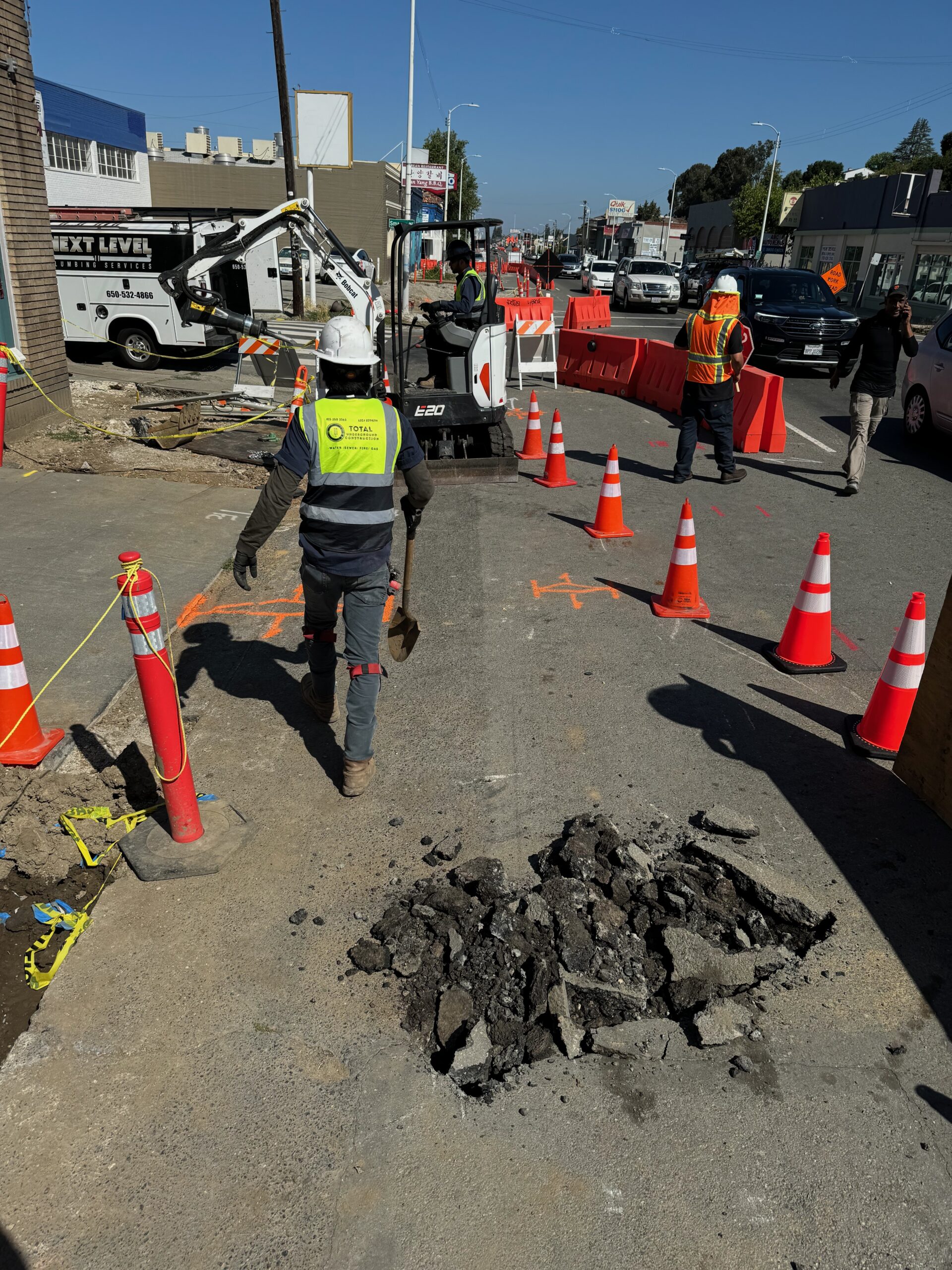
Service & Cleanup
Our self-performing crews complete the work to spec and code. Site is restored and cleaned up — we don't leave until the job looks right.
Coverage
Service Areas
Serving 10+ Bay Area counties from our San Leandro headquarters.
Alameda County
San Leandro · Oakland · Fremont · Hayward · Berkeley + 8 more
Contra Costa County
Walnut Creek · Concord · Richmond · Antioch · Pittsburg + 5 more
San Francisco
San Francisco
San Mateo County
Daly City · San Mateo · Redwood City · South San Francisco · Burlingame + 4 more
Santa Clara County
San Jose · Santa Clara · Sunnyvale · Mountain View · Palo Alto + 5 more
Napa County
Napa · American Canyon · St. Helena · Calistoga
Solano County
Vallejo · Fairfield · Vacaville · Benicia · Suisun City + 1 more
Sonoma County
Santa Rosa · Petaluma · Rohnert Park · Windsor · Healdsburg + 1 more
Get Started Today
Ready to Get Started?
Whether it's an emergency repair or a planned infrastructure project, Total UC is ready to mobilize. Call us now or submit your project details for a free estimate.
LIC # 1094194 A – General Engineering — Licensed, Bonded & Insured
Free Estimate
Request a Service
Describe your project and we'll get back to you within 24 hours.