Why Regular Sewer Line Inspections Are Essential
Residential plumbing infrastructure in San Leandro deteriorates over time due to wastewater pressure fluctuations, underground stress, mineral accumulation, frequent blockages, and root intrusion. Early detection through inspections prevents costly repairs.
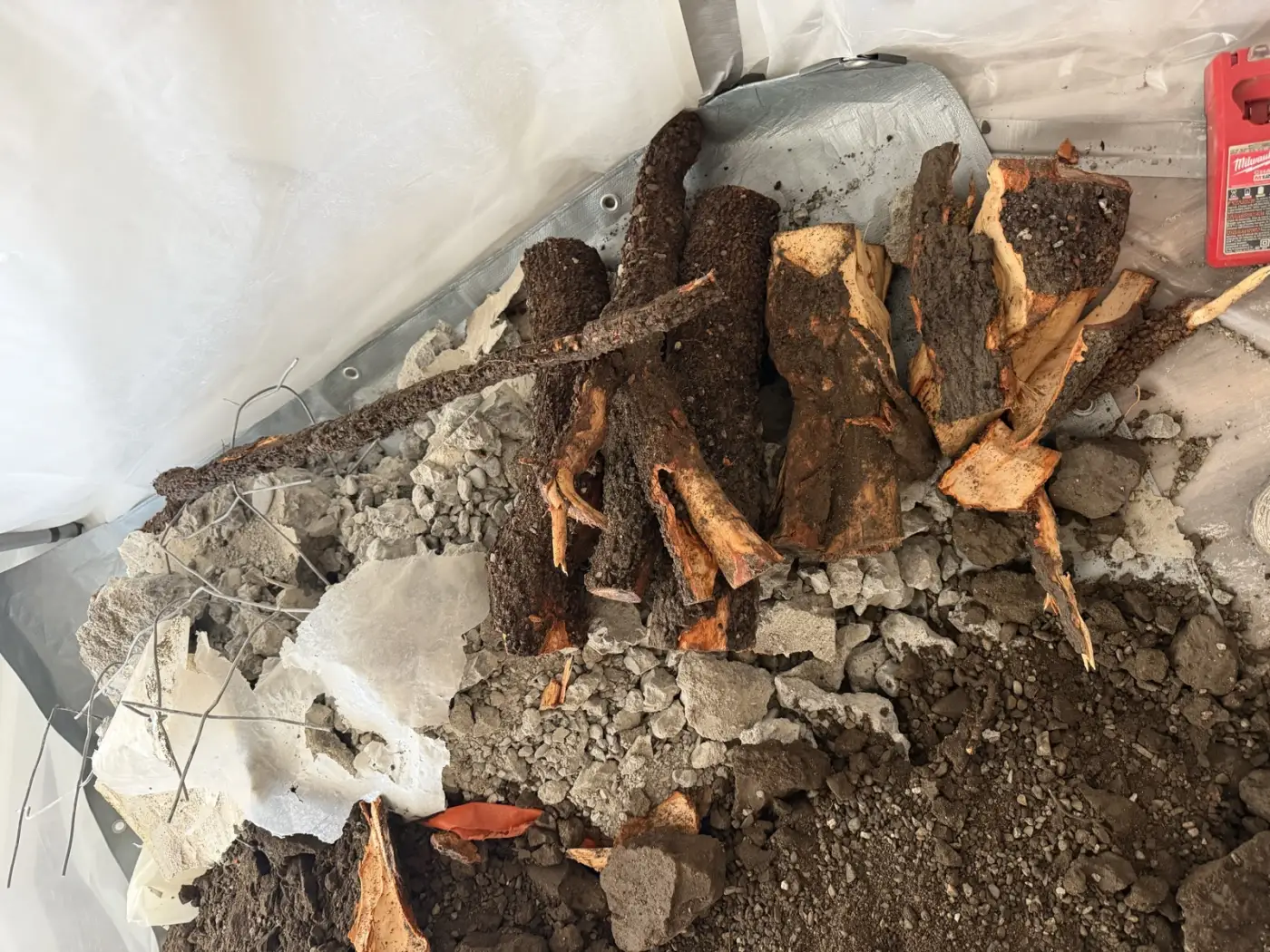
San Leandro faces distinctive sewer challenges. Aging infrastructure—many homes built in the 20th century contain clay or iron-cast pipes—creates vulnerability. Root intrusion affects old clay tiles with cracks. The region’s moderately hard water deposits minerals that create hardened clogs within pipes.
Top Benefits of Sewer Line Inspections
1. Prevent Costly Repairs
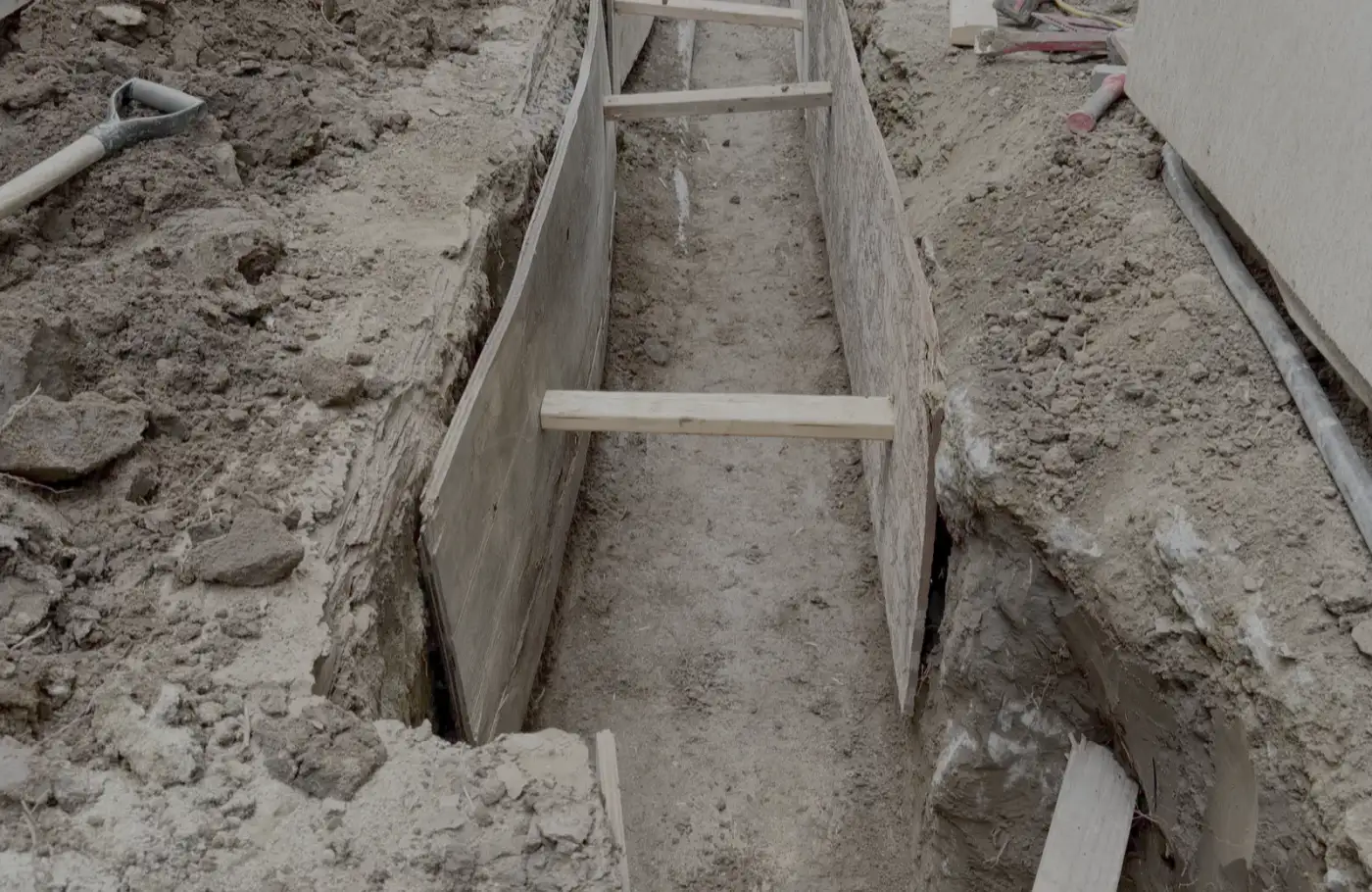
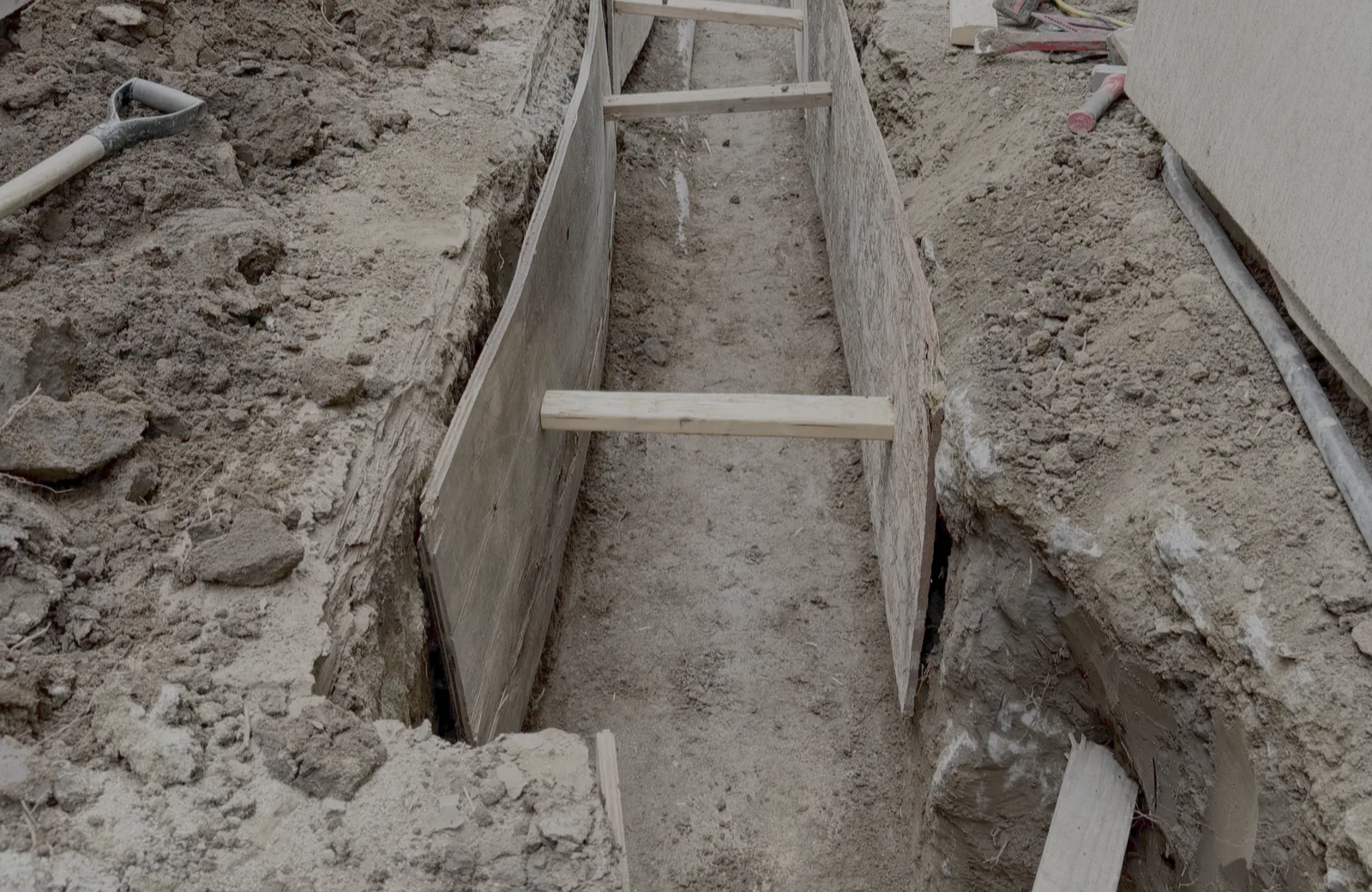
Professional inspection cameras reveal pipe conditions in high definition, identifying cracks, corrosion, tree intrusion, and buildup. Early intervention catches problems at nascent stages, avoiding extensive damage. Routine inspections cost $500-$1,000, whereas full sewer replacement ranges $60-$250 per linear foot.
2. Protect Property Value
Sewer line inspections document pipe conditions and demonstrate compliance with local plumbing codes. Potential buyers favor homes with documented efficient sewer systems, supporting negotiation leverage during property sales.
3. Address Tree Root Intrusion
Roots grow toward water sources, infiltrating damaged older pipes. Hydro jetting—applying 7,000-40,000 psi pressurized water—removes invasive roots, with manual cutting available for stubborn cases.
4. Comply with Local Regulations
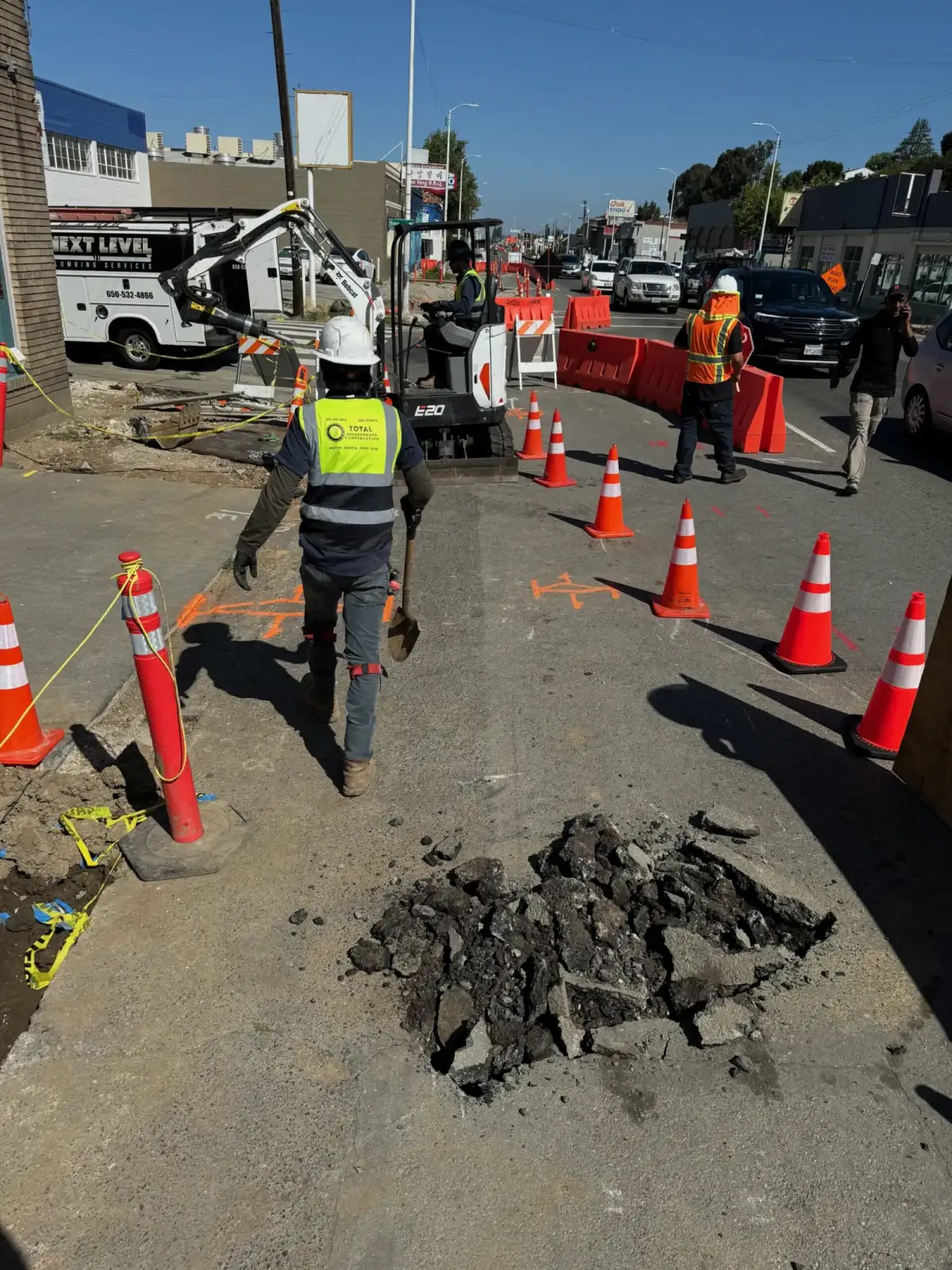
San Leandro ordinances mandate homeowners maintain sewer lines in proper working condition. Professional plumbers conduct inspections and obtain required permits for repairs.
How Sewer Line Inspections Work
Plumbers insert waterproof high-definition cameras on flexible rods through cleanouts or small access holes. The camera captures video footage showing cracks, fissures, root intrusion, corrosion, scum, mineral buildup, and blockages. Plumbers diagnose conditions and recommend rehabilitation solutions.
Benefits of Inspection
- Minimal excavation saves costs
- Reduced downtime
- Eliminates fine/lawsuit risks via code compliance
- Prevents emergencies
- Reduces overflow and leak risks
- Lowers rehabilitation expenses
FAQs
How often should inspections occur?
Every 1-2 years, or more frequently with renovations.
What signs indicate needed inspection?
Overflows, slow drains, foul odors, yard wet spots, interior mold/mildew, damp walls/floors, toilet/sink backups.