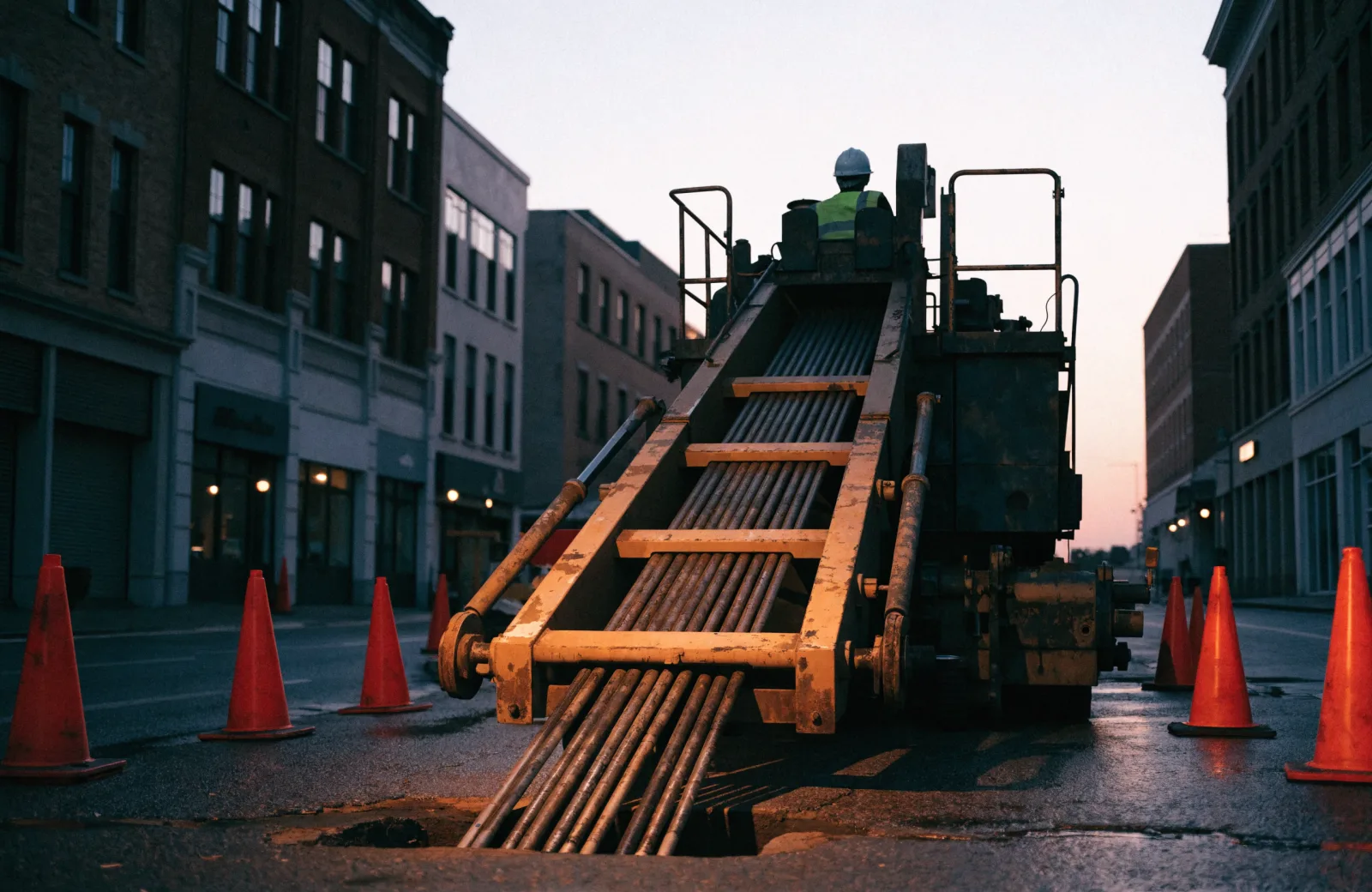
Working in underground construction across the San Francisco Bay Area means navigating one of America’s most densely packed utility networks. When excavation begins without accurate subsurface information, accidents and project delays become nearly inevitable.
What Is Subsurface Utility Engineering?
SUE is a specialized civil engineering practice that investigates and documents existing underground utilities before construction. Unlike basic locating, SUE employs multiple detection methods and adheres to ASCE 38-02 quality standards to deliver “engineering-grade data.”
SUE Quality Levels
The Federal Highway Administration organizes SUE data into four tiers:
- Level D: Uses existing records; general planning only
- Level C: Correlates records with visible features; useful for rural projects
- Level B: Uses geophysical methods to map utility positions
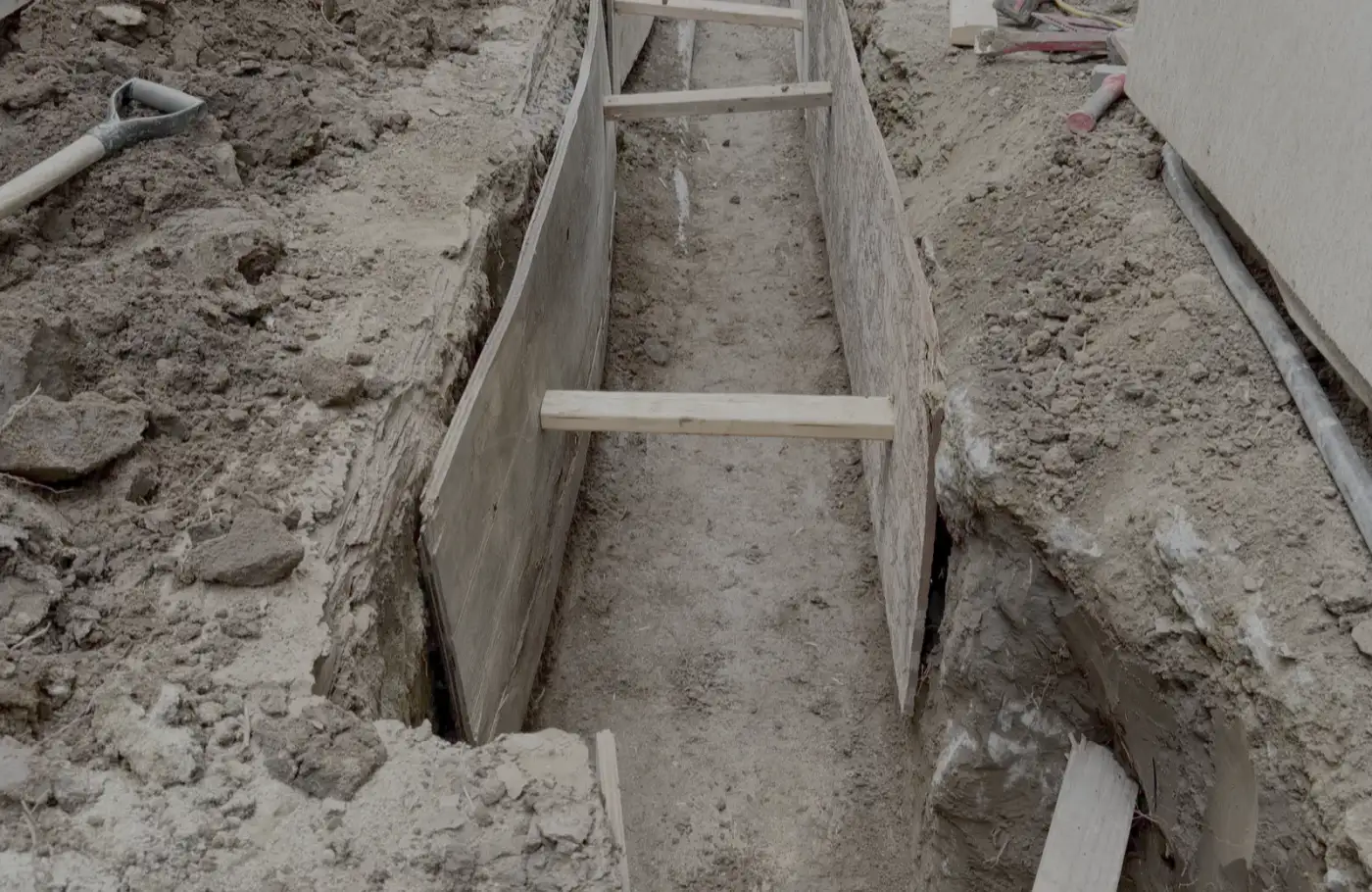
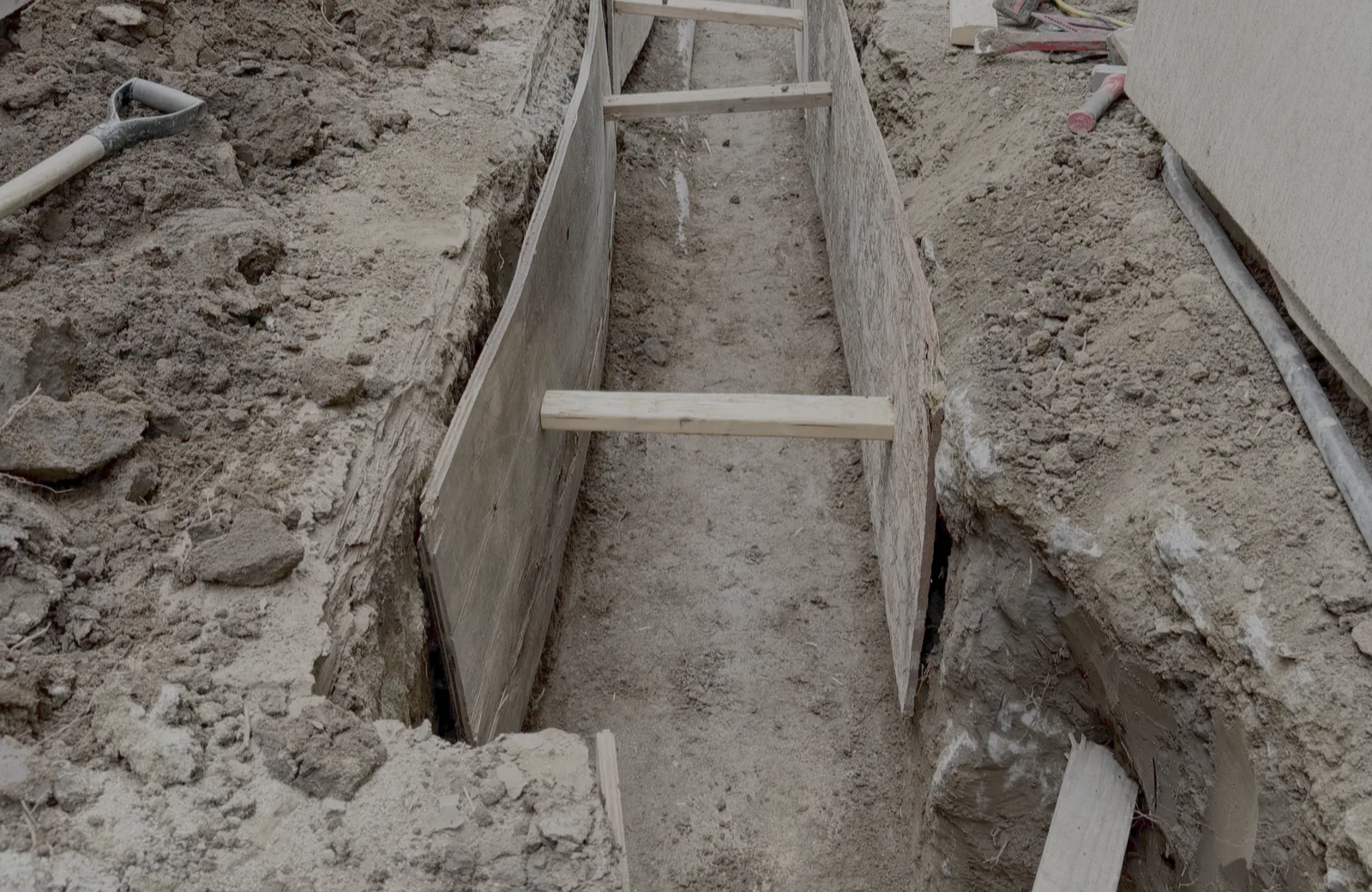
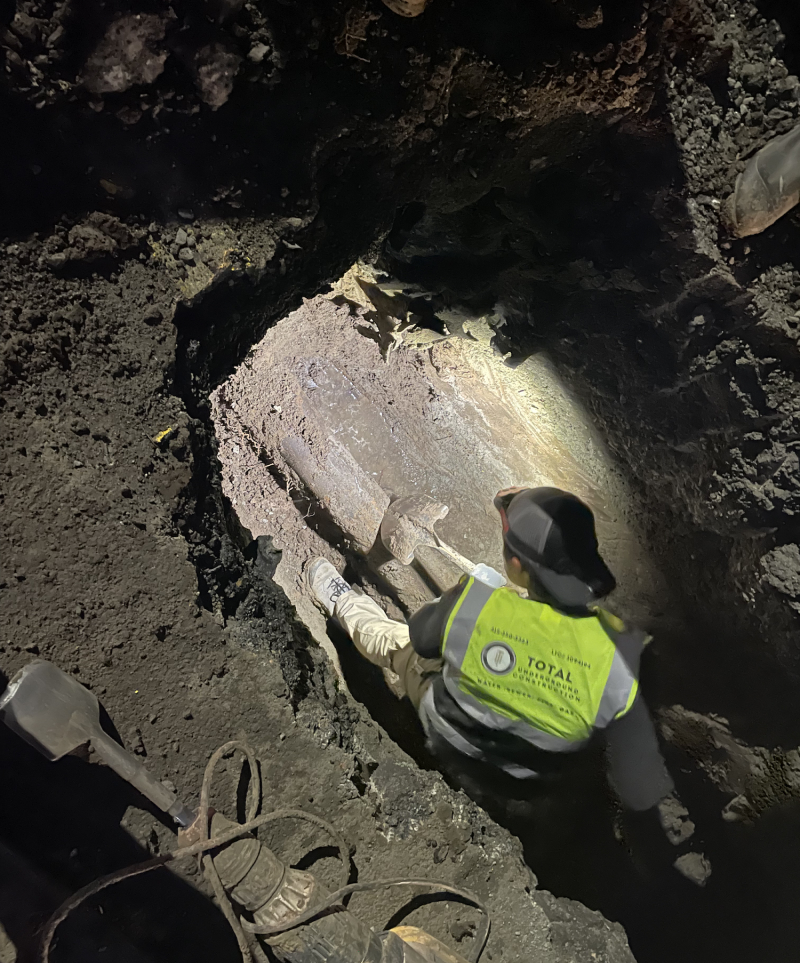
- Level A: Physical exposure via vacuum excavation for exact confirmation
Why SUE Matters for Bay Area Projects
Safety
Accurately locating utilities prevents strikes and associated injuries.
Cost Savings
A Purdue University study found every dollar invested in SUE yielded $4.62 in construction savings, with some programs reporting returns as high as $18 per $1 spent.
Design Quality
Detailed utility data enables engineers to optimize layouts and avoid conflicts.
Regulatory Compliance
Many municipalities require SUE documentation before issuing excavation permits.
The SUE Process
- Planning and records review
- Non-destructive locating using electromagnetic and radar detection
- Preliminary mapping (Quality Level B)
- Physical verification via hydro excavation (Quality Level A)
- Data analysis and CAD/BIM integration
- Comprehensive reporting with recommendations
SUE vs. Basic Utility Locating
SUE produces engineering-grade documentation following established standards, whereas basic locating provides limited documentation using single detection methods.
Choosing a SUE Provider
Look for:
- ASCE 38-02 certified technicians
- Combined detection technologies (electromagnetic, GPR, hydro excavation)
- Comprehensive CAD/BIM documentation
- Strong safety protocols
- Local Bay Area expertise
Final Thoughts
Subsurface Utility Engineering offers proactive risk management through advanced detection and standardized quality levels, resulting in safer excavation, fewer delays, and better project outcomes.