Introduction
Underground fire line services play a vital role in protecting buildings from fire hazards by ensuring reliable water supply to sprinkler systems and hydrants. These services are essential for residential and commercial properties.
What Are Underground Fire Line Services?
Underground fire line services encompass “inspection, installation, repair, and maintenance of underground piping that supplies water to fire suppression systems.” This includes hydrant testing, flow testing, and fire emergency response capabilities.
Key benefits include:
- Promoting fire safety and preventing damage
- Protecting occupants from injuries and loss of life
- Improving public safety
- Preventing costly financial losses
- Ensuring compliance with local fire codes
The Role in Building Safety
These services ensure “an immediate, steady water supply to fight fire” by connecting pipes to storage tanks or water mains. They enable sprinkler systems to automatically activate when detecting elevated temperatures, minimize property damage, and boost occupant safety through adequate warning and suppression systems.
Key Components
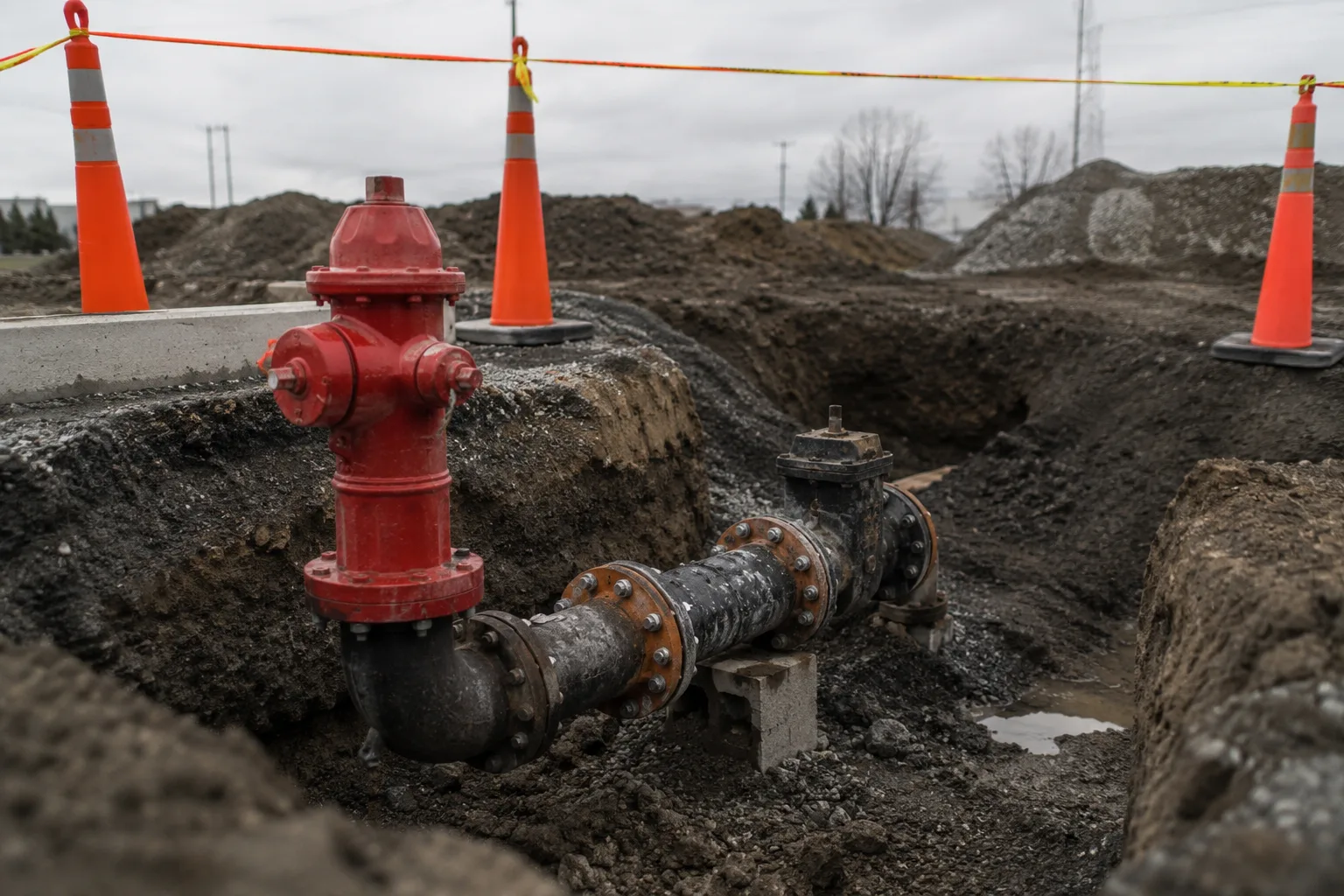
Fire Hydrants
- Connection points for water access to combat fires
- Available in wet (freezing-free areas) and dry (freezing areas) types
- Include outlets, monitors, check valves, nozzles, and standpipes
Mains
- Conduct water from supply sources to sprinkler heads or hydrants
- Made from ductile iron, PVC, cast iron, or corrosion-resistant steel
Valves
- Stop valves: prevent water entry when sprinkler fails
- Control valves: regulate water flow
- Alarm valves: allow water into alarm lines
- Alarm check valves: test sprinkler systems
Sprinkler Heads
- Heat-sensitive valves that open when temperatures rise
- Include deflectors, nozzles, and sealing mechanisms
Additional Components
- Alarm systems for fire detection alerts
- Pressure gauges for monitoring water pressure
- Pressure switches that notify authorities when activated
Installation & Maintenance Best Practices
9-Step Installation Process
- Preliminary Assessment - Evaluate building layout and fire hazards
- Design Planning - Create custom fire protection design
- Permits Approval - Obtain local fire inspector approval
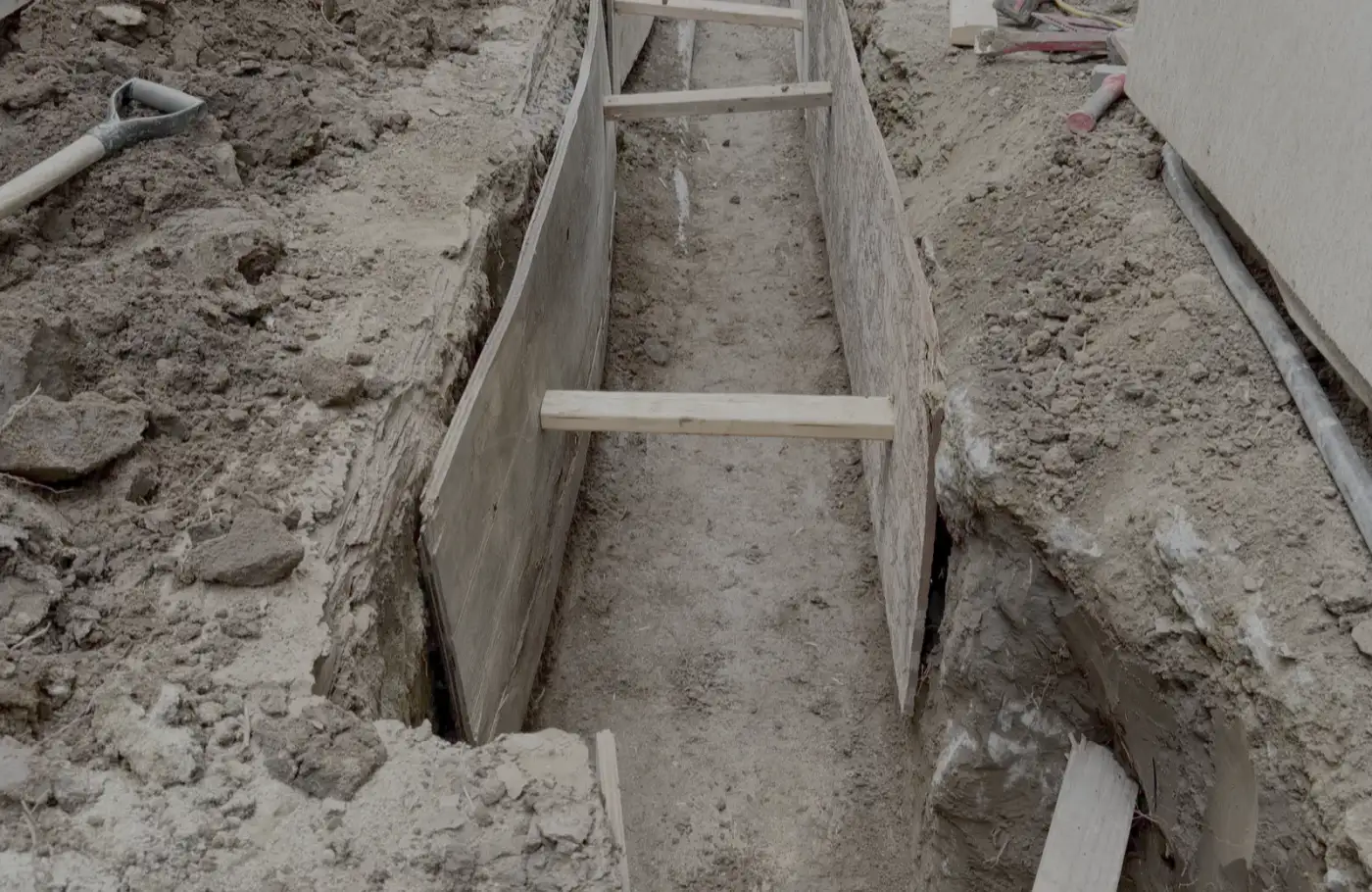
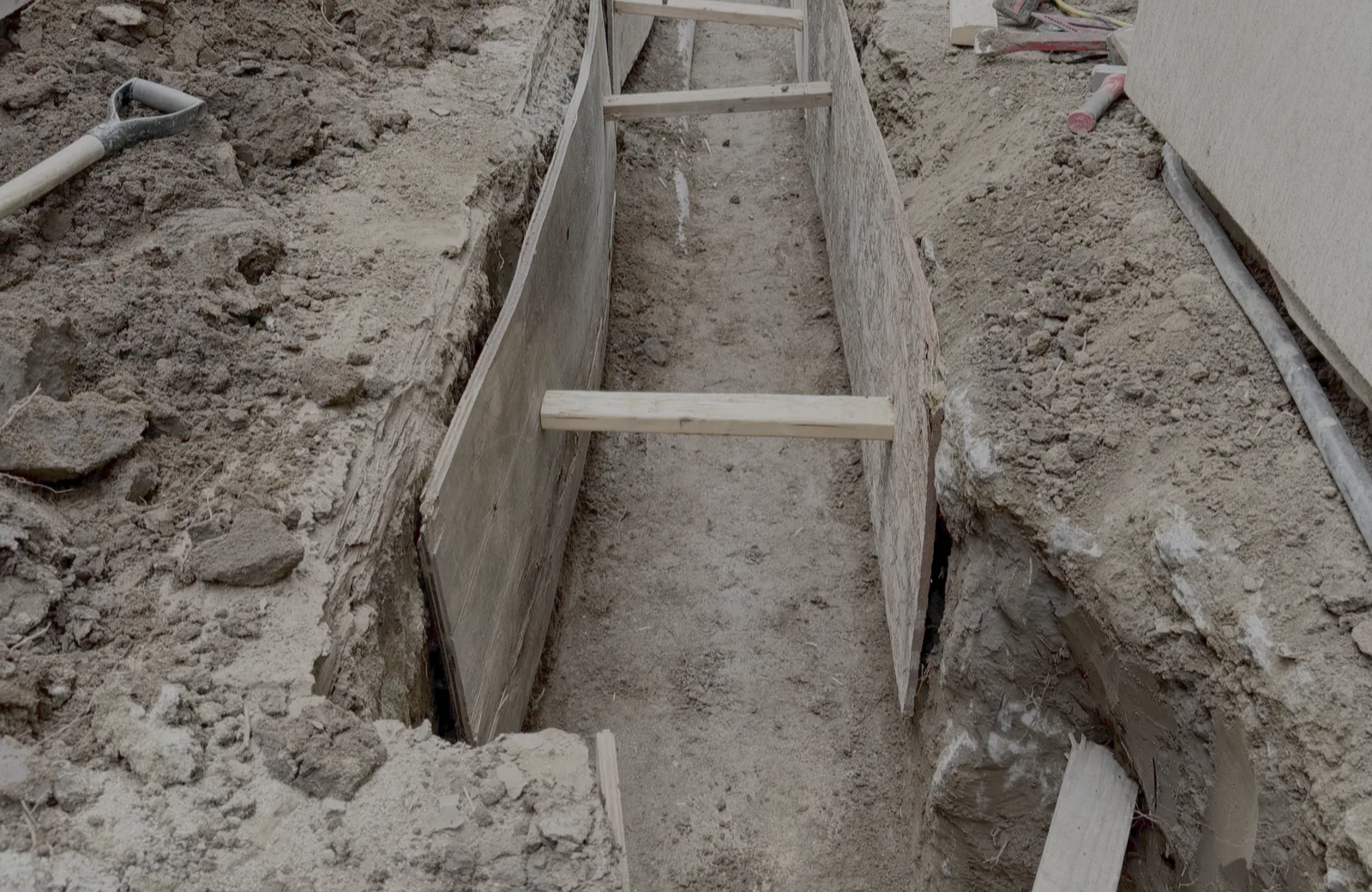
- Components Installation - Trench, lay pipes, mount sprinkler heads
- Connections & Wiring - Connect water supply and electrical components
- Integration - Link fire system with security and HVAC systems
- Inspection and Testing - Test system reliability and inspect for damage
- Approval Phase - Schedule fire marshal inspection
- Maintenance - Schedule periodic professional inspections
Why Choose Professional Fire Line Services
- Detailed service: Comprehensive installation, inspection, and maintenance
- Efficiency: Minimal disruption with expert knowledge
- Compliance: Understanding of local building codes and fire safety standards
- Safety: Proper equipment and expertise for safe installations
- Reliability: Prevents component failures through proactive maintenance
- Cost savings: Addresses issues early to avoid expensive repairs
- Advanced technologies: Digital sprinkler systems, integrated alarms, cloud-based monitoring
FAQs
Inspection Frequency
Underground fire lines should be inspected annually to ensure compliance with local standards and the NFPA 25 guidelines.
Signs of Damage
Watch for visible leaks, low water pressure, false alarms, corroded pipes, rusty sprinkler heads, strange noises, and faulty control valves.
Trenchless Repair
Yes, “trenchless fire line repair techniques offer minimal disruption” through methods like epoxy pipe lining within existing conduits.