What is Hydro Jetting?
Hydro jetting employs high-pressure water bursts to dislodge and expel drain blockages. Operating at pressures between 7,000 and 60,000 psi, this technique effectively removes both minor obstructions like grease and hair, as well as significant blockages such as tree roots and mineral deposits.
Equipment Overview
The jetting system includes a pressurized hose, specialized nozzle, water tank, video inspection camera, rotating nozzle, and pressure gauge. The camera identifies pipe obstructions and defects, while the rotating nozzle flushes pipes and the pressure gauge monitors optimal pressure levels.
Process Overview
- Step 1 – Video Inspection: Plumbers direct a camera along the obstructed sewer line to determine blockage type and severity.
- Step 2 – Nozzle Directing: The jetter is positioned into the plugged sewer line.
- Step 3 – High-Pressure Application: High-pressure water penetrates clogs and cleans inner walls.
- Step 4 – Last Inspection: A final video inspection confirms successful cleaning.
How Hydro Jetting Prevents Sewer Backups
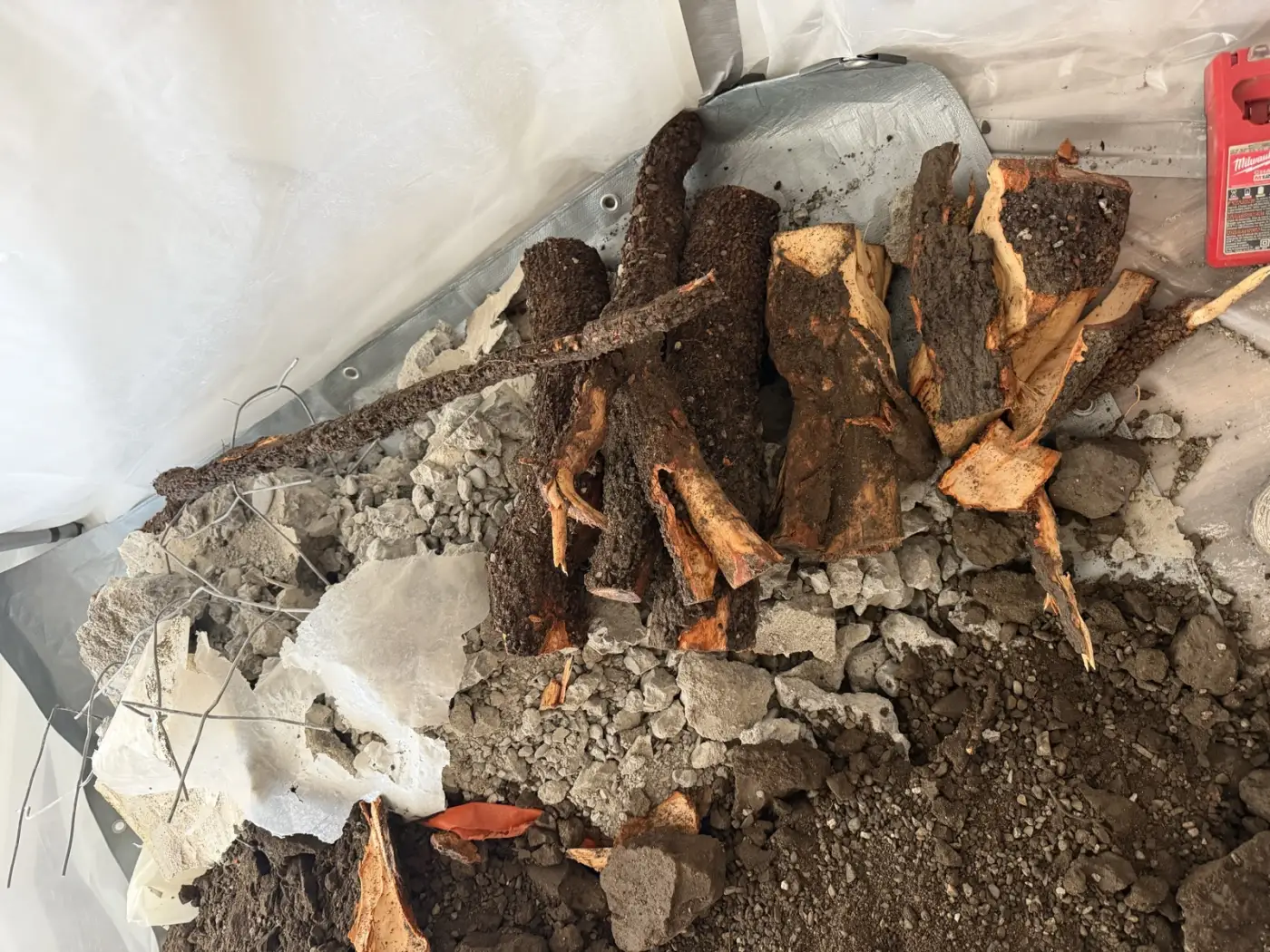
Hydro jetting eliminates grease, debris, tree roots, and blockages that cause water backflow. By cleaning inner walls, it prevents rapid re-clogging and restores pipes to original diameter and capacity, allowing wastewater to drain without obstruction.
Key Benefits of Hydro Jetting
1. Thorough Cleaning
Unlike drain snaking, hydro jetting cleans interior pipe walls completely, preventing blockages from quickly reforming. This provides long-term drain maintenance superior to traditional methods.
2. Environmentally Friendly
The technique relies on high-pressure water rather than chemicals, making it a non-invasive, eco-friendly solution that doesn’t require excavation or hazardous waste disposal.
3. Cost-Effective Maintenance
Regular hydro jetting prevents expensive emergency repairs from sewage backups. For sourced price ranges, from a single home sewer line to a restaurant grease line, see our hydro jetting cost guide.
When to Use Hydro Jetting
- When other drain cleaning methods fail
- During persistent or recurring clogs
- When experiencing wastewater backup
- When pipes produce gurgling sounds
- Signs include yard water pooling, receding toilet bowl water, tree root intrusion, old corroded pipes, or fruit fly infestations
FAQs
Is hydro jetting safe for all pipe types?
Hydro jetting is safe for modern plumbing systems using PVC or high-density polyethylene, which withstand high water pressure effectively.
How often should hydro jetting be performed?
Professionals recommend annual hydro jetting, though frequency depends on usage and pipe condition. Older systems may require more frequent treatment.
Can hydro jetting remove tree roots?
Yes, hydro jetting efficiently cuts through small tree roots, preventing further growth and clearing existing blockages without requiring excavation.