A clogged toilet is one of the most inconvenient plumbing problems a homeowner can face. Before you call a plumber, try these professional techniques to clear the blockage yourself.
Understanding the Mechanics of a Toilet
Before attempting repairs, understanding how toilets function is essential. Standard gravity-flush designs operate through a straightforward sequence: a lever with a chain attached lifts a valve, releasing the tankful of water into the bowl. Water pressure then forces waste through the curved trap pipe into the house drain system.
Common clog causes include:
- Excessive toilet paper usage
- Non-flushable items blocking pipes
- Insufficient water pressure in low-flow models
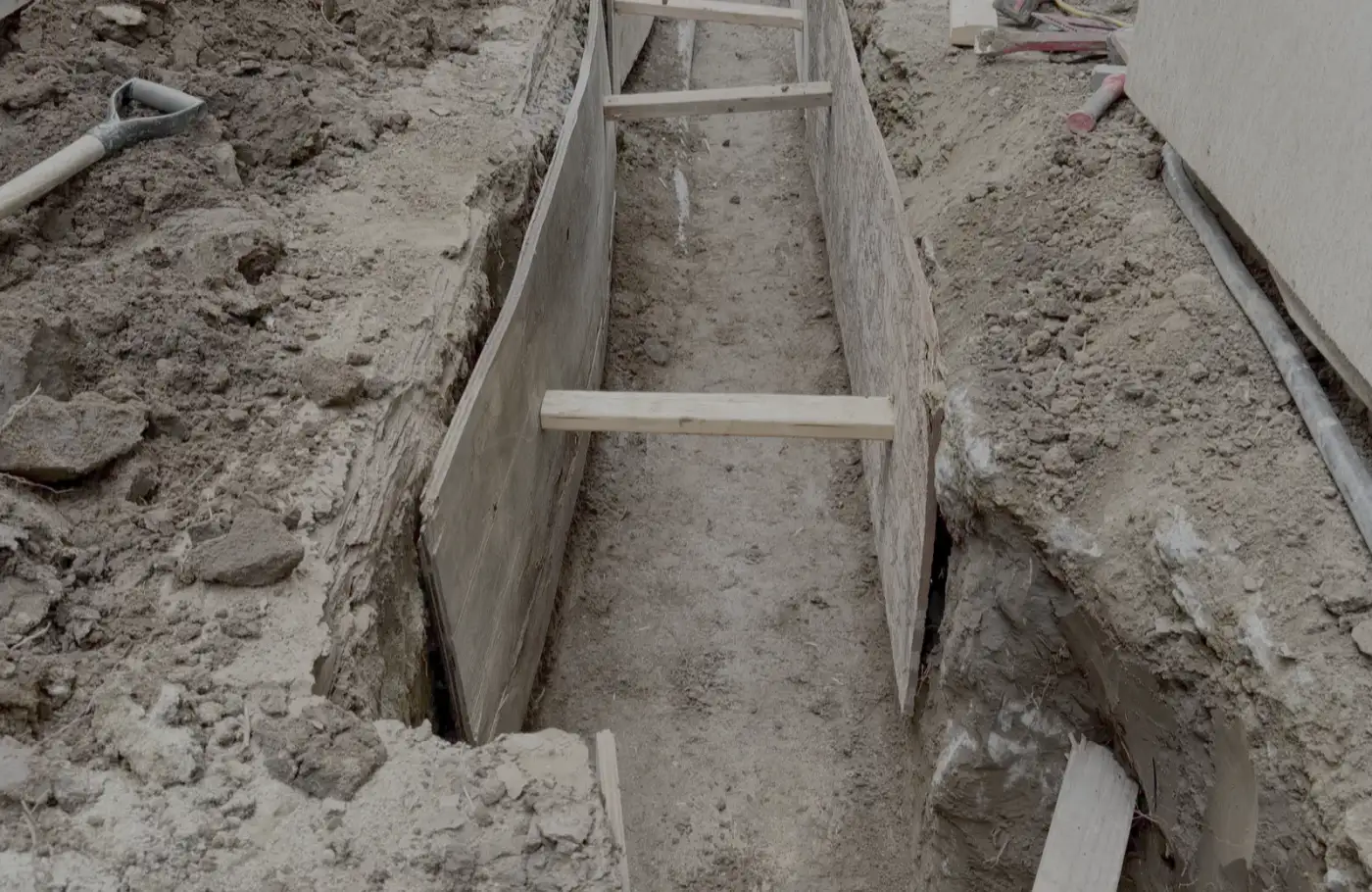
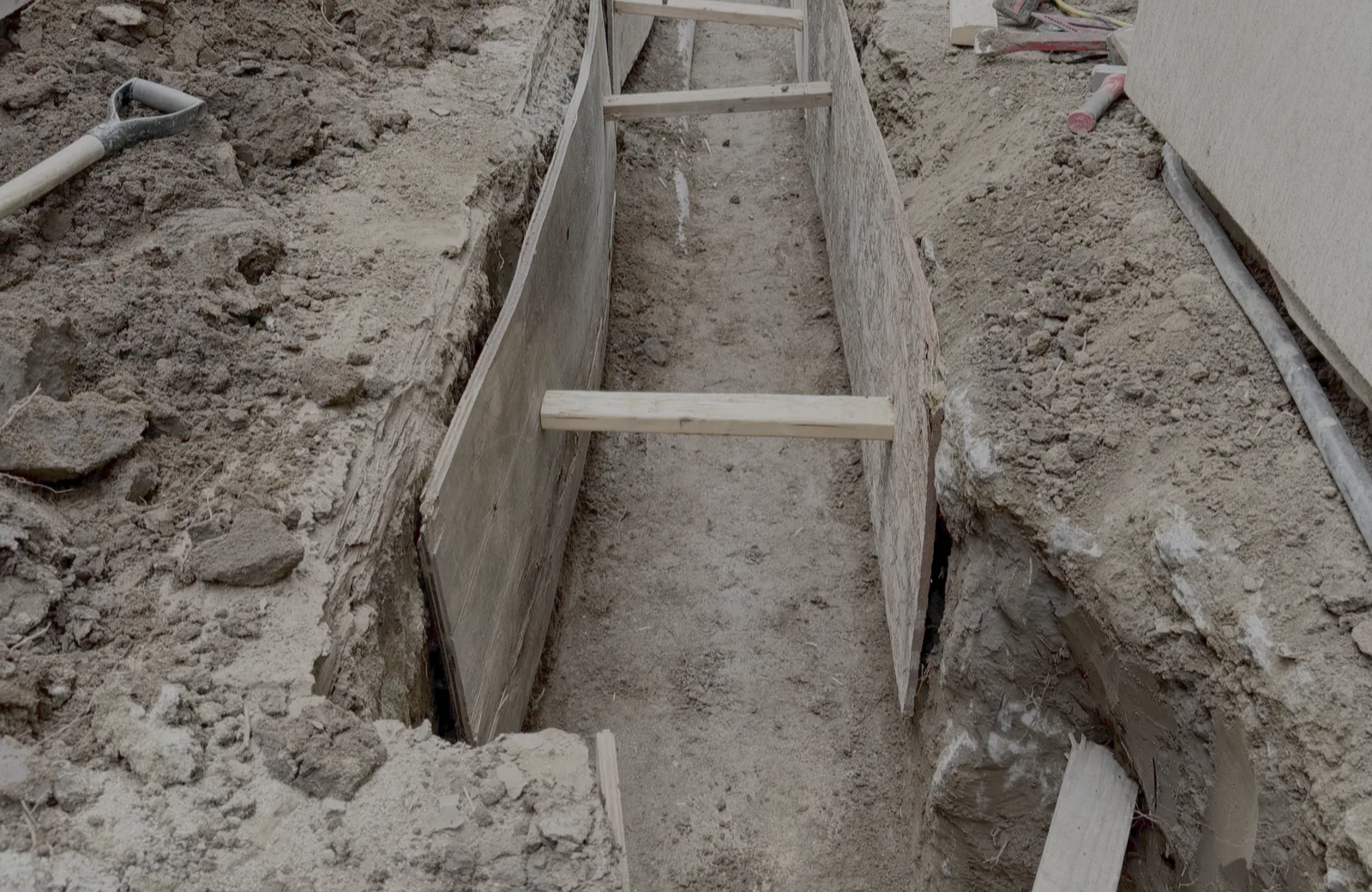
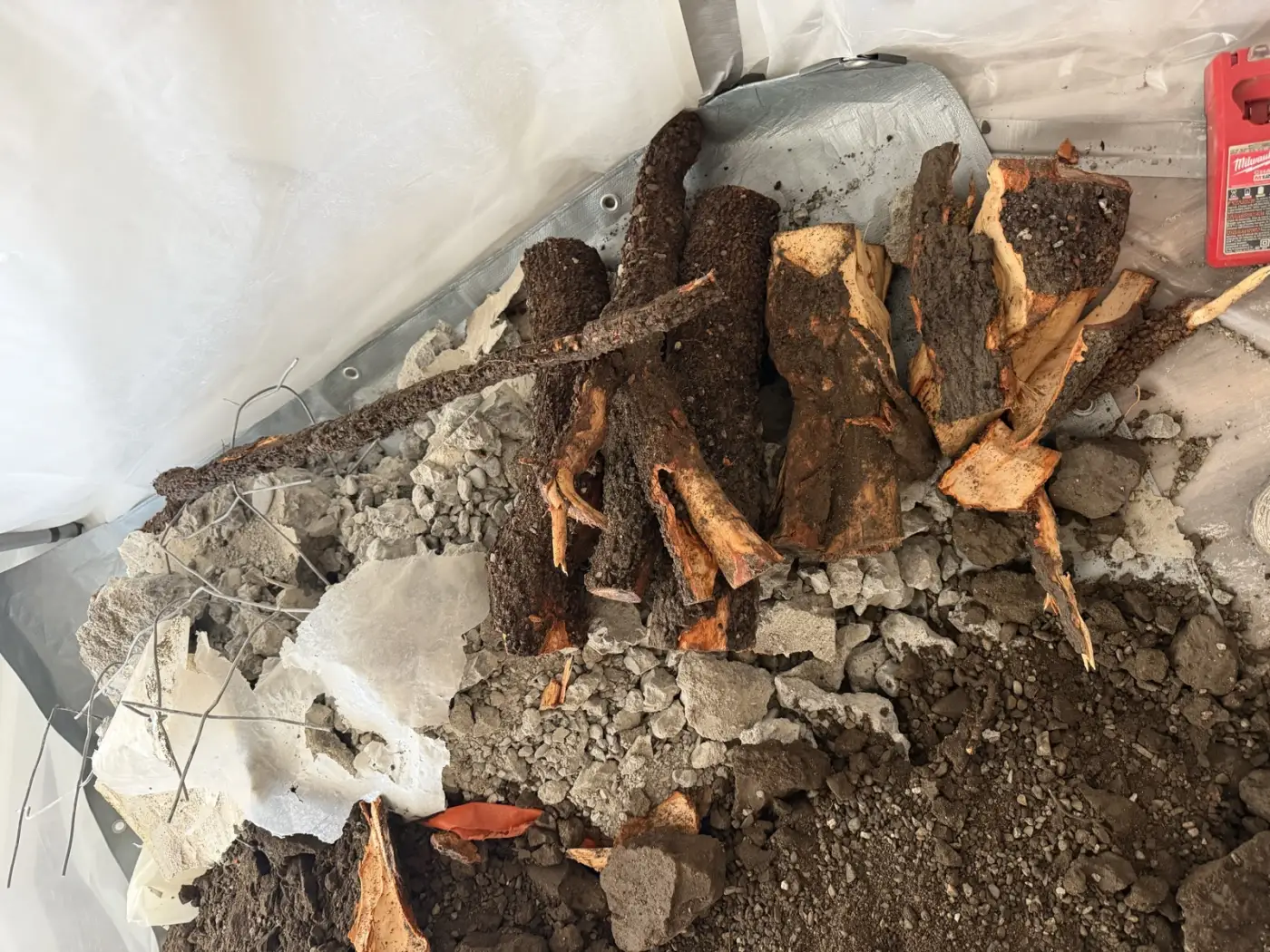
- External pipe blockages from tree roots
Essential Unclogging Tools
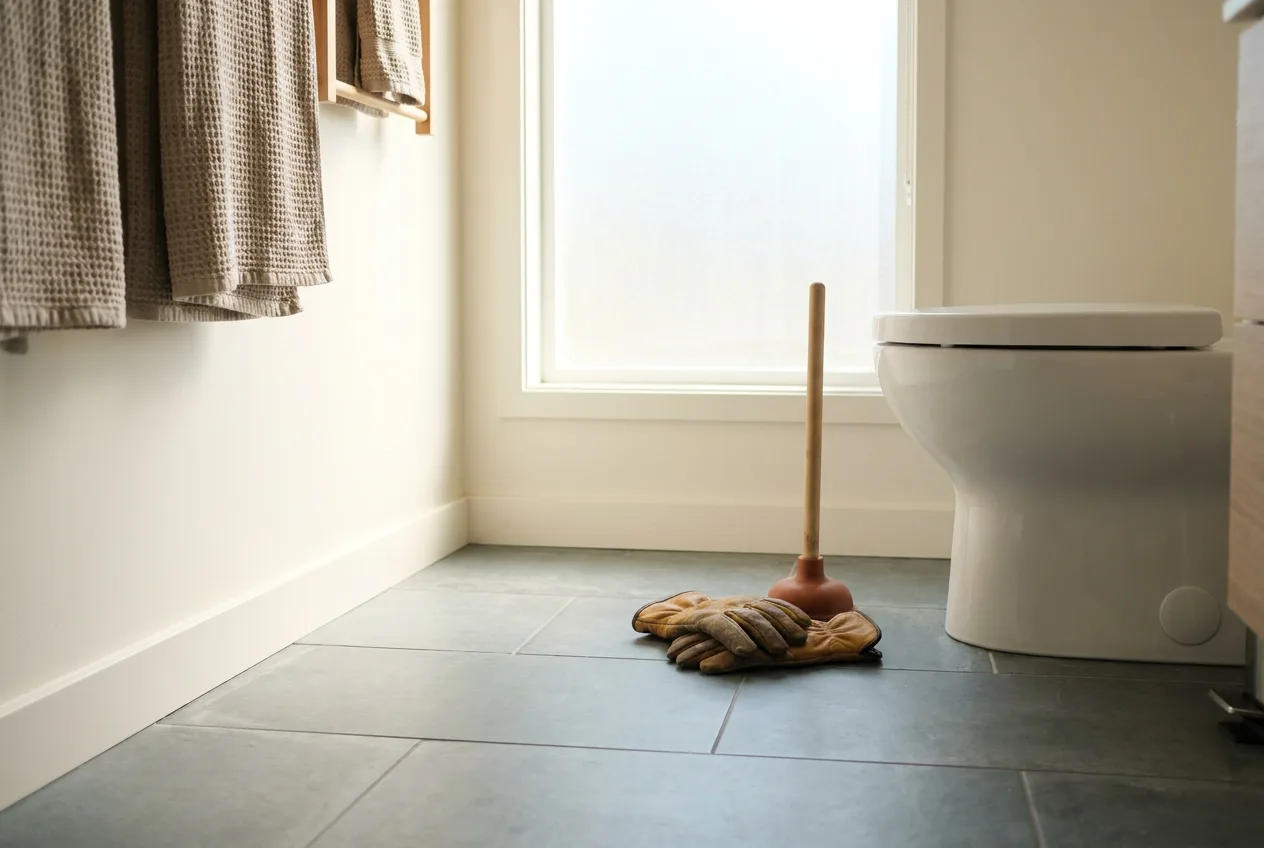
- Plunger (flange style recommended)
- Toilet auger
- Enzyme waste-removal products
- Protective gloves and glasses
Tip #1: Correct Plunger Use
Toilet plungers differ from standard sink plungers. The flange design creates better suction. Ensure adequate water coverage, position correctly over the drain, and use smooth, forceful pushing motions without breaking the seal.
Tip #2: Toilet Auger Method
This flexible metal cable tool works on stubborn blockages. Insert the curved end into the trap, crank gradually in both directions, and flush to verify results.
Tip #3: Enzyme-Based Products
Enzymes break down organic wastes (not un-flushable objects) to clear blockages. These work slowly, making them better for maintenance than emergencies.
Tip #4: Hot Water Technique
Pour hot (not boiling) water into the bowl after removing some existing water. Wait a few minutes for heat to soften minor clogs, then flush.
Tip #5: Dish Soap Method
Dish soap is denser than water, so it sinks and lubricates blockages. Add one cup to the bowl, wait 30 minutes, then flush.
Tip #6: Wire Coat Hanger
Straighten a hanger and gently feed it into the trap. Note: this method risks scratching porcelain surfaces.
Tip #7: Baking Soda and Vinegar
Combining these creates fizzing foam that loosens clogs. Add one cup baking soda, one cup vinegar, wait 15 minutes, then pour hot water and flush.
Tip #8: Wet/Dry Vacuum
Remove the filter and bag, extract bowl water, then use the nozzle to suction blockages directly.
Tip #9: Avoid Drain Snakes on Toilets
While functional, drain snakes scratch toilet porcelain. Toilet augers are the specialized alternative for this fixture type.
Tip #10: When to Call Professionals
Seek expert help when:
- DIY methods fail after multiple attempts
- Clogs recur frequently
- Main sewer issues exist
- Brown water backs up into other fixtures
Prevention Strategies
Proper Usage
- Flush only digestive waste and toilet paper
- Use moderate amounts per flush
- Discard facial tissues in trash
Regular Maintenance
- Clean weekly or three times weekly for larger households
- Inspect tank components semi-annually
- Schedule professional inspections annually
Never Flush
- Hair or pet fur (creates catching nets)
- Paper towels (resist degradation)
- Personal hygiene wipes (despite marketing claims)
- Cotton swabs, dental floss, or gum
- Cat litter (clumps with moisture)
Contact Total UC for professional toilet repair and drain cleaning services throughout the Bay Area.