What is a Backflow Device?
When water enters your property, it should flow in one direction—toward your property. However, water can flow backward at various points, potentially contaminating potable water with human waste, soaps, chlorine, or fertilizers.
Definition of a Backflow
Backflow in plumbing represents “the movement of water against its intended flow.” These incidents are common, though often undetected. Cases of bacteria contamination, sewage leakage, or chemical seepage occur when conditions allow reverse water movement. Property owners must ensure their plumbing systems remain free from backflow by working with certified professionals.
What Causes Backflow?
According to the American Backflow Prevention Association, backflow requires three conditions:
- Direct and indirect cross-connections
- Back pressure and back siphonage
- Possibility of contamination
Primary culprits include:
- Excessive Fire Hydrant Use – Firefighting disrupts pressure between plumbing systems and main water supply
- Water Pumps – Boreholes or similar pumps can exceed main line pressure
- Breaks in Main Water Lines – Municipal pipe failures lower pressure, creating siphoning effects
- Plumbing Overhaul – System draining during repairs creates temporary pressure variations
- Heat Expansions from Boilers – Water expansion in closed systems generates pressure fluctuations
- In-House Pressure Variations – Fixtures generating excessive pressure cause backflow
Potential Backflow Sites In Your Home
- Bathrooms/Washrooms – Multiple faucet cross-connections create vulnerability
- Kitchens – Washing machines and garbage disposals present cross-connection risks
The Dangers of Backflow
Backflows infiltrate potable water with biological and chemical contaminants, risking waterborne disease or chemical poisoning. Garden hoses can siphon pesticides; toilets introduce contaminants with each flush; swimming pools introduce chlorine into main pipes. Professional installation of preventive systems is essential.
The Backflow Prevention System
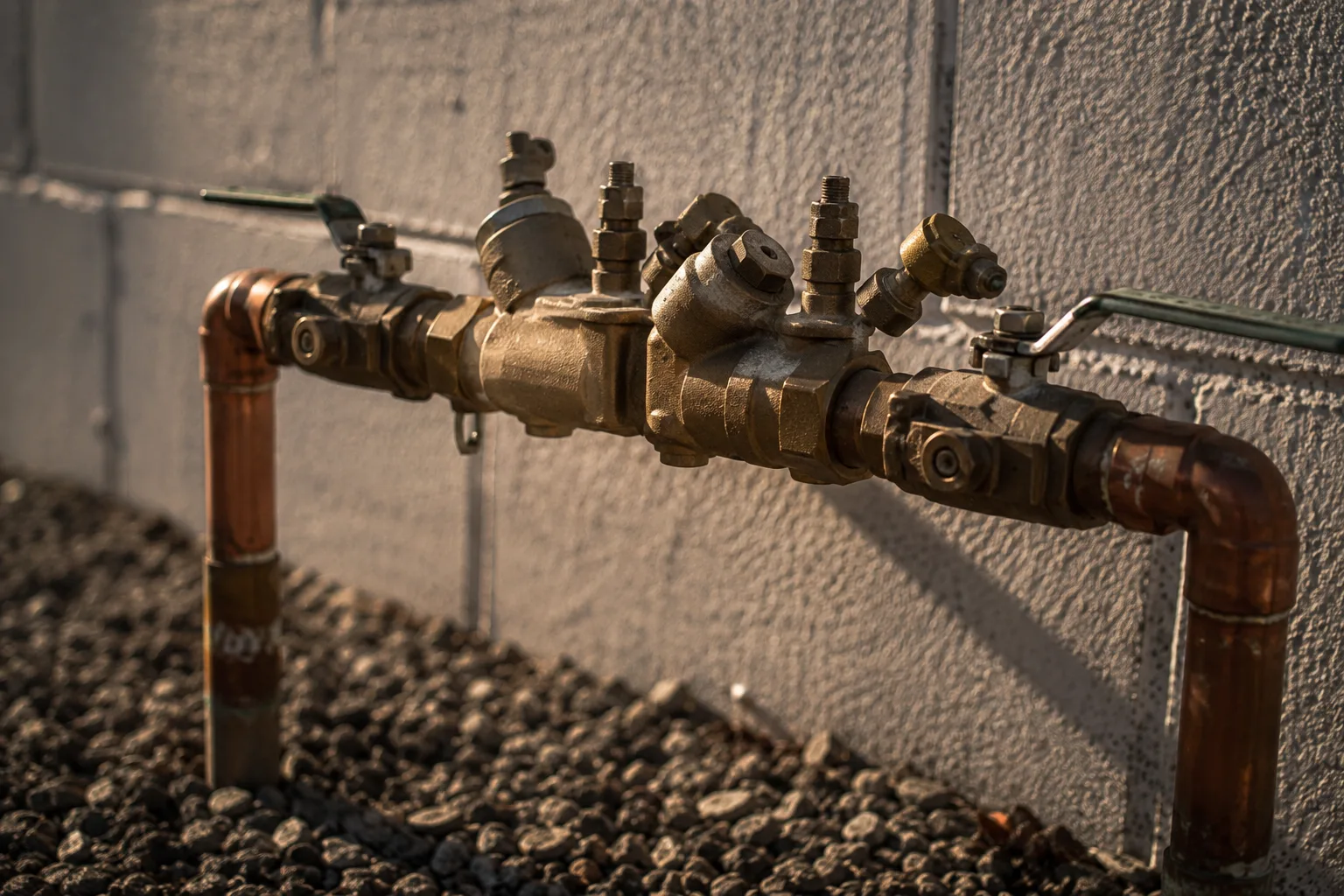
This system maintains vital interfaces between cross-connections, containing water despite pressure fluctuations. Professional assessment determines appropriate devices based on local codes and contamination type.
Prevention Devices and Techniques
- Air Gaps – Vertical space between outlet and receiving vessel creates air barrier
- Atmospheric Vacuum Breaker – Prevents back siphonage with air inlet valve and check seat
- Backflow Prevention Valves – Installed in vulnerable areas; require regular inspection
- Hose Bib – Traditional device maintaining unidirectional flow
- Pressure Vacuum Breaker – Prevents pressure variation in underground sprinkler systems
- Double Check Valves (DCV) – Two spring-loaded valves for non-health-related contamination
- Reduced Pressure Zones (RPZ) Device – Advanced DCV with hydraulic relief valve for high-risk areas
Work With Professional Plumbers
Backflows pose serious contamination risks. Professional plumbers ensure compliance with plumbing codes and proper system installation through expert assessment and maintenance.