Fraud Blocker

Underground Construction Safety & Regulations: What Bay Area Residents Should Know

Why Underground Construction Isn’t Just Digging Dirt

Underground construction plays a vital role in maintaining and upgrading the Bay Area’s infrastructure—from replacing sewer lines to installing water mains and building utility tunnels. But beneath the surface lies a complex network of city codes, safety hazards, and regulatory requirements that homeowners and contractors must understand. Whether you’re a homeowner planning to replace a sewer lateral or a developer managing a larger excavation project, ignoring safety or regulatory requirements can result in hefty fines, failed inspections, or worse—unsafe conditions that endanger your property and others. This guide breaks down the most important underground construction safety and regulatory standards specific to the Bay Area, so you can approach your project with confidence and clarity.

Common Types of Underground Construction Projects in the Bay Area

  • Sewer line replacement or repair
  • Trenchless pipe bursting or relining (CIPP)
  • Fire line installation
  • Stormwater drainage systems
  • Water main upgrades
  • Foundation drainage or utility trenching for ADUs and new construction

Pro Tip: Even seemingly “simple” trenching jobs for irrigation or electrical conduit require permitting in many Bay Area cities.

Required Permits for Underground Construction

City/County Excavation Permits

Nearly every Bay Area municipality requires a permit before you dig, even on private property. These permits cover:

  • Utility trenching
  • Sewer lateral connections
  • Excavation in public right-of-way (sidewalks, curbs, streets)

Examples:

  • San Mateo County: Encroachment Permit for any work in the public right-of-way
  • Redwood City: Sewer Lateral Replacement Permit
  • San Francisco: Department of Public Works Street Space Permit

Tip: Always check with your local Public Works or Building Department. Each city has its own rules.

USA 811 – Call Before You Dig

California law requires calling 811 at least two working days before starting any excavation. This ensures buried utilities (gas, electric, water, telecom) are marked to prevent dangerous strikes.

Failing to call 811 can result in:

  • Major safety hazards (gas leaks, electrocution)
  • Civil penalties and fines
  • Liability for damage to public infrastructure

Key Safety Standards for Underground Construction

OSHA Trenching & Excavation Rules (1926 Subpart P)

The Occupational Safety and Health Administration (OSHA) enforces federal excavation safety standards. Key rules include:

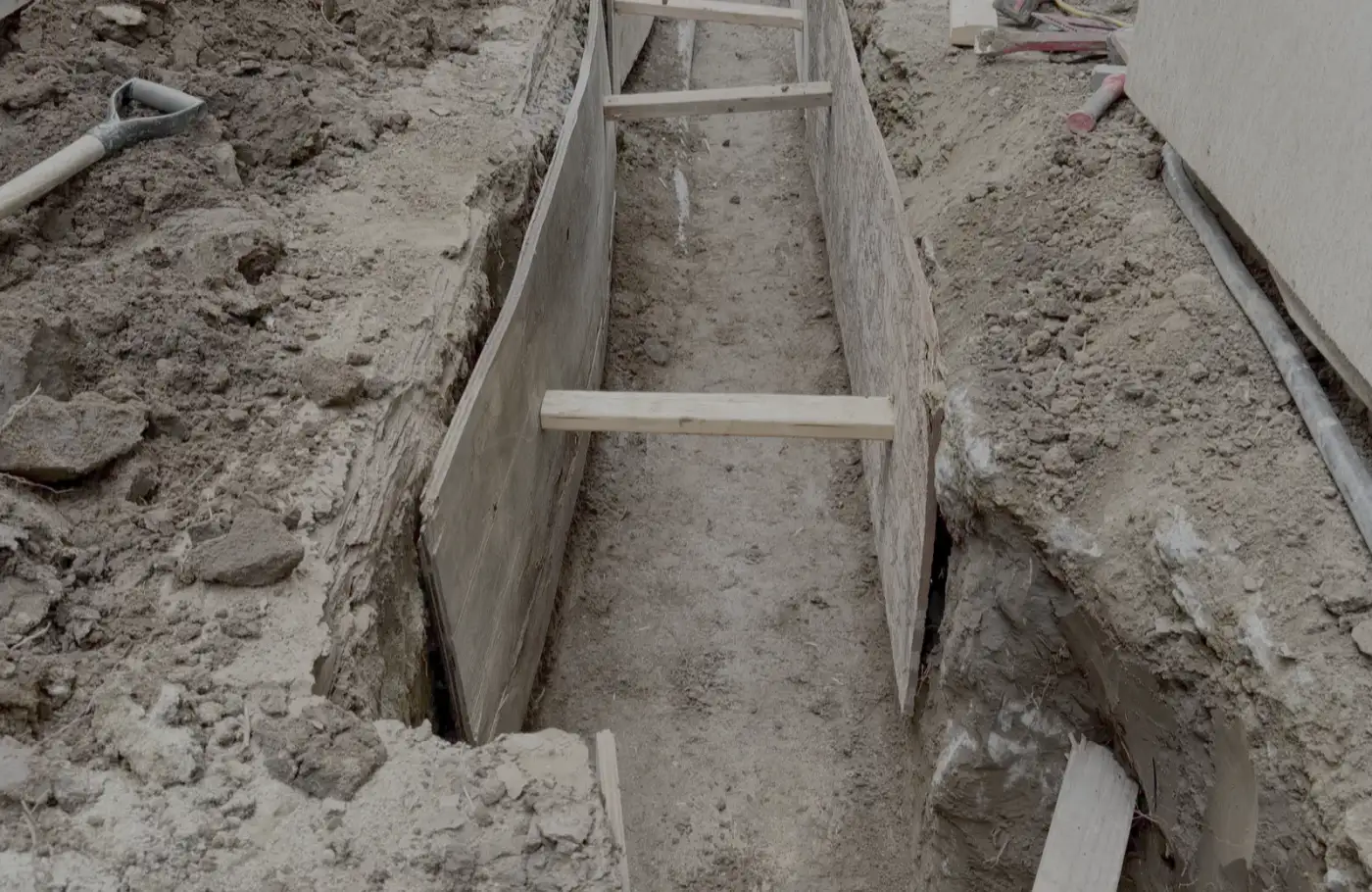
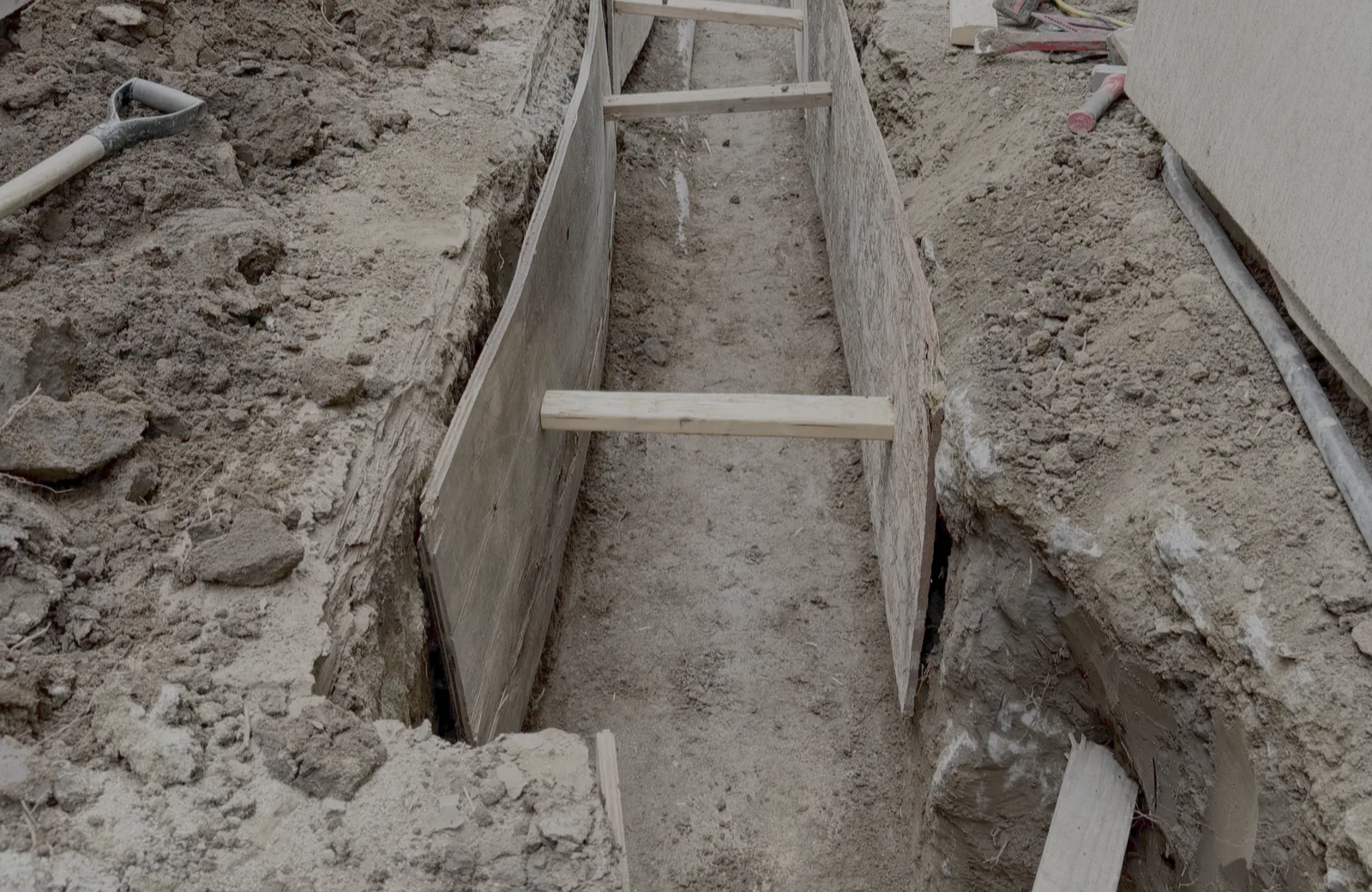
  • Trenches over 5 feet deep require protective systems (e.g., trench boxes, shoring)
  • Access ladders must be available within 25 feet of lateral travel
  • Trenches must be inspected daily by a “competent person”

California-Specific Requirements

Cal/OSHA enforces stricter rules in seismic zones like the Bay Area, where unstable soils and earthquake risk demand extra caution.

Example: In San Francisco and Oakland, trench walls must often be reinforced even for trenches less than 5 feet deep due to slope instability and heavy rainfall.

Soil Type Classification

Soil stability determines what trench protection is required. Bay Area projects often deal with Type C soil (least stable), requiring robust shoring or shielding.

Common Safety Hazards in Bay Area Underground Projects

  • Cave-ins due to soft or waterlogged soils
  • Utility strikes, especially in older neighborhoods with poorly documented lines
  • Traffic control issues when digging near roads
  • Contaminated soil or groundwater (e.g., near industrial sites or old gas stations)
  • Flooding in trenches during heavy rain

Important: Every year, construction workers and homeowners are injured or killed in trench collapses. Always hire professionals with trench safety experience.

Special Considerations for Residential Property Owners

If you’re planning work like a sewer line replacement or drainage trench, here’s what you need to know:

  • DIY is risky: Homeowners often underestimate the complexity of underground work. Trench collapse, permit violations, or damage to shared lines can quickly escalate costs.
  • Insurance coverage: Many homeowner policies exclude coverage for work not done by licensed contractors.
  • Shared laterals & easements: In some cities (like San Francisco or Daly City), sewer laterals are shared between neighboring properties. Improper excavation can create legal liabilities.

Trenchless Technology: A Safer, Smarter Alternative

Trenchless methods like pipe bursting and cured-in-place pipe (CIPP) relining are ideal for many Bay Area properties, especially those with:

  • Limited yard access
  • Concrete, paver, or landscaped surfaces
  • Tree roots and sensitive ecosystems

Benefits:

  • Minimal excavation
  • Reduced risk of utility damage
  • Faster project timelines
  • Often less disruptive and more cost-effective in the long run

Tip: Always verify if trenchless is permitted in your municipality. Some cities require specific testing or inspection afterward (e.g., air pressure testing, video inspection).

How to Vet Underground Construction Contractors

What to Look For:

  • CSLB-licensed contractor with A or C-36 classification
  • Knowledge of local permitting and inspection procedures
  • Proven trench safety training (OSHA 30 or similar)
  • References for past work in your city
  • Liability and workers comp insurance

Questions to Ask:

  • “Are you familiar with our city’s permit process?”
  • “How do you protect workers and property during excavation?”
  • “Do you offer trenchless options?”
  • “Do you manage the permit and inspection process?”

Play It Safe, Play It Smart

Underground construction in the Bay Area is more than just digging—it’s a serious undertaking that involves safety protocols, strict regulations, and expert execution. Whether you’re installing a fire line, replacing a sewer lateral, or trenching for a new water main, working with a licensed, experienced contractor like Total Underground Construction ensures the job is done safely, legally, and with minimal disruption to your property and neighborhood.

Share this article: