Natural gas supplies more than a third of US energy needs, making proper installation critical. This guide examines the primary trenching techniques used for underground gas line projects in the Bay Area.
Trenching Solutions Overview
Two primary methods exist for installing underground gas lines:
- Open-cut trenching
- Trenchless technology
Open-Cut Trenching
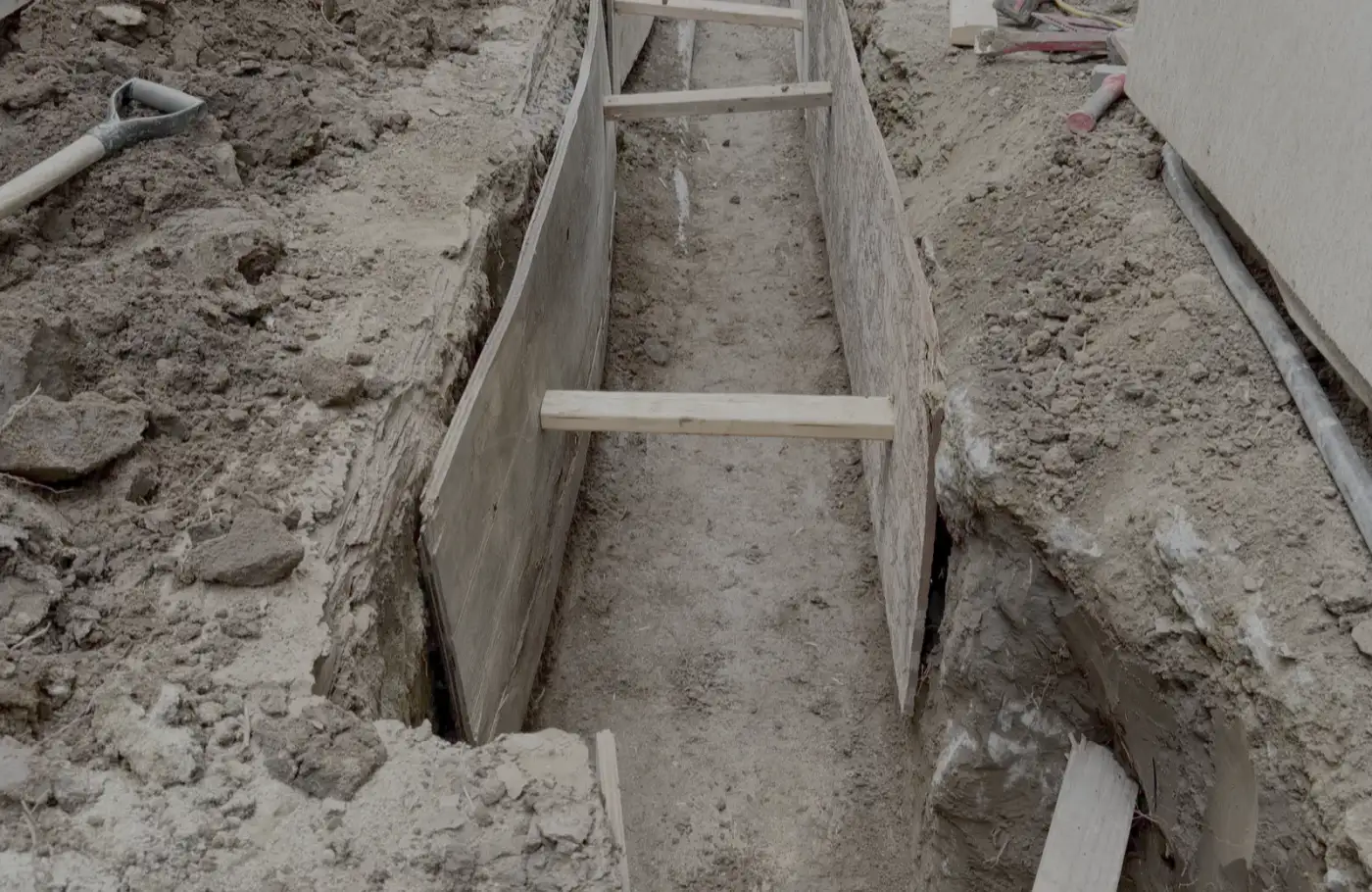
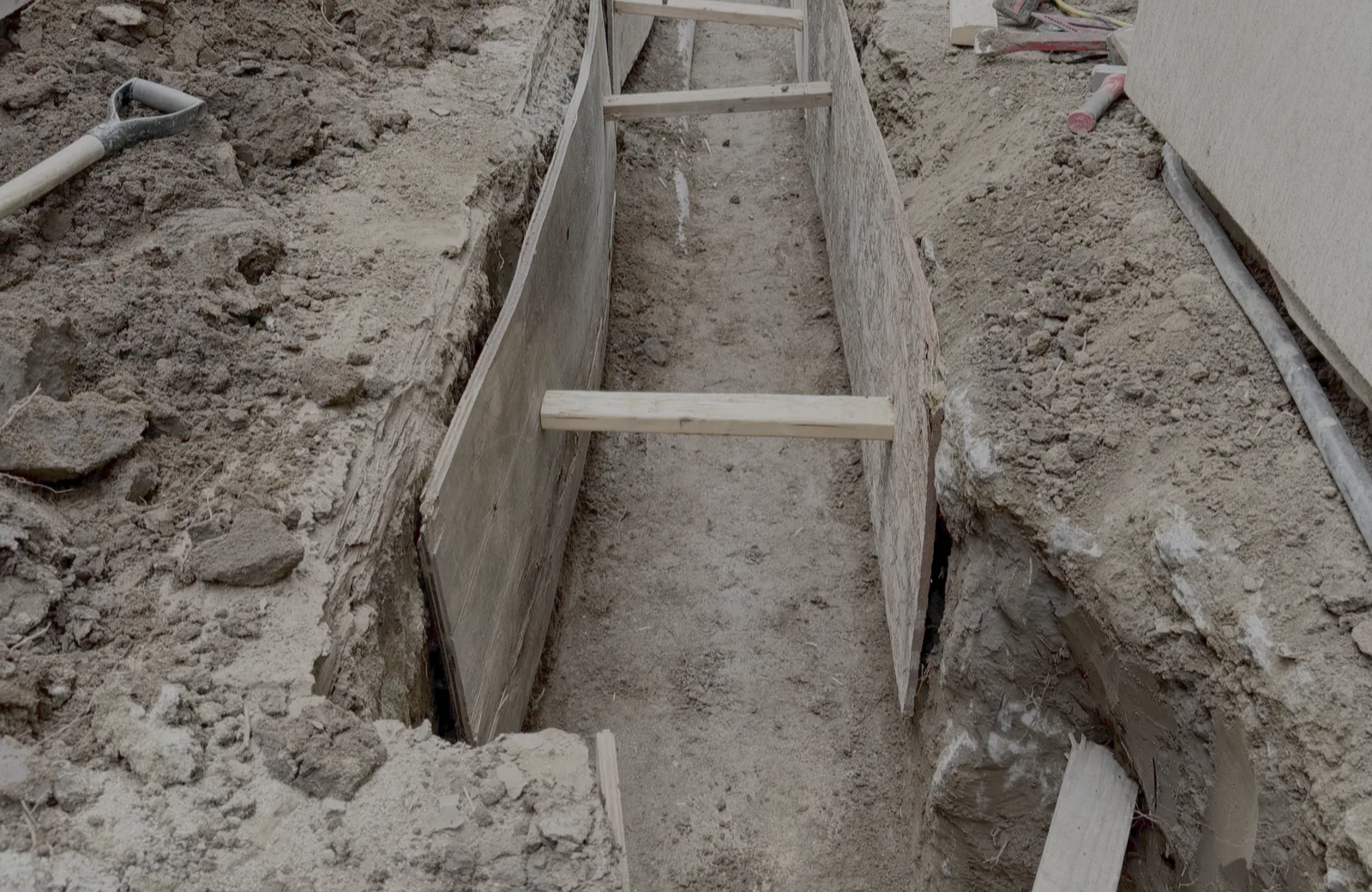
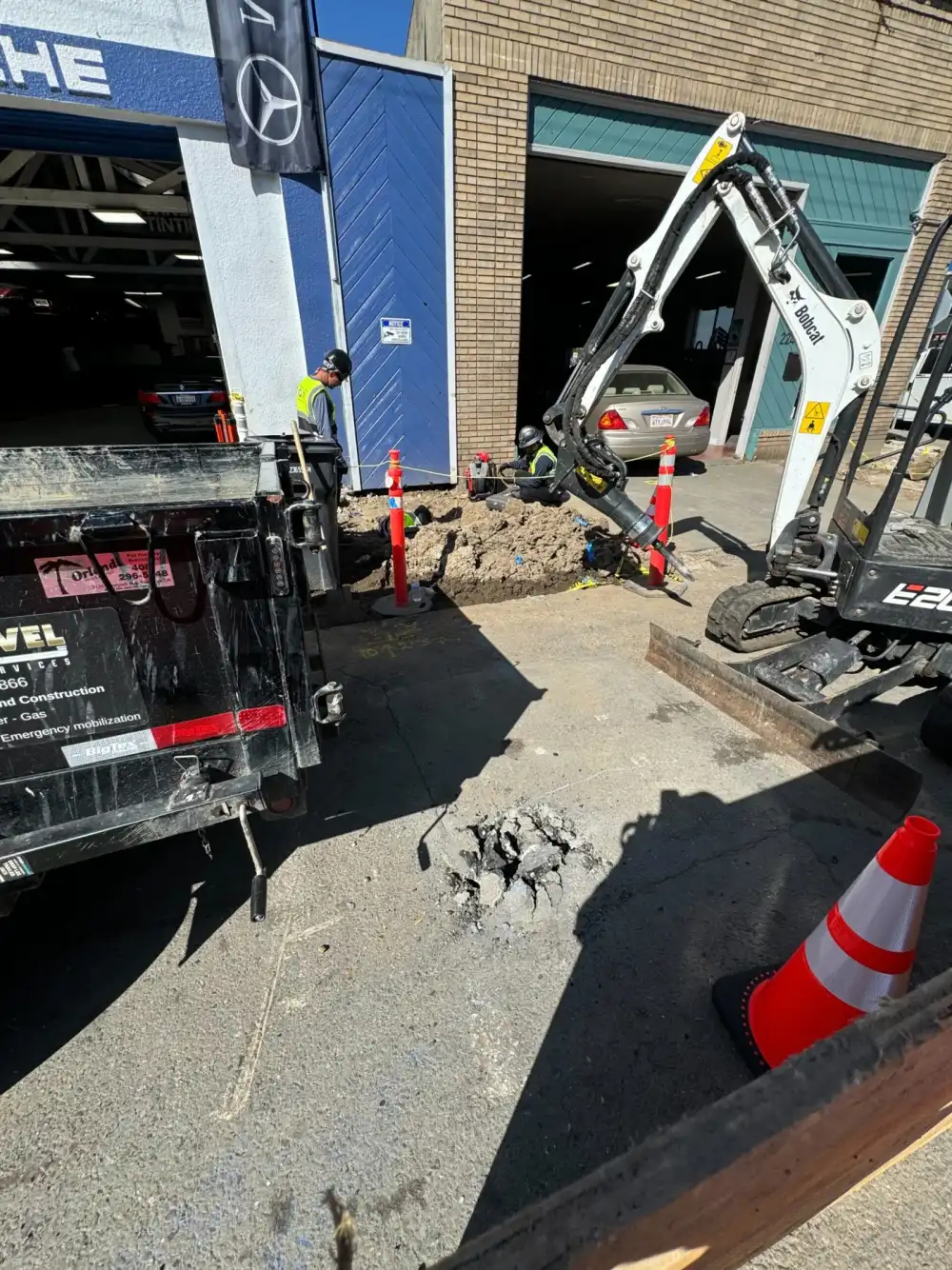
Traditional excavation creates space for new gas lines using excavators, trenchers, backhoes, or skid steers. This method works well for replacing or installing complete gas line systems. On new developments, the gas line usually shares a joint trench with electric and communications, and our joint trench guide covers the PG&E separation rules for that layout.
Key Considerations
Ground Type: Non-paved areas like yards are ideal — no pavement breaking needed.
Project Scale: Large installations benefit from machinery capacity and space for equipment organization.
Trench Depth: Standard requirement is 24–36 inches underground for temperature protection and damage prevention.
Soil Stability: Stable soil prevents cave-ins and shifts; shallow trenches need minimal wall support.
Property Layout: Ample space reduces accident risks and property disruption.
Cost: Open-cut remains affordable due to minimal special requirements.
Advantages
Direct access simplifies pipe laying, welding, and inspection. Future maintenance becomes straightforward. The method requires minimal specialized equipment.
Trenchless Technology
Horizontal Directional Drilling (HDD)
Uses directional drilling machines for underground installation along chosen paths. Ideal for obstacles, hard terrain, and paved spaces. Works with unstable soil and preserves land integrity.
Three-Step Process:
- Pilot Drilling: Small hole drilled with drilling fluid pumped through the pipe to the drill bit
- Pre-Reaming: Pilot hole enlarged using reamers and drilling fluid
- Pipe Pullback: Gas pipe pulled into the completed drill hole
Microtunneling
Suitable for narrow-diameter gas lines. Entry and exit shafts are drilled, then pipes pushed forward using hydraulic jacks. Features high accuracy with laser guidance and minimal surface disruption.
Enhancing Trenching Efficiency
Machinery Selection: Industry-grade trenchers cut soil precisely; excavators offer versatility; backhoes work in confined spaces.
Project Planning: Assess space, soil properties, existing utilities, and adjacent properties. Use hazard signs and markers.
Vacuum Excavators: Safe, environmentally friendly alternative using high-pressure water or air to remove debris.
Communication: Establish effective channels with ground crews to minimize errors and maintain productivity.
Total UC offers professional installation, assessment, and maintenance services for gas lines throughout the Bay Area, ensuring optimal operation and code compliance.