A toilet backup represents every homeowner’s nightmare. Like any plumbing component, toilet drains can malfunction. Emergency repairs help prevent minor issues from becoming expensive problems.
Toilet Backup Culprits and Ways to Correct Them
1. Hygiene Products
Flushing foreign objects increases blockage risk. Avoid flushing wipes, diapers, tissues, tampons, floss, or cotton balls—these absorb water and expand, creating soft blockages.
Fix: Use a flange plunger fitted to the drain, creating a seal and pumping to clear the clog.
2. Cleaning or Chemical Products
Strong cleaning products and paints solidify on drain walls, gradually reducing diameter. This prevents wastewater flow.
Fix: Pour hot water down the drain to melt buildup, or combine baking soda and vinegar for stubborn clogs.
3. Non-Flushable Items
Toys and household items can completely obstruct drains due to their non-porous nature.
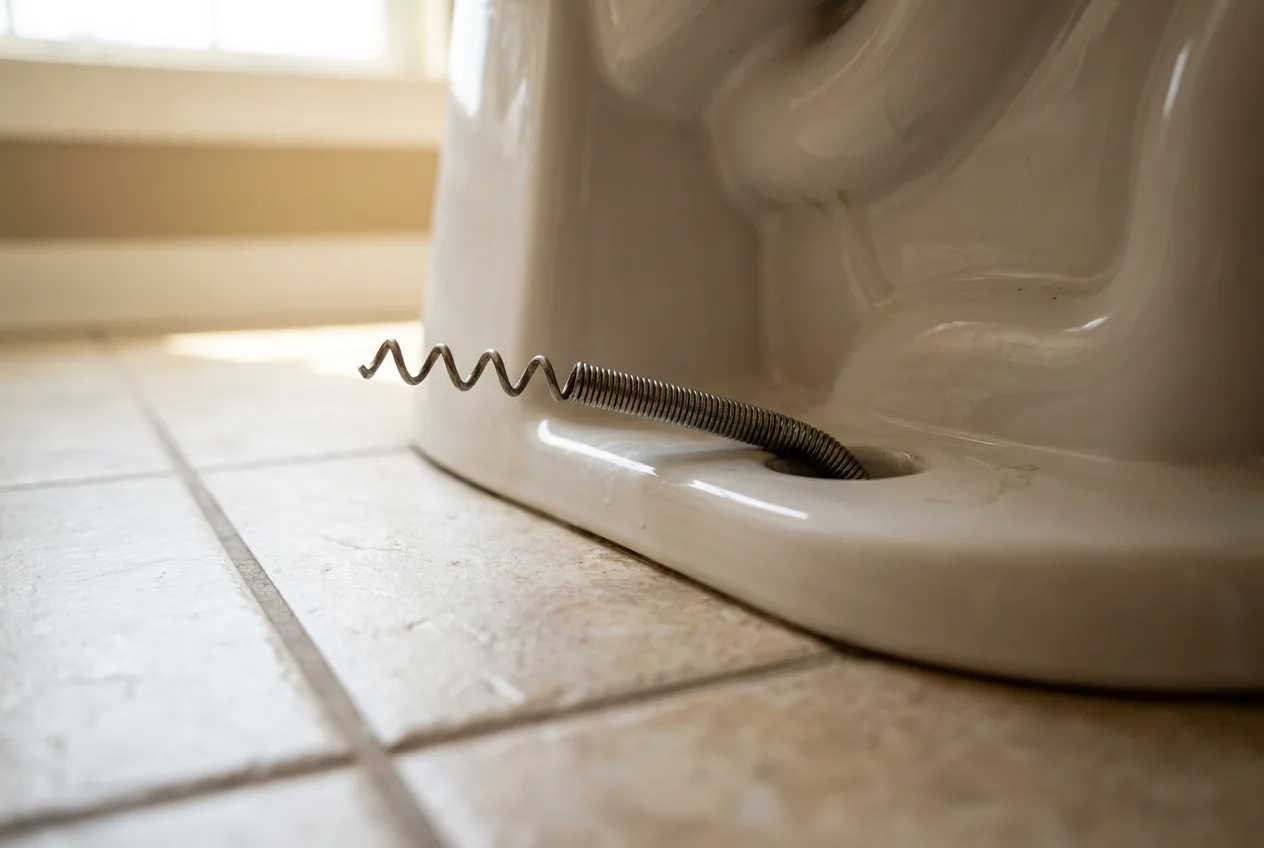
Fix: A plumbing snake can push, turn, or break blockages by advancing toward resistance and rotating the handle.
4. Standard Waste Clogs
Excessive waste volume or tissue paper accumulation causes backups.
Fix: Use a flange plunger to create vacuum pressure, or limit toilet paper usage.
5. Sewer Line Clogs
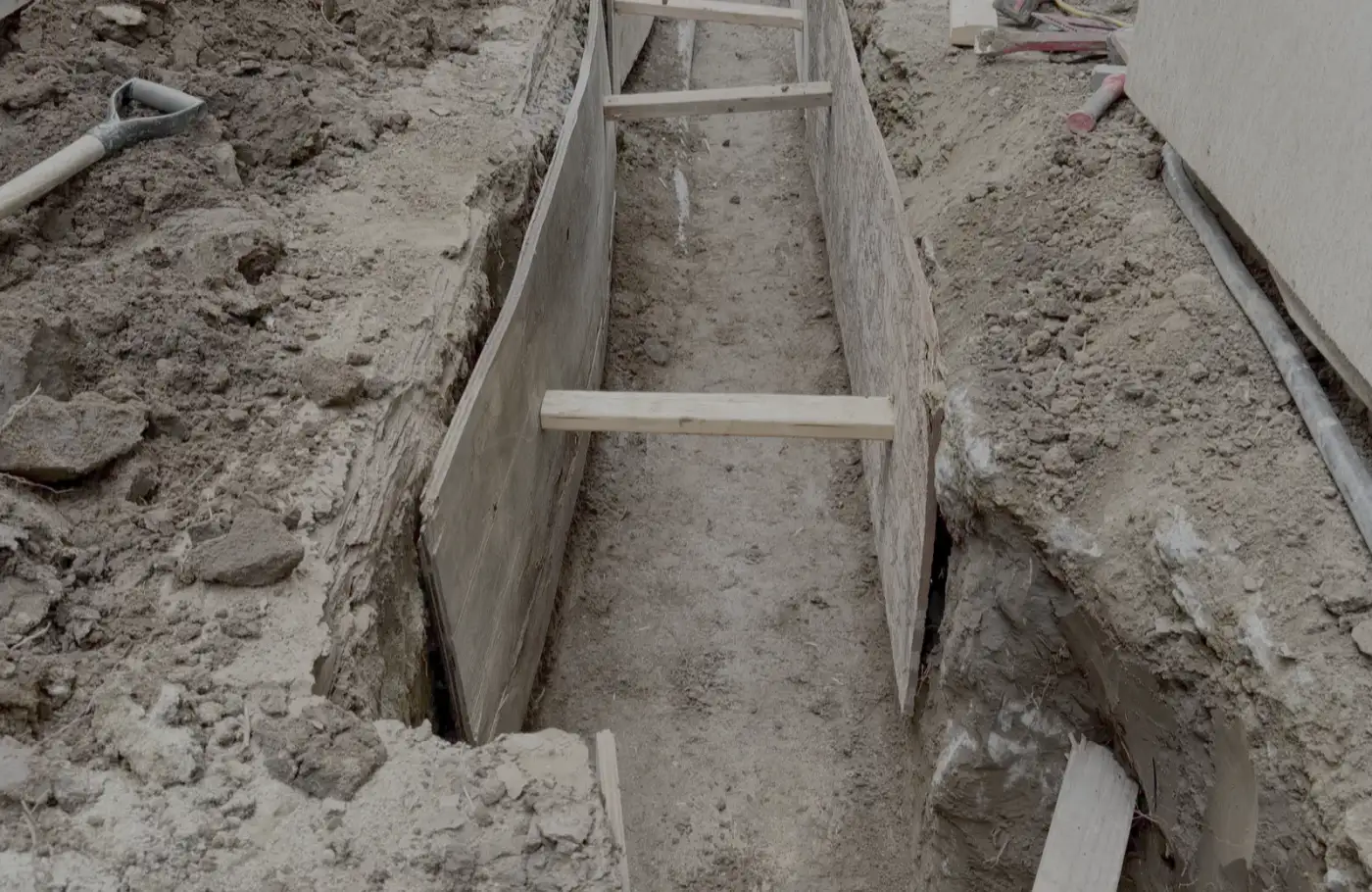
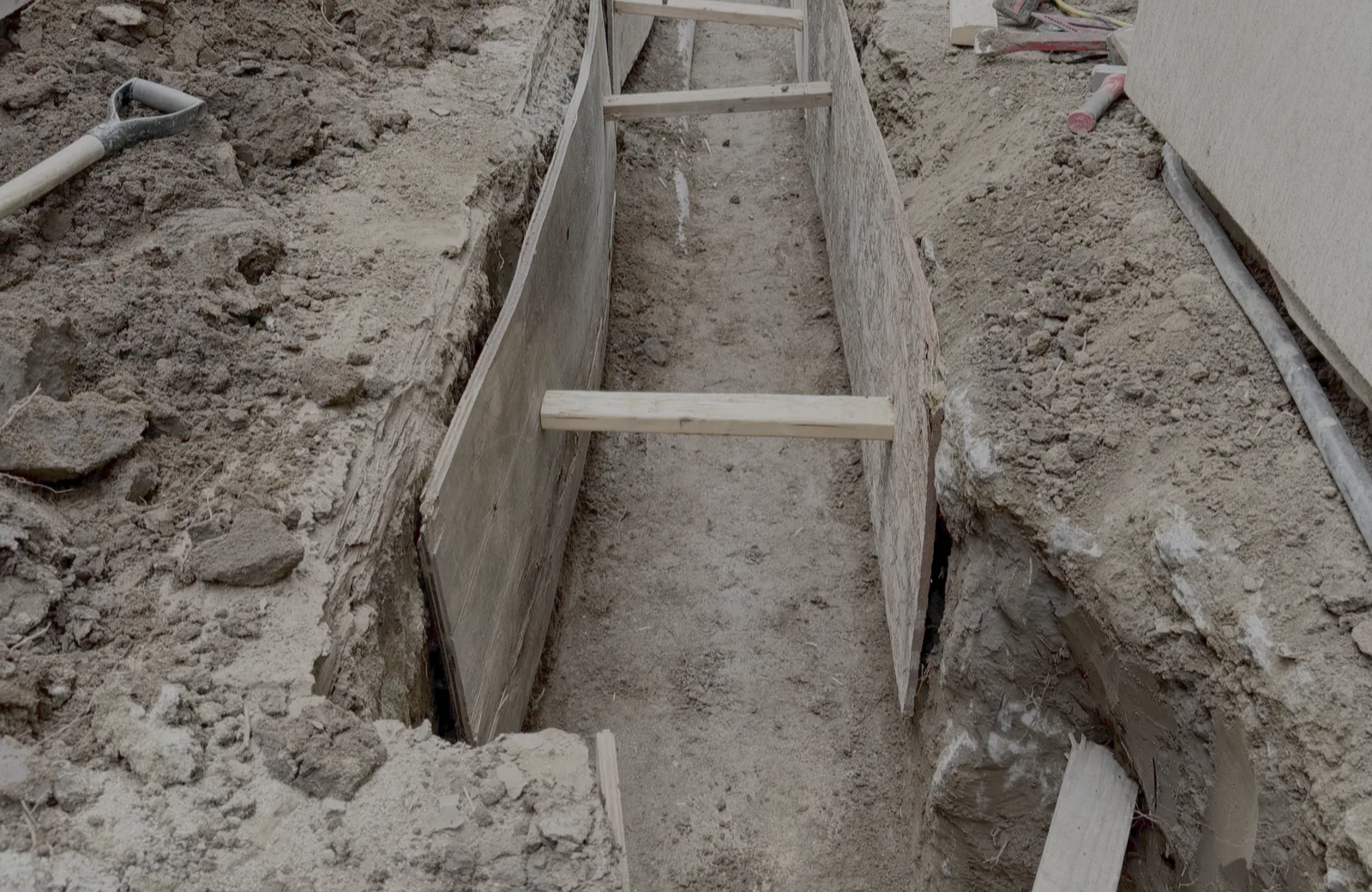
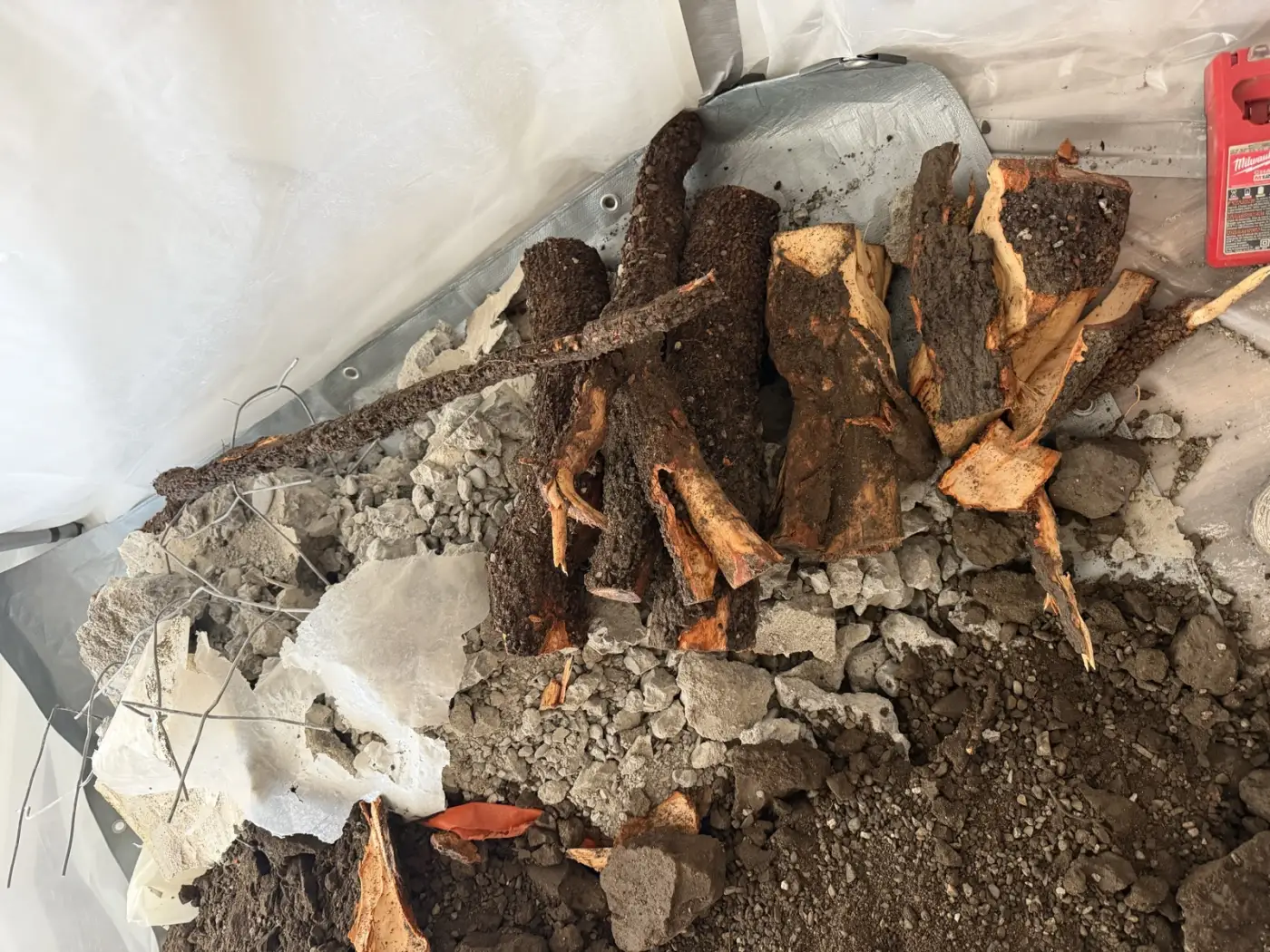
Main sewer line blockages from root intrusion, debris, or breakage affect multiple fixtures simultaneously.
Fix: Hire a certified plumber for professional inspection and trenchless solutions.
6. Blocked Air Vents
Roof vents control wastewater pressure. Debris or leaves block air circulation, preventing proper drainage.
Fix: Regularly clean plumbing vents to maintain air circulation.
7. Older Low-Flow Toilets
Early 1990s federal regulations required water-saving toilets requiring multiple flushes, increasing clog risk.
Fix: Replace older models with current toilet designs featuring improved mechanisms.
8. Toilet Flapper Issues
Broken or misaligned flappers reduce water flow during flushing.
Fix: Adjust the connecting chain or replace worn flappers entirely.
9. Clogged Toilet Trap
The S-trap between drain and bowl gradually accumulates substances.
Fix: Plunge frequently when noticing slow wastewater flow, or contact a plumber.
10. Low Water Levels
Incorrectly positioned floats reduce water entering the tank, weakening flush strength.
Fix: Replace leaking floats or adjust positioning to enable proper rise and water entry.
11. Hard Water
Dissolved minerals coat drains, reducing diameter and creating gradual blockages.
Fix: Install a water filter system on the main water line.
12. Cracked Toilet Bowl
Cracks reduce optimal water levels and increase contamination risk.
Fix: Replace the entire toilet, as porcelain cannot be repaired.
13. Insufficient Water Tank Levels
Damaged supply lines or broken seals prevent full tank filling.
Fix: Replace compromised gaskets, clean mineral buildup in overflow tubes, or replace tubes if necessary.
14. Overloaded Septic Tank
Septic tanks have capacity limits; exceeding thresholds causes backups across all drains.
Fix: Pump the septic tank regularly and schedule maintenance to manage waste levels.
15. Outdated Pipes
Worn, deteriorated sewer lines become vulnerable to root intrusion, debris, and breakage.
Fix: Schedule regular inspections and cleanups using trenchless technologies.
Professional Plumbers to Fix Toilet Backup
While DIY solutions provide temporary relief, certified plumbers offer permanent resolutions using professional expertise and advanced diagnostic equipment.