Running electrical power to outbuildings requires installing underground conduit from the main circuit panel. While DIY installation can save significant costs, understanding National Electrical Code requirements is essential for safety and compliance.
Conduit Depth Options
The appropriate burial depth depends on the wire type being used:
6-Inch Depth
- Use with rigid metal conduit and galvanized EMT
- Requires thick-walled conduit (minimum 3/4 inch)
- Wire must have “W” labeling for wet locations (THWN-2)
12-Inch Depth
- Direct burial method using GFCI-protected Type UF cable
- PVC pipe protection at cable emergence points
- Limited to 120V circuits with 20-amp breakers or less
- Suitable for small projects like lamp posts
18-Inch Depth
- THHN wire with PVC conduit
- Provides flexibility for additional wiring and controls
- Ideal for most outbuilding projects
24-Inch Depth
- Requires direct burial UF cables
- Schedule 80 PVC protection at emergence points
- Less common due to difficulty adding future wires
Installation Steps
Step 1: Pathway Planning
Call 811 to mark utility lines. Verify local permit requirements before beginning work.
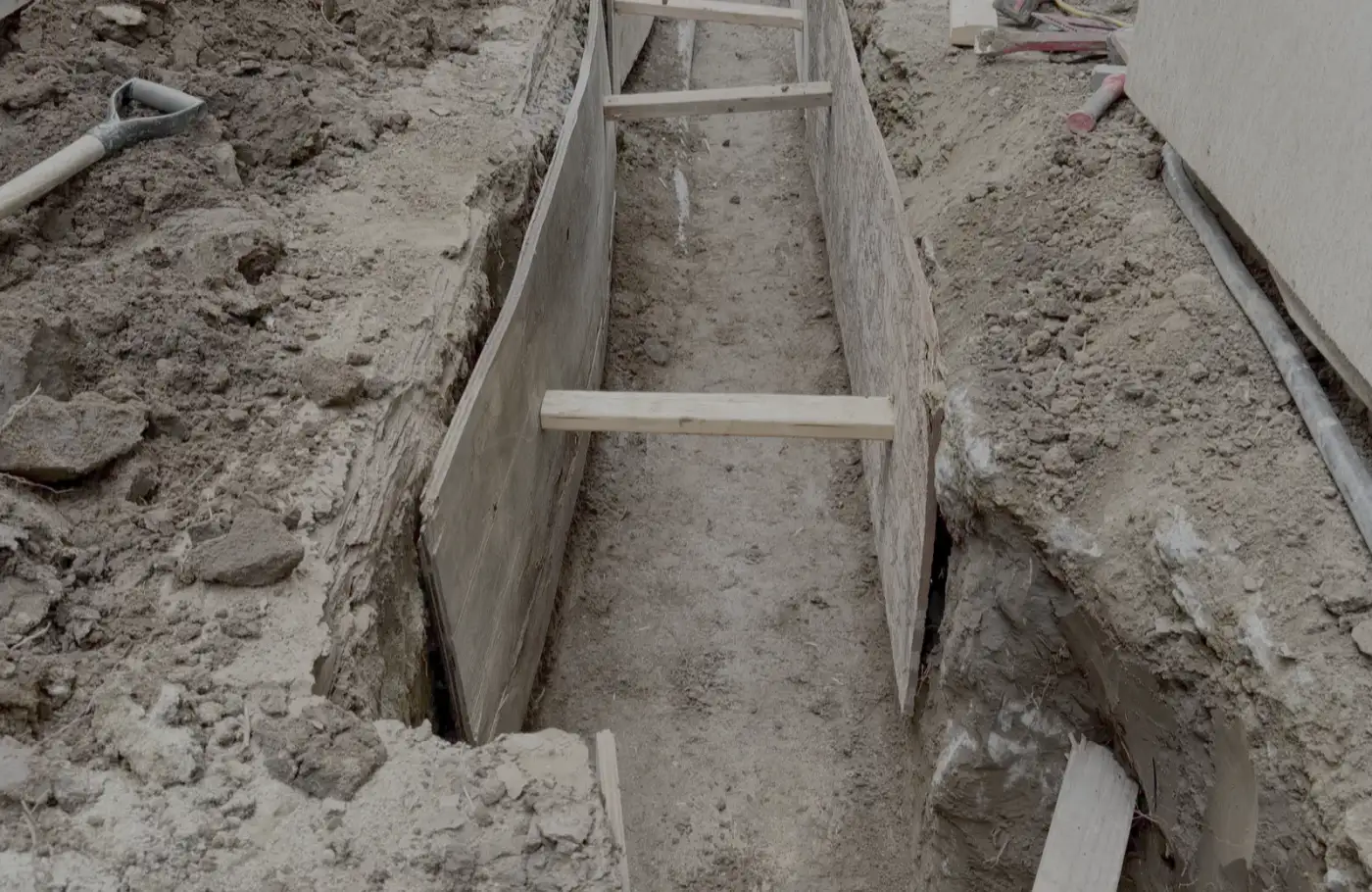
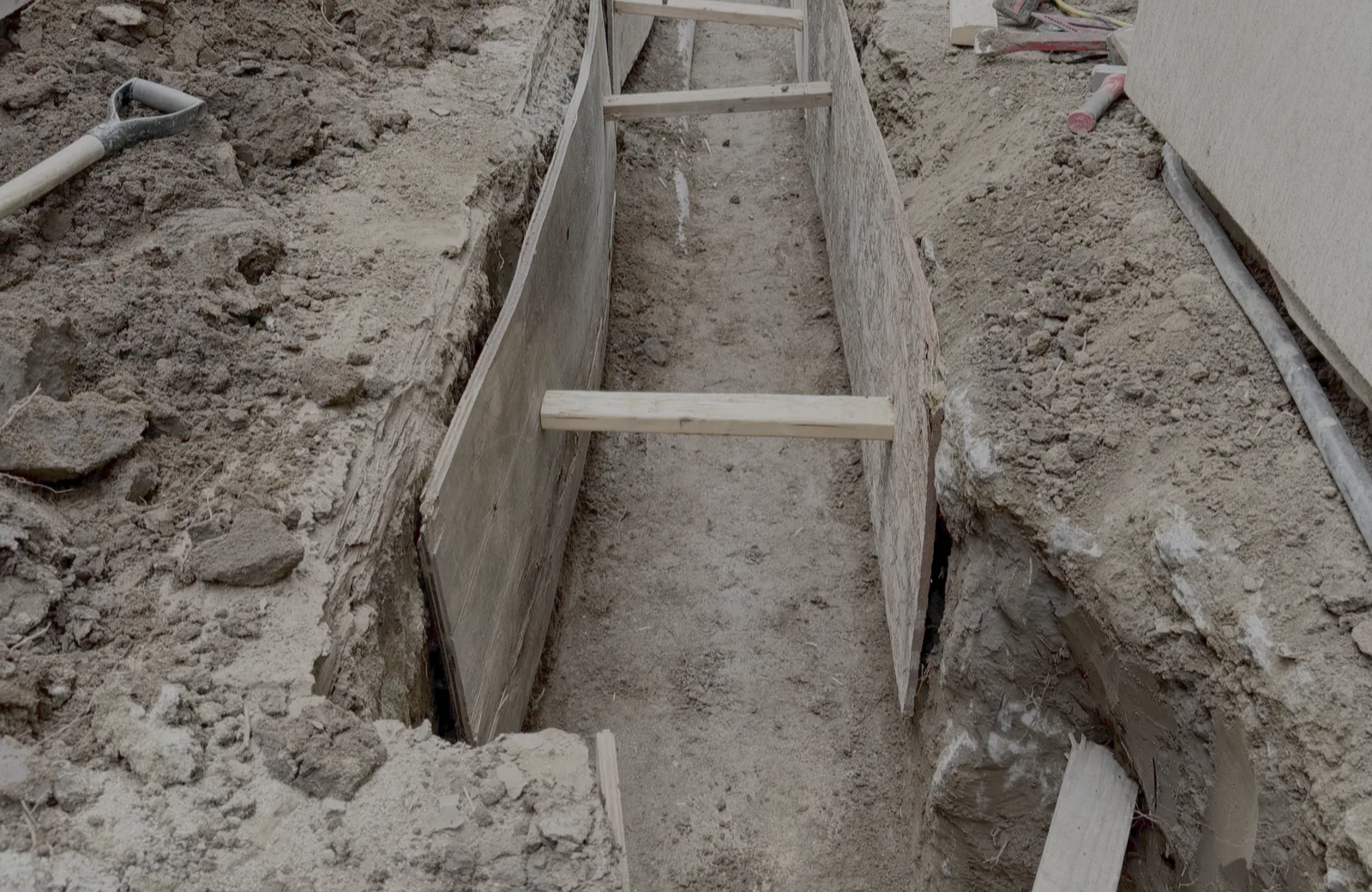
Step 2: Trenching and Cross Boring
Rent trenching equipment for long distances. Use hand shovels near existing utilities to avoid damage.
Step 3: Cutting Ingress/Egress Holes
Use wet-cutting concrete saws to create entry and exit points along marked lines.
Step 4: Laying the Conduit
Position conduit in trench before gluing. Use PVC cement and bell-end adapters for smooth connections. Apply sweep fittings for directional transitions.
Step 5: Feeding the Wire
For short distances without bends, push wire directly. Use fish tape for longer runs, applying lubricant as needed. Leave excess cable on both ends for easier connections.
Step 6: Final Inspection
Schedule inspector approval before burying conduit to ensure code compliance.
Required Tools and Materials
Tools: Reciprocating saw, hammer, tape measure, shovel, wet-cutting concrete saw
Materials: Conduit pipes, clips, adhesive, caulk, adapters, PVC cement
Most people prefer hiring experts for this type of work due to electrocution risks from main service panels. Contact Total UC for professional underground conduit installation in the Bay Area.